
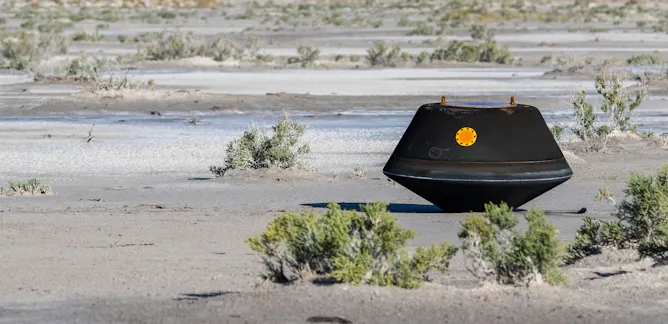
Missions that return asteroid samples bring home more than just very expensive dust. These samples can provide valuable insights for scientists and commercial interests.
Natural History Museum

The Natural History Museum first opened its doors on 18 April 1881. It is a world-class visitor attraction and leading science research centre.
We use our unique collections and unrivalled expertise to tackle the biggest challenges facing the world today.
We care for more than 80 million specimens spanning billions of years and welcome more than five million visitors annually.
Links
Articles
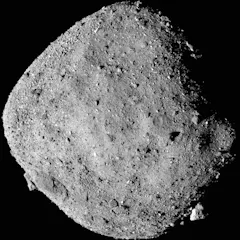
New findings reveal that a NASA mission traveled to an asteroid that may have once been covered in salty lakes containing organic molecules.
Musankwa is only the fourth dinosaur to be named from Zimbabwe.
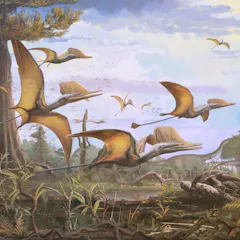
The Isle of Skye has a rich palaeontological heritage, so perhaps it’s no surprise scientists made an important discovery there.
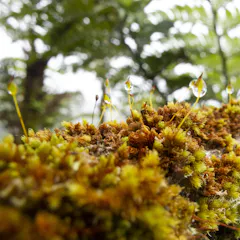
Take a moment to consider the natural beauty of mosses – and their history as some of the most intrepid explorers in Earth’s history.

L’endothermie a probablement été l’une des clés du succès évolutif des mammifères et des oiseaux. Il est donc crucial de dater son origine.
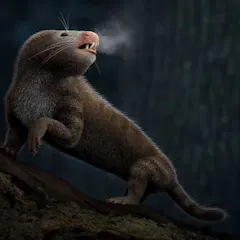
Berdarah panas adalah kunci dari apa yang membuat mamalia seperti sekarang ini. Itu sebabnya berolahraga ketika muncul pada nenek moyang mamalia penting.

Warm-bloodedness is the key to what makes mammals what they are today. That’s why working out when it emerged in mammal ancestors matters.

New research on the Crystal Palace dinosaurs is uncovering truths about these famous Victorian sculptures
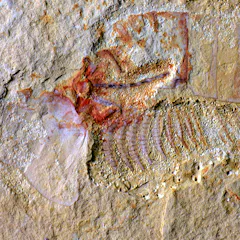
Researchers have found a new way by which the brains of ancient animals can be preserved.
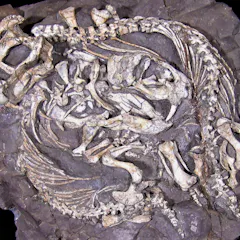
These new finds indicate that Diictodon was burrowing and giving some parental care to its young. This was long thought to be unique to mammals.
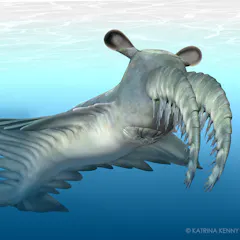
Our study on weird ancient marine animals called radiodonts supports the idea that vision played a crucial role during the Cambrian Explosion, a rapid burst of evolution about 500 million years ago.
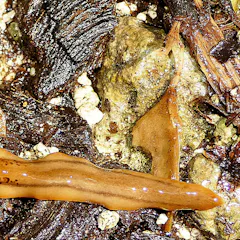
Several species of flatworms have invaded the West Indies, and some are spectacular. We take stock of the situation with a study published at the same time as this article.
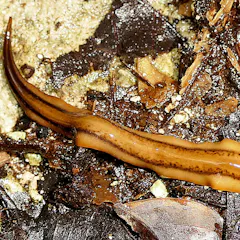
Plusieurs espèces de vers plats ont envahi les Antilles, dont certaines très spectaculaires. Nous faisons le point avec une étude publiée en même temps que cet article.
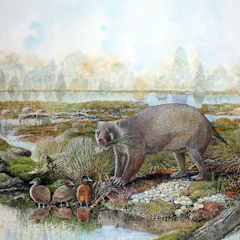
The extinct Mukupirna - which translates to ‘big bones’ - is estimated to have been more than four times larger than any living wombat.
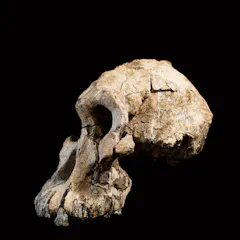
Hominin Lucy bisa jadi bukan nenek moyang langsung manusia.

El homínido conocido como Lucy puede no ser el antepasado directo de los humanos.
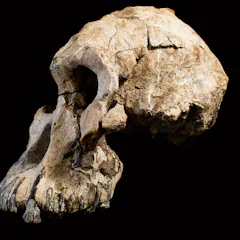
The hominin known as Lucy may not be the direct ancestor of humans.
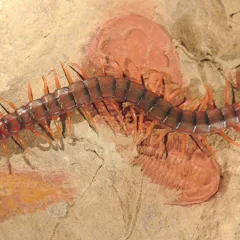
Modern animals took over our planet much more quickly than previously thought. This has both welcome and disturbing implications for the future of life on our rapidly changing planet

The loss of the Siberian unicorn shows just how vulnerable some animals can be to environmental change that can impact on their food supply.
Authors
-

Research Leader, Natural History Museum
-
Scientific Associate, Natural History Museum
-
Merit Researcher, Natural History Museum
-
PhD Candidate of Anthropology, Natural History Museum
-
Chercheur, Natural History Museum
-
Postdoctoral research associate, Natural History Museum
-
Individual Merit Researcher, Natural History Museum
-
Senior Curator, Natural History Museum
-
Postdoctoral Researcher, Natural History Museum
-
Scientific Associate, Department of Life Sciences, Natural History Museum
-
Professor of Planetary Sciences, Natural History Museum
-
Senior Researcher Lead in Life Sciences, Natural History Museum
-
Wellcome Post-Doctoral Research Associate, Natural History Museum
-
Researcher and Head of Division in Earth Sciences, Natural History Museum