
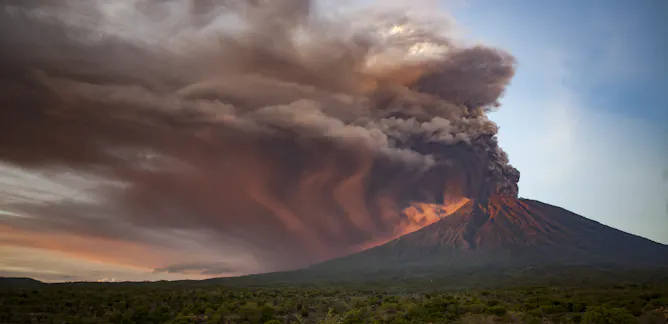
Dari berita menakutkan hingga unggahan ulang video erupsi, riset terbaru mengungkap bagaimana kesalahpahaman umum dapat memicu penyebaran misinformasi tentang gunung api.
Museums Victoria Research Institute

Museums Victoria Research Institute is responsible for the state’s scientific and cultural collections, providing public access through three museums.
We also oversee a wide range of research programs, the continued development of the state’s collections, and run major education and research based websites.
We are the largest public museums organisation in Australia.
Links
Articles
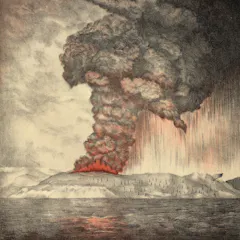
It’s hard to overstate just how big the 1883 eruptions were, and the catastrophic and often strange impacts that followed. For starters, the Moon went blue.

From scary headlines to recycled eruption videos, new research reveals how common misconceptions can fuel misinformation about volcanoes.
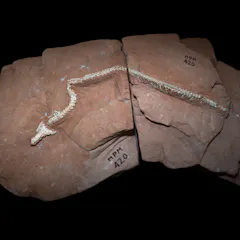
Snakes lost their limbs millions of years ago to become undulating, scaly tubes of muscles. Scientists are finally figuring out why.
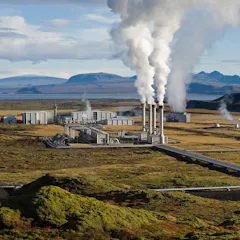
Geothermal power used to be limited to volcanic areas. But advances in exploration and drilling technology mean huge new areas can be tapped.

More than a hundred years after it was found in Foul Air Cave in Victoria, the fossil is granting us new insights into deep time.
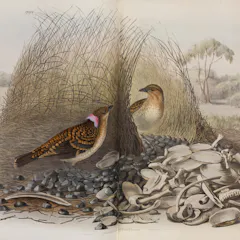
An expert taxidermist, she was the first professional female employee at any Australian museum – and was paid as much as the men.
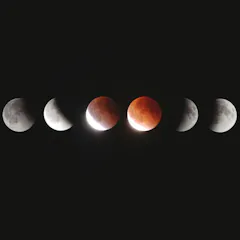
Australia and Aotearoa New Zealand are in a prime position to catch this total eclipse of the Moon; find the timing in our interactive map.
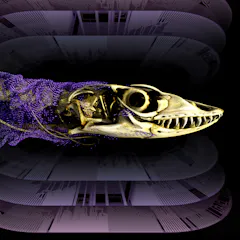
Reptile armour has a wild backstory.
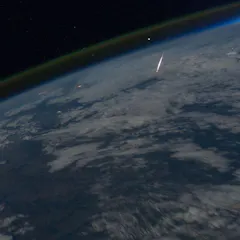
Hundreds of meteorites fall to Earth each year. If you’re lucky enough to find one, here’s what to do.

Isolating the impacts of climate change is hard. But a new study shows how ancient fossils can help.
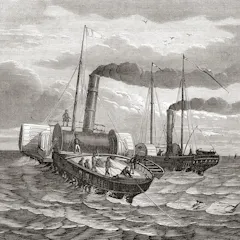
The telegraph was hailed for its revolutionary ability to span distance. Now AI is being hailed as a great leap forward. But both came with environmental costs.
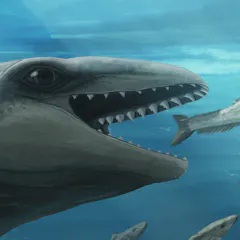
If alive today, these tiny whales would be as iconically Australian as kangaroos.
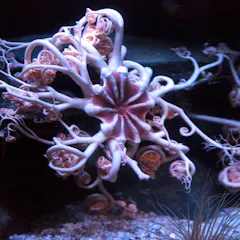
Deep-sea creatures from Iceland to Tasmania are more closely related than anybody realised.
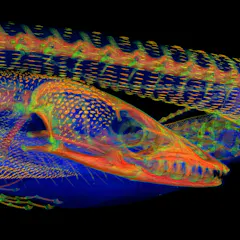
Australian goannas adapted remarkably well to harsh climates. Scientists looking for hidden bone structures in lizards may be a step closer to learning why.
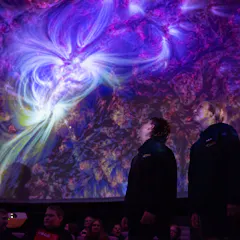
As the night sky became polluted with light from electrified cities, people built planetariums. Today, they’re more impressive than ever.
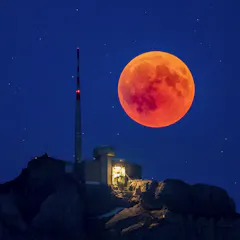
A full moon, low on the horizon, tinted red – it’s a sight not to be missed.
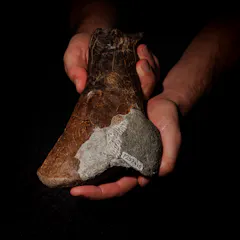
Some of the new finds are the first evidence of these types of dinosaurs from Australia.

Try to read this article without yawning.
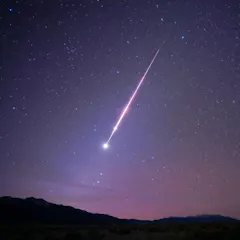
On July 31, Earth will pass through two debris streams that will produce meteor showers. Here’s where to look in the night sky in Australia and New Zealand.
Authors
-

Head of Sciences, Museums Victoria Research Institute
-
Senior Curator, Vertebrate Palaeontology, Museums Victoria Research Institute
-
Senior Curator of Geosciences, Museums Victoria Research Institute; Monash University
-
PhD Candidate, Museums Victoria Research Institute; Monash University
-
Senior Curator, Terrestrial Vertebrates, Museums Victoria Research Institute
-
Research Associate, Museums Victoria, Museums Victoria Research Institute
-
Senior Curator of Human Biology and Medicine, Museums Victoria Research Institute
-
Collection Manager, Geosciences, Museums Victoria Research Institute
-
Research Officer Herpetology, Museums Victoria Research Institute
-
Honorary Research Fellow, Museums Victoria Research Institute
-
Senior Curator of Geology, Museums Victoria Research Institute
-
Senior Curator (Astronomy), Museums Victoria Research Institute; The University of Melbourne
-
Research Associate, Sciences Department, Museums Victoria Research Institute
-
Senior Curator of Marine Invertebrates, Museums Victoria Research Institute
-
Collection Manager, Vertebrate Palaeontology, Museums Victoria Research Institute