
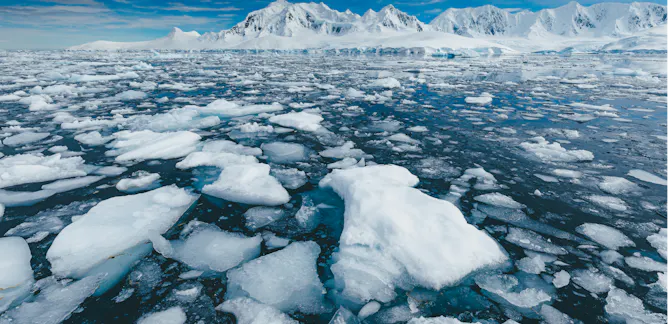
This remarkable seasonal change in Antarctic sea ice is like a heartbeat within our planet’s climate system. We need to better understand it.
Australian Bureau of Meteorology

The Bureau of Meteorology is Australia’s national weather, climate and water agency. Its expertise and services assist Australians in dealing with the harsh realities of their natural environment, including drought, floods, fires, storms, tsunami and tropical cyclones. Through regular forecasts, warnings, monitoring and advice spanning the Australian region and Antarctic territory, the Bureau provides one of the most fundamental and widely used services of government.
Links
Articles
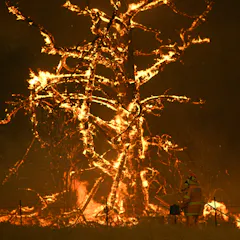
Forest fires in Australia are burning more land across more of the year than ever before, as climate-linked fire weather worsens.
While land tornadoes are associated with huge supercell thunderstorms, waterspouts can form during smaller storms or even just showers or the presence of the right kind of clouds.
Yes, some of this is normal seasonal transition. But at least a portion of it is due to a particularly vigorous cold front that swept across southeast Australia over the weekend.

A changing climate means parts of Australia will get hotter, some drier, others wetter and we can expect more extreme fire days.
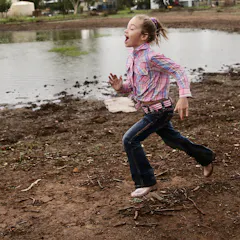
Downpours in eastern Australia this year have been good for crops and some dams. But when it comes to drought, Australia is not out of the woods yet.

Foton mengalir dari matahari dan berinteraksi dengan semua materi di Bumi. Tergantung cahaya jatuh dimana, beberapa foton akan diserap dan beberapa akan terpantul.

Concentrations of carbon dioxide are now 147% above pre-industrial levels, according to a definitive report by the World Meteorological Organisation released today.

Autumn may bring wetter-than-average conditions in parts of southern Australia, indicating a gradual easing of the drought in some areas.

Some parts of Australia have enjoyed excellent rainfall this year, but others have not. Drought relief is still slow and patchy.
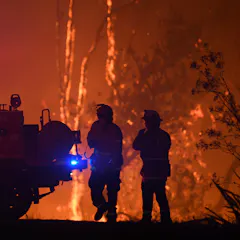
The Bureau of Meterology says persistent drought and record temperatures were a major driver of Australia’s fire activity, and the context for 2019 lies in the past three years of drought.

Australia is heading into a scorching summer, but the factors causing the hot and dry weather are expected to ease later in the season.
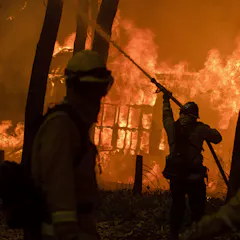
Extreme fire risk will overlap with weather patterns to create fire tornadoes more often under climate change.
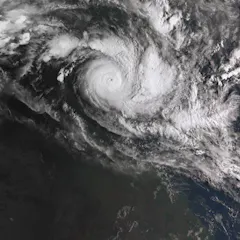
Southern and eastern Australia need to prepare for heatwaves and increased fire risk this summer, as forecasts predict hot, dry weather.
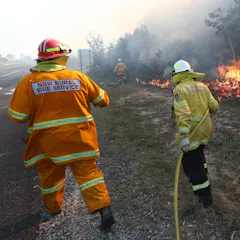
Bureau of Meteorology researchers painstakingly analysed more than 40 years of data to work out exactly what is causing Australia’s spring bushfire phenomenon.
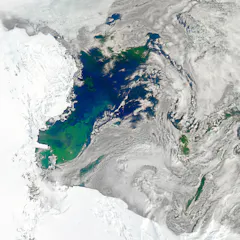
Each spring, winds circling the South Pole weaken. If they weaken enough, they can actually reverse – causing rapid warming.
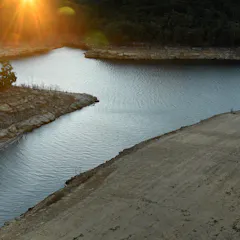
Dry and warm conditions in winter are set to continue into spring, and the likely culprit is the positive Indian Ocean Dipole
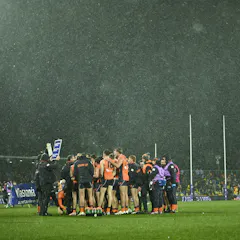
Cold fronts swept south-eastern Australia, bringing snow and freezing temperatures. While snow is expected to decrease with climate change, cold snaps are likely to keep coming.

In 1887 Queensland’s chief weatherman Clement Wragge began naming tropical cyclones, using names from the Greek alphabet, fabulous beasts and politicians who annoyed him.
Carbon dioxide levels in the atmosphere are at 414 parts per million. But thanks to a recalculation of methane’s warming power, the total amount of greenhouse gases is now equivalent to more than 500.
Authors
-

Climate scientist, Australian Bureau of Meteorology
-
Senior Climatologist, Australian Bureau of Meteorology
-
Head of Water Investigations, Australian Bureau of Meteorology
-
Climate Scientist, Australian Bureau of Meteorology
-
Senior meteorologist, Australian Bureau of Meteorology
-
Climatologist, Australian Bureau of Meteorology
-
Climate Scientist, Australian Bureau of Meteorology
-
Climate Scientist, Australian Bureau of Meteorology
-
Senior Climatologist, Australian Bureau of Meteorology
-
Manager Water Sector Engagement, Australian Bureau of Meteorology
-
BOM, Australian Bureau of Meteorology
-
Scientist, Australian Bureau of Meteorology
-
Senior Meteorologist, Australian Bureau of Meteorology
-
Team Leader, Australian Bureau of Meteorology
-
Climatologist, Australian Bureau of Meteorology