
Technology and globalisation help diversify the channels for the smong narrative but also risk eroding this local wisdom – if we do not try to preserve it.
In English – Artikel, Analisis, Komentar
Menampilkan 51 - 75 dari 641 artikel
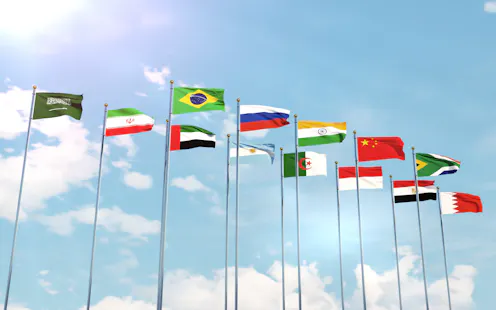
While Indonesia already has strong ties with China, Brazil, and other BRICS members, joining BRICS can amplify Indonesia’s influence and unlocking opportunities that go beyond one-on-one partnerships.

Two decades of post-disaster and conflict learning should be enough to remind us of the importance of meaningful access and participation for Acehnese women. The facts are yet to reflect this.
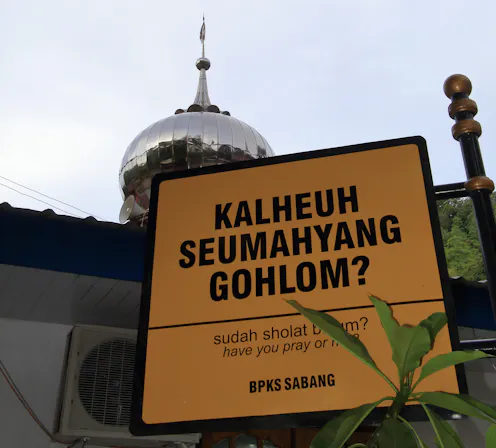
The enactment of the Aceh Language Qanun raises an important question: Does language play a role in building peace in post-conflict areas?
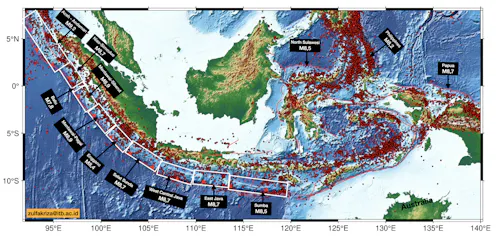
The 2004 Aceh Earthquake and Tsunami was one of the biggest natural disasters in history. This tragedy provided important lessons for improving disaster risk mitigation.
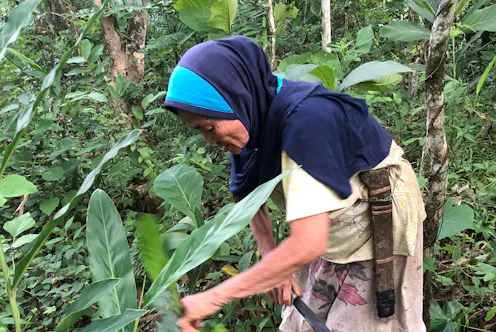
Targeted policies are vital to amplify women’s voices in social forestry, ensuring fair decisions and equitable benefits.

What is paper mill and how does it work?

Overlooked and vulnerable, it is in Indonesia’s interest to protect the rights of foreign professionals to sustain economic growth and maintain its global reputation.

Indonesia could show global leadership by protecting more of the country’s rapidly disappearing, carbon-rich mangroves and seagrass meadows.

ASEAN’s tech-focused plan extends coal plant lifespans, delaying cleaner energy adoption and increasing environmental risks.

While they can travel vast distances, our research revealed reef manta rays in Raja Ampat live mostly within a relatively small underwater ‘town’ – which urgently needs better protection.

How can we better support breastfeeding mothers, particularly after they return to work? These are some of the policies and practical changes that evidence shows would make a difference.

The recent surge of plant-based food consumers in Europe, particularly the Netherlands, can be a promosing further Indonesia’s gastrodiplomacy strategy of Indonesia Spice Up the World (ISUTW).
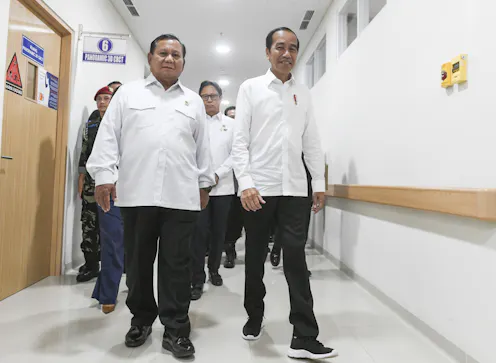
Soeharto’s oligarchy, not Prabowo, is subverting Indonesia’s democracy
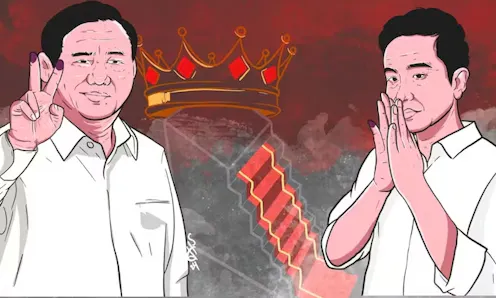
Prabowo Subianto and Gibran Rakabuming Raka look set to win the presidential election. What are the crucial issues to watch, based on their campaign promises?

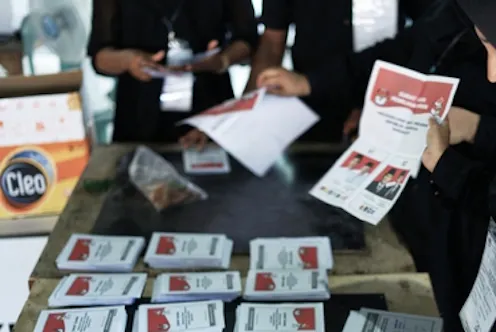
Based on quick counts, Prabowo Subianto and his pair Gibran Rakabuming Raka won the majority of votes at almost 60%
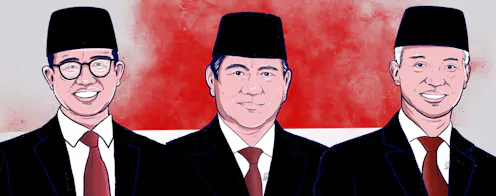
On February 14, Indonesia’s 204 million eligible voters face a challenge in voting for the candidate with the clearest position on human rights issues.
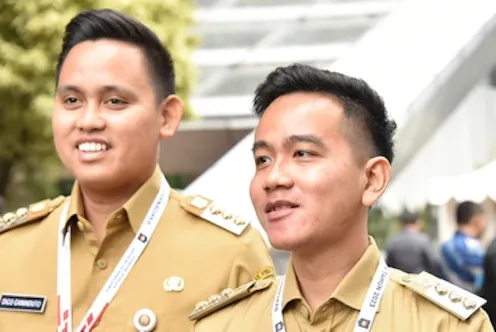
The public approval of political dynasties, especially among Muslims, is fuelled by Muslim preachers and their beliefs around what constitutes a good leader.

Our recent study shows that the creation of local smoke-free areas has faced numerous challenges due to the complexities involved in translating national laws into local laws.
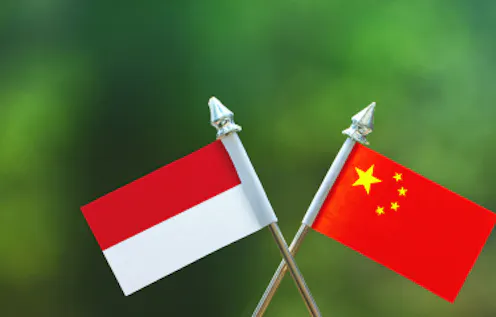
Indonesia’s stance towards China is poised to remain steady, albeit with nuanced variations depending on the victor.
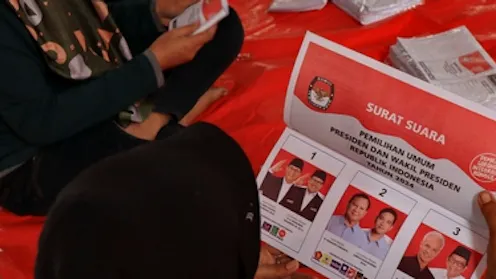
Pollsters are pointing to a Prabowo Subianto-Gibran Rakabuming victory in round one, but it remains to be seen whether they have enough votes to avoid a second round.
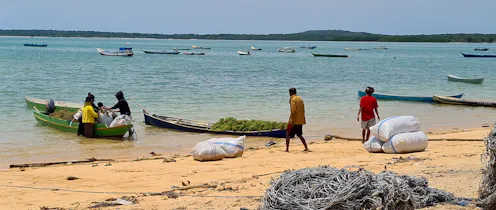
Instead of supporting Indonesia’s seaweed industry, an export ban could lower prices and reduce supply, without helping domestic processors to compete with foreign-owned companies.
The three presidential candidates share a similar approach to Indonesia’s foreign relations, but there are key differences.
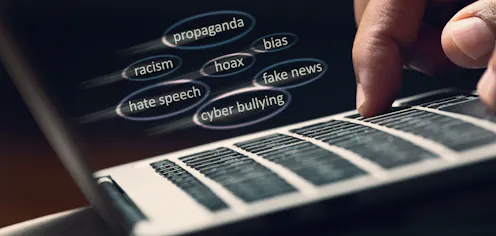
My research found at least 60 instances of hate speech in a two-month span last year targeting presidential hopefuls.

How should Southeast Asian countries manage algorithmic biases that often unfairly affect minority ethnic groups and women?