

An influx of cash would help stabilize rural health systems, but the program’s focus on technology may leave other major issues unaddressed.
Articles on Health technology
Displaying all articles

Tracking glucose numbers in real time is an increasingly popular wellness trend, but monitoring a constant stream of data can lead to confusion and needless anxiety.
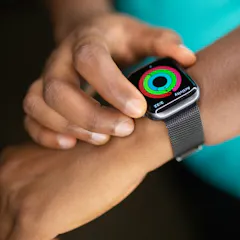
Smartwatches aren’t always as accurate as you might think. In some cases, you’d be better off listening to your body.
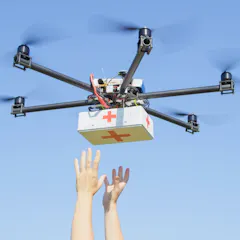
The reality of drone-assisted health care may be closer than we think.
Patients and families need to know how these extraordinary treatments might change how they feel about themselves and the world.

Neuralink’s first human trial is more than just a technical milestone; it represents a major leap in potential human-computer interaction.
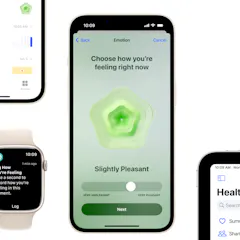
The iPhone already has an accelerometer, gyroscope, light meter, microphone, camera and GPS. Why does Apple now want you to tell it how you’re feeling?

To understand the potential for machine learning to transform medicine, we must go back to the controversial origins of data use in healthcare
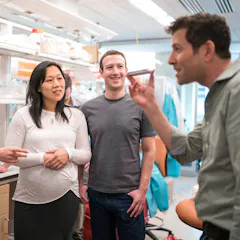
Pioneered by the Human Cell Atlas consortium, our understanding of the human body is about to be transformed – and with it, the way we treat and prevent disease

Sensors that measure sweat could be coming to the market soon, but for them to be useful, we’ll need to understand more about this fluid that our body produces.
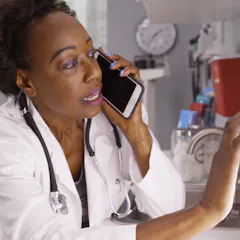
Failure to identify, understand and address the implications of unintended consequences inhibits the delivery of quality healthcare.
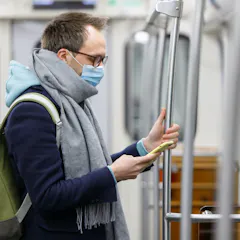
Research indicates people would be willing to give up privacy to tackle the COVID-19 pandemic.
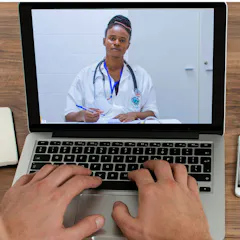
Telemedicine has grown sluggishly in Canada, but COVID-19 has sped up the pace of adoption of online technology to deliver health care.

Mobile health apps, teleconferencing with experts and thoughtfully designed educational platforms can all help families during the chaotic and confusing early years.

Many Deaf people worldwide face inequalities when it comes to accessing health services and information. Our study of Deaf people in Wales shows what improvements still need to be made.
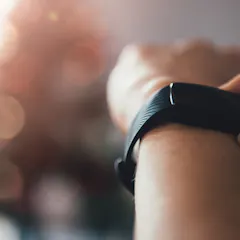
People with darker skin tones get less reliable readings from fitness trackers.
Top contributors
-

Assistant Professor, Faculty of Business, University of New Brunswick
-
Assistant Professor of Clinical Pediatrics, University of Southern California
-
Professor of Healthcare Management, Warwick Business School, University of Warwick
-
Lecturer in Linguistics, Bangor University
-
Assistant Professor in English Linguistics, University of Graz
-
Professor, Mechatronic Systems Engineering & Founding Director, Global Institute for Agritech, Simon Fraser University
-
Reader in Computer Science and Leader of Software and Systems Engineering Research, Keele University
-
Family physician, Journalism Alumni Dalla Lana School of Public Health, inderveer.mahal@gmail.com, University of Toronto
-
Senior Lecturer in the History of Science, Technology and Medicine, King's College London
-
Lecturer, Monash University
-
Professor of Immunology, Imperial College London
-
PhD Student, The University of Melbourne
-
Postdoctoral fellow, Applied Sciences, Simon Fraser University
-
Associate Professor of Social Work, University of Southern California
-
Associate Professor of Psychology, The University of Melbourne