
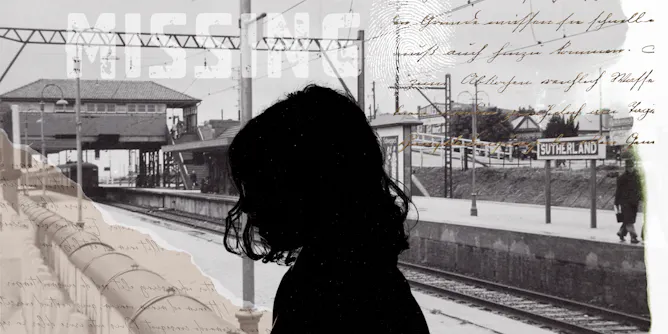
Stephen ‘Shorty’ Jamieson has been behind bars since 1988. Fresh research critically examines the confession that put him there.
Articles on Wrongful conviction
Displaying all articles

‘Sometimes I sit in the bedroom and I’m crying my eyes out like a child’

Our research shows the smallest of appearance changes are enough to lead to mistaken identifications in a police line-up. It doesn’t bode well for the justice system.
The meanings we carry around in our heads seem so natural and inborn that we fail to realise other people can have quite different understandings.
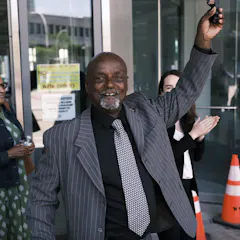
Leonard Mack spent years in a US jail for a crime he didn’t commit. Here’s how identification procedures can, and have, led to wrongful convictions, and what can be done to prevent it.
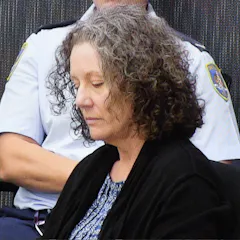
One in three wrongfully convicted women were convicted of crimes that involved harming children. Once pardoned or exonerated, they experienced significant psychological and practical challenges.
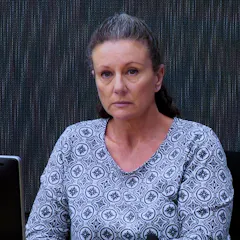
Such bodies have proven to bring a cost-effective improvement to the accuracy of criminal justice systems overseas.

Wrongful convictions affect people’s lives, even after they are exonerated. There are several complex reasons for wrongful convictions, and policy reform is essential for addressing them.
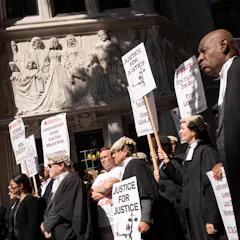
The inevitable consequence of a criminal justice system in crisis is people being wrongfully convicted. The media has a crucial role to play in monitoring the law.
‘No body, no parole’ laws may at first appear to be in the public interest. But there’s a lack of evidence they work and a risk they may disproportionately penalise the wrongfully convicted.
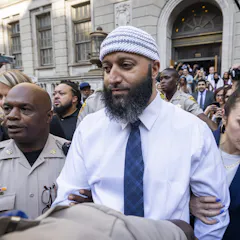
Unfortunately, wrongful convictions do happen, and they often share similar underlying causes.

Eyewitness testimony can hold a lot of weight with jurors. But eyewitnesses aren’t always right, and poor investigative practices can make matters worse.
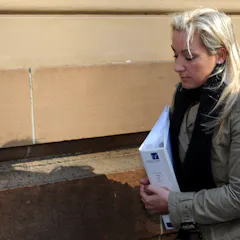
An investigation by RMIT researchers shows that police failed to disclose 2,000 recordings of Keli Lane to defence attorneys. Failure to disclose evidence is a common issue in criminal cases.

Fifty-nine years ago, Steven Truscott, wrongfully convicted for the murder of a schoolmate, was sentenced to hang. He was only 14 years old. Why did it take so long for justice to catch up with him?

Analysing the words used to place blame or give evidence can change how we see a situation.

From cussing McDonald’s Minions to wrongful conviction, mishearing what is said can be funny but also very serious.
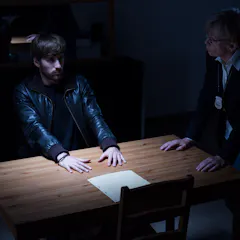
Innocent people do confess to terrible crimes they had nothing to do with. Psychologists are investigating factors that contribute to false confession – including how well-rested a suspect feels.
Top contributors
-

Lecturer, Macquarie University
-
Associate Dean, Criminology and Justice Studies, RMIT University
-
Professor of Linguistics, Monash University
-
Lecturer, RMIT University
-
Senior Lecturer - Criminology and Justice Studies, RMIT University
-
Professor of Psychology, Michigan State University
-
Emeritus Professor, Faculty of Health, Deakin University
-
Chancellor's Professor, Psychology, Carleton University
-
Reader, Goldsmiths, University of London
-
Lecturer, Criminology & Justice, RMIT University
-
Professor of Criminal Justice Administration, California State University, Dominguez Hills
-
Associate Professor in Forensic Psychology, University of Sydney
-
Sessional Academic, Edith Cowan University
-
Lecturer, School of Humanities and Social Science, University of Brighton
-
Senior Lecturer, The University of Sydney Law School; Director Sydney Institute of Criminology, University of Sydney