
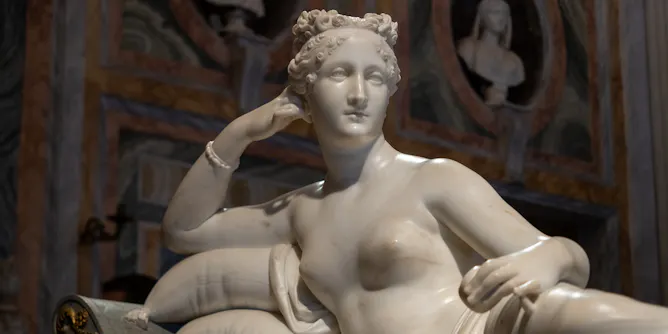
Lounge creator and artist Kirsha Kaechle said the lounge was being ‘experienced’ by men exactly as intended – by excluding them.
Articles on Women's liberation
Displaying all articles
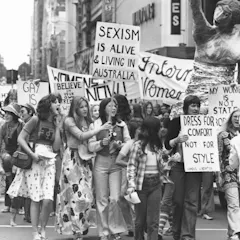
Feminism helped power the tide of change carrying Gough Whitlam to power in 1972. What were his government’s historic achievements for women? And what do Australian women need to fight for next?

In 1972, 5 women – Helen Garner, Claire Dobbin, Evelyn Krape, Yvonne Marini and Jude Kuring –spent 5 months workshopping a play. Frank, angry and explicit, it was a beacon of 1970s women’s liberation.
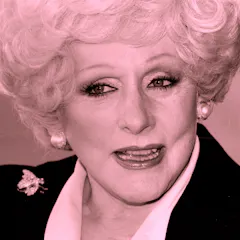
Ash derided women’s liberation as “that foolishness” – but her success story is very feminist.

In his 1972 novel The Stepford Wives, Ira Levin powerfully dramatised women’s suburban alienation and men’s resistance to feminist change. Michelle Arrow traces its enduring influence.
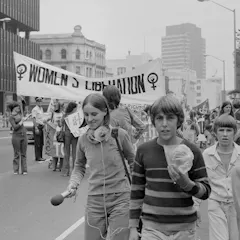
Feminists in the 1970s knew the liberation of women and children was inextricably linked.
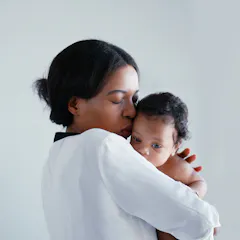
As women’s relationship with work and career has changed, so too has the relationship with parenting. What women need now is more targeted support in raising children.
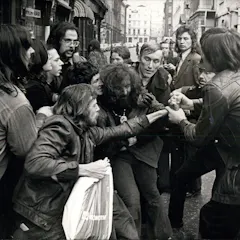
As women around the world call out sexual misconduct, the role of men in rooting out misogyny needs to be considered
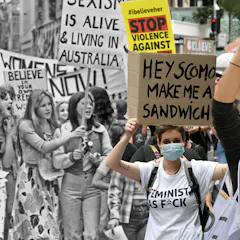
Through history, themes of anger and sorrow have run through women’s marches — but so too have themes of joy, hope and resilience.
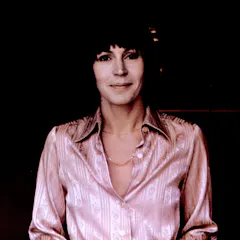
The icon of women’s liberation has died in Los Angeles, aged 78. Her music shaped a generation of women.
Top contributors
-

Distinguished Professor Emerita, History, Australian National University
-
Professor of History, President, Australian Historical Association, Macquarie University
-
Adjunct Researcher, University of Tasmania
-
Assistant Professor of History, University of South Florida
-
Sessional academic, Department of Media, Communications, Creative Arts, Language, and Literature, Macquarie University
-
Professor of Media, Department of Media, University of Sydney
-
Research fellow, Macquarie University
-
Professor in Modern British and Gender History, Murray Edwards College, University of Cambridge
-
Online & Outreach Manager, National Centre of Biography, The Australian National University, Australian National University