
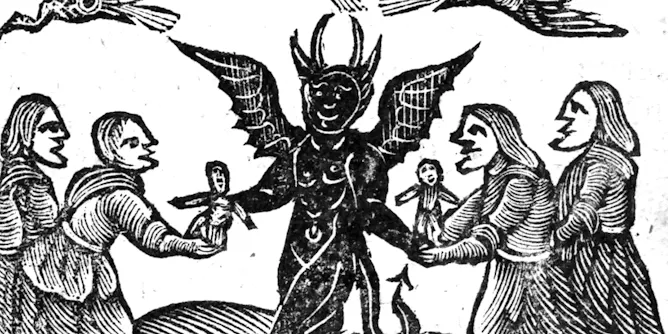
Only five witches were executed in Wales, while thousands were sentenced to death in Scotland and England.
Articles on Witches
Displaying 21 - 40 of 86 articles
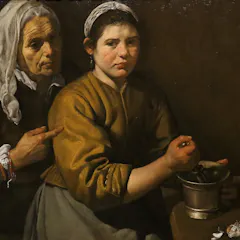
Early modern societies in Latin America and Spain saw a convergence of traditional medical knowledge and the professionalization of medicine. The resulting differences in access to care endure today.

The iconic image of a witch on a broomstick has apocryphal origins. But whether they could actually fly didn’t stop Christian society from persecuting them.
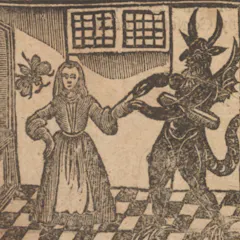
Pins were ubiquitous and swallowing them became associated with demonic posession and female “hysteria”.
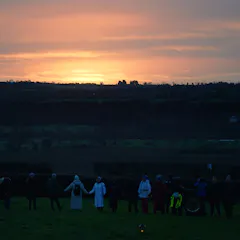
Yule, celebrated by Wiccans and many other Pagans in the Northern Hemisphere on Dec. 21, the day of the winter solstice, is a time for reflection.
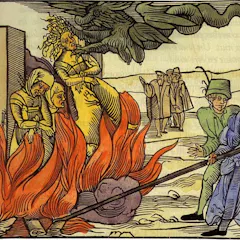
What do we mean when we talk about “witches”? And what imaginary world is conjured up by this historical figure turned mythical?
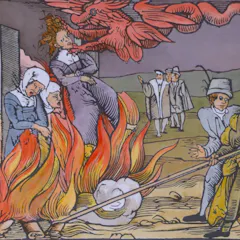
Witchcraft is an enduring source of fascination but also prone to popular misconceptions.

Victims of witchcraft accusations face alienation or exclusion from their communities.
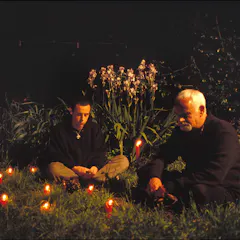
Practitioners of Pagan religions no longer need to go into a forest to find an object for their altars. Commercialization means that sacred objects are available online.
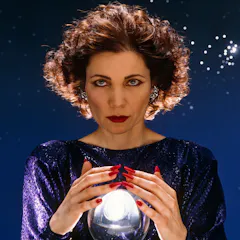
Critics of superstition have often painted openness to magical interpretations as weakness or moral failing.
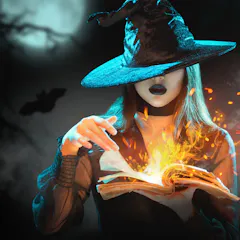
These new witches are rarely comparable to traditional dirty hags. The new witch is often beautiful, at once dark, gothic, ethereal and wild.
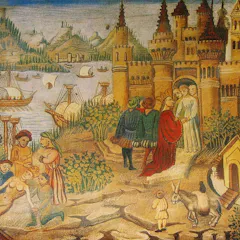
During the Middle Ages, women were steadily excluded from both the practice and the study of medicine by an overwhelmingly male-dominated, institutional and hierarchical system.
In fairy tales there are real mothers and stepmothers and the latter are always evil.
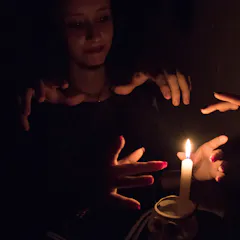
From ancient Greece to modern-day TikTok witchcraft, the world of witches has been a changing one.
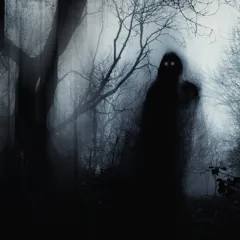
A teenage domestic servant showed signs of possession, and a miller was accused of witchcraft. Considering records of these events helps clarify what we can and cannot know about the past.
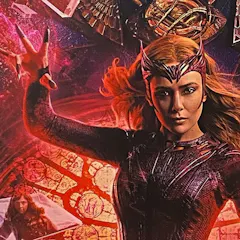
Visual references to mythological and popular culture figures of female anger abound in the latest Dr. Strange movie.
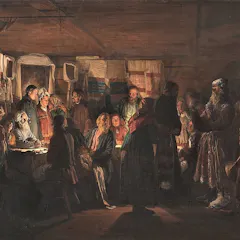
The idea of a ‘witch’ was usually female in Western Europe, but not so in Orthodox Russia – partly because of the period’s rigid social hierarchies.

A folklorist explains the prehistoric origins of the mythical Easter Bunny and why this longstanding cultural symbol keeps returning each spring.
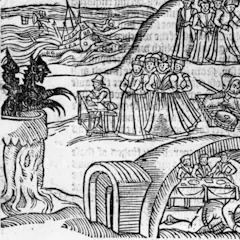
It’s facile to claim that only the state, or even only elites, were responsible for executing witches – there is a potential witch-hunter in all of us.
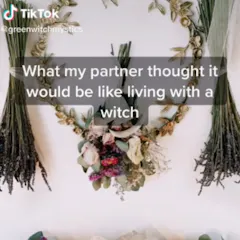
Whether someone is scrolling mindlessly or actively conducting research, WitchTok connects witches to their practices and community.
Top contributors
-

Affliated Scholar at the Women's Studies Research Center, Brandeis University
-
Casual Academic, School of Humanities, Creative Industries and Social Sciences, University of Newcastle
-
PhD Candidate, Languages and Literature, Aberystwyth University
-
Professor of Renaissance and Magical Literatures, University of Exeter
-
Reader in Early Modern History, History, Archaeology and Religion, Cardiff University
-
Teaching Fellow in Medieval Studies, University of Leeds
-
Professor of Anthropology, USC Dornsife College of Letters, Arts and Sciences
-
Emeritus Professor in the History of Religious Thought, The University of Queensland
-
PhD Candidate, Early Modern History, The University of Queensland
-
Professor, TC Beirne School of Law, The University of Queensland; Syracuse University
-
Postdoctoral Research Fellow, The University of Queensland
-
Professor of Early Modern European History, University of Cambridge
-
Marie Sklodowska-Curie Fellow, Centre for Corpus Research, University of Birmingham
-
IT Service Desk Coordinator, Swansea University
-
Professor of Screen Aesthetics and Criticism, University of Birmingham