

Winter is a time to take stock of what’s working and what’s not in the garden. Time will flash by – so don’t neglect these winter jobs.
Articles on Winter storms
Displaying all articles
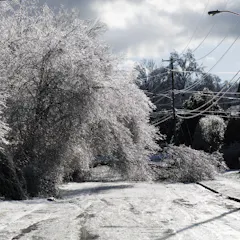
The government directed data centers to turn on backup generation in parts of the US. Expanding distributed generation could improve grid resilience.
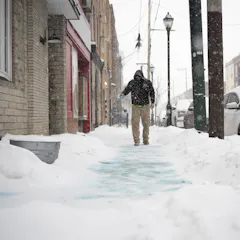
Excess road and sidewalk salt flows into storm drains and ultimately into area streams and rivers, affecting fish and other aquatic organisms.
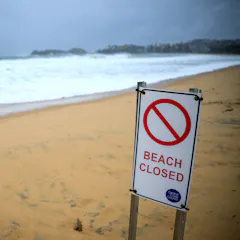
A second low forming off the NSW coast may have given anxious residents a reprieve by pulling energy away from the huge storm lashing the coast.
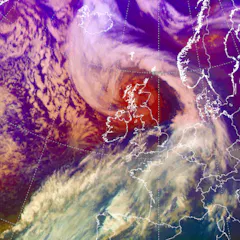
Éowyn’s wind speeds are comparable with the most infamous storms of recent years and decades.

As the climate changes and weather warms, the freezing line is shifting, bringing rain to many regions more accustomed to snow.
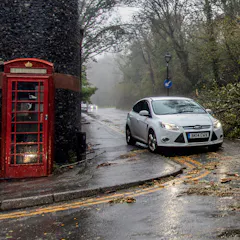
Storm Ciarán is the UK’s third named winter storm since September.
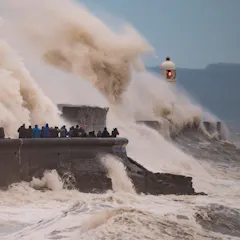
An expert explains why the UK’s winter has been relatively calm.
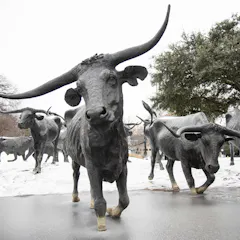
Texas wasn’t prepared to keep the lights on during Winter Storm Uri, and it won’t be ready for future cold weather unless it starts thinking about energy demand as well as supply.
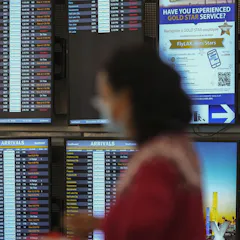
After the transportation crisis this past holiday season, apologies from major airlines, airports and government officials are not enough. It’s time to protect passengers from travel companies.
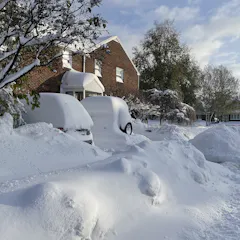
Despite technological advances, many US schools are still likely to cancel school in the event of a big snowstorm.

Snowstorms that sweep across the Great Lakes can dump several feet of snow on the other side. A climate scientists explains why.
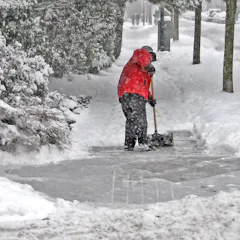
It’s hard to get accurate measurements, but a nationwide network of more than 8,000 volunteers with rulers and specific standards reports after every storm.
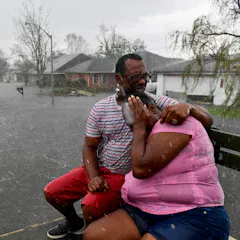
A hurricane that wreaked havoc from Louisiana to New York City, the Texas freeze and devastating western wildfires topped NOAA’s list of billion-dollar disasters in 2021.
Extended periods of rain are most likely found in locations where mountains are near oceans.
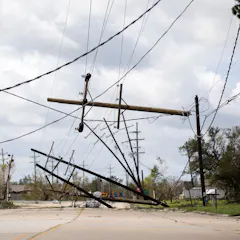
Building even more power poles and transmission lines won’t avert outages when major disasters strike.
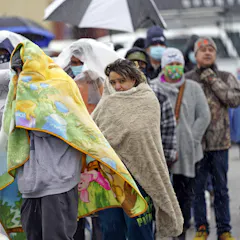
The Texas electric power market is designed to give energy companies incentive to sell electricity at the lowest possible cost. That focus helps explain why it collapsed during a historic cold wave.

Warm summers aren’t the only threat to Arctic ice – increasingly intense winter storms are also weakening and reducing ice cover.
Top contributors
-

Professor of Climate Change Impacts, Newcastle University
-
Professor of Energy and Environmental Economics and International Affairs, Penn State
-
Cooperative Extension Forester and Natural Resources Advisor, University of California, Division of Agriculture and Natural Resources
-
Senior research scientist, Norwegian Polar Institute
-
Research Associate Professor of Atmospheric Sciences, University of Washington
-
PhD Student in Mechanical Engineering, The University of Texas at Austin
-
Research fellow, University of Tasmania
-
Postdoctoral Research Associate in Climate Science, Newcastle University
-
-
Associate Professor of Higher Education, West Virginia University
-
Senior Research Associate, School of Agriculture, Food and Ecosystem Sciences, The University of Melbourne
-
Climate scientist, Massachusetts Institute of Technology (MIT)
-
Professor of Climate Science, UMass Lowell
-
Associate Teaching Professor of Meteorology and Atmospheric Science and Manager of the Joel N. Myers Weather Center, Penn State
-
Professor of Oceanography, University of Miami