
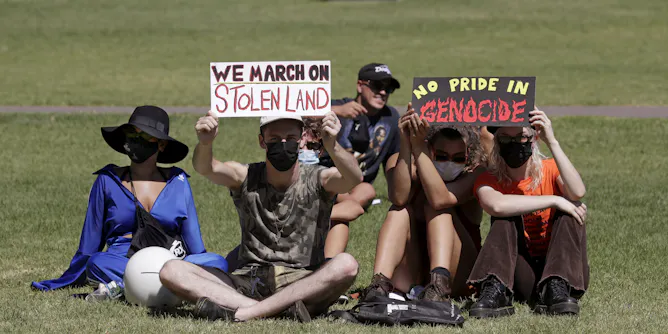
Learning about First Nations people and their histories can make some feel awkward or uncomfortable at times. However, being willing to embrace that discomfort is vital to learning.
Articles on Whiteness
Displaying 21 - 40 of 47 articles

Universities can be hostile, overwhelming and unwelcoming places for many First Nations Peoples working in academia. More needs to be done to ensure culturally safe workplaces.
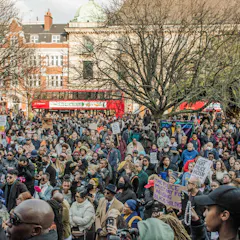
Discussions of racism in Britain centre around the experiences and traumas of Black people, but rarely on the perpetrators.

The schools inspectorate’s policies about language are harmful to the most marginalised members of society.
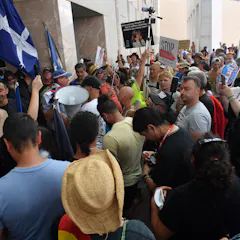
Recently, white protesters have attempted to co-opt Indigenous peoples’ call for sovereignty and self-determination for their own agendas.
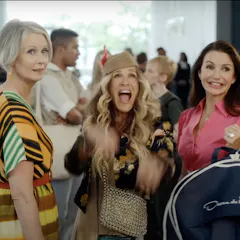
What can we take away from this epic fail of a reboot as a society that continues to undervalue women and shun open discussions of age, class, race and sex?

White denialism of racism provokes a narrative of ‘us versus them.’ Self-reflection and listening are among the ways to be accountable for interrupting and eradicating racism.
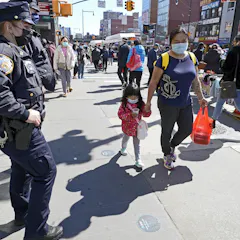
White people are the main perpetrators of anti-Asian racism and violence, but white supremacy is still the problem when Blacks and Latinos attack Asians.
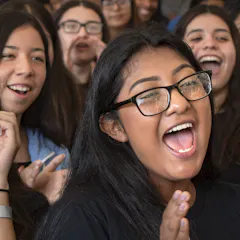
US suburbs are rapidly diversifying, but students of color often face academic and social hurdles in suburban schools.
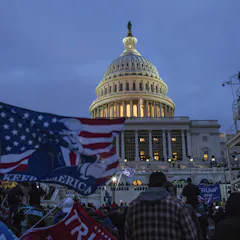
Extremist groups like the Proud Boys get white supremacy into headlines. But all white people benefit from white supremacy, whether they know it or not.
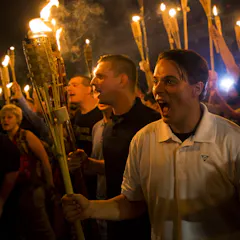
A sense – or fear – of victimhood pervades contemporary white supremacy from the extreme to the mainstream.

A realignment is needed as the current systems have lost the competence to midwife a new nation out of the formative experiences of the last 25 years.
Former professor Robin DiAngelo’s book ‘White Fragility’ takes a reductive view on whiteness. This simplistic approach privileges a U.S.-centric view and ignores global experiences of whiteness.
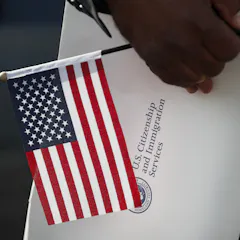
The US and other countries have a legal definition of citizenship, yet human psychology and identity politics result in ingrained biases over who truly belongs.
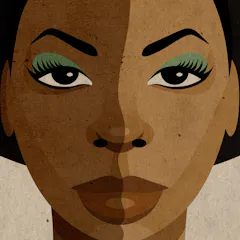
The long history of racist beauty standards alone cannot explain the ongoing global use of harmful skin lighteners.
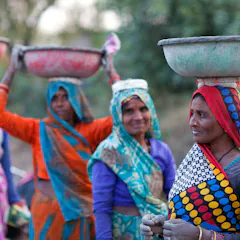
For migrants, prejudice can be a life and death matter. Research in India and South Africa shows life is considerably harder if migrants have a darker skin and come from a poorer country.

By 2050, the US will be a ‘majority-minority’ country, with white non-Hispanics making up less than half of the total population.

The extent to which schools foster political deliberation, engagement, understanding and empathy has far-reaching implications for our democracy.

As Brazil’s black women become more conspicuous and powerful, they are bullied and threatened in social media’s modern-day pillory.

A recent controversy surrounding Québec director Robert Lepage has had some people claiming to be colour-blind when in comes to race. But nothing could be further from the truth.
Top contributors
-

Reader in Critical Applied Linguistics, Manchester Metropolitan University
-
Presidential Fellow in Ethnicity and Inequalities, University of Manchester
-
Associate Dean Education, Gnibi College, Southern Cross University
-
Professor of Psychology, University of Chicago
-
Adjunct assistant professor, Werklund School of Education, University of Calgary
-
Senior Lecturer in Literature, University of Essex
-
Professeur Agrégé, Institut d'études féministes et de genre, L’Université d’Ottawa/University of Ottawa
-
Professor, University of the Witwatersrand
-
Associate professor of Sociology, University of the Witwatersrand
-
PhD in Sociology, University of Southampton
-
Professor of Education, University of Sydney
-
Professor, Sociology, University of the Western Cape, Nelson Mandela University
-
Professor of Social Psychology, UMass Amherst; Institute for Humane Studies
-
Professor of Sociology and Demography, Penn State
-
Distinguished Professor of Sociology and Demography, Penn State