
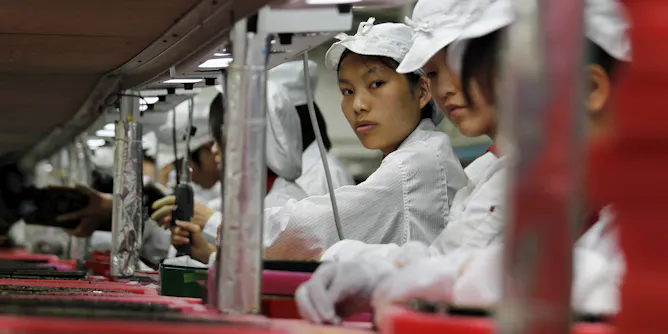
Rethinking work is crucial for industrialised and emerging economies, where job losses are being felt even in the presence of substantial, although diminishing, economic growth.
Articles on Wellbeing
Displaying 361 - 380 of 442 articles

Yoga helps financially insecure youth gain confidence, coping skills, and self-compassion.

Workplaces stresses and the weight of great expectations take a toll on well-being.

The climate crisis demands not only green technologies, but a completely different approach to economic development.

Beyond the glitz and glamour of the esports arena there are some serious issues with how its economy works and how this affects player well-being.

Research and practice in positive psychology aim to find ways to make life better for people, and ensure they’re the best and most mentally healthy person they can be.

In a world of increasing urbanisation, density, pressure and, some say, isolation, there’s a natural salve for stress, pressure and mental illness. And it’s right above our heads.

All the awareness campaigns have had little effect on the ‘garden variety’ mental illness that’s causing most of the disability and death.

We spend most of our waking hours at work, but are we really ourselves when we step through the door?

Young interviewees speak of the pressure to conform to certain ideals of masculinity.

We need environmentally-adjusted measures that don’t just focus on material goods.

Having a job plays an important role in our overall happiness – yet research also shows most of us are unhappy while we’re at work.

It’s not all about health and wealth.

Increasing well-being is generally accepted as one of the essential components of social progress. But which measure of well-being – if any – should we use ?

Exposure to nature plays a positive role in brain development by providing children with opportunities to take risks, discover new things, and be creative.

Basically, we need to work less.

How we use our smartphone can say a lot about our behaviour. But can such tech be trusted to track our mental health?
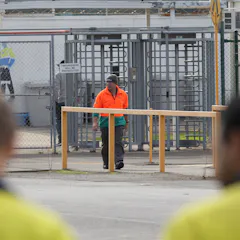
When workers don’t have leave and are in temporary employment, new research suggests they are likely to use small acts of deviant behaviour to find satisfaction in work.

Little thought is given to the well-being of those in custody.

You might feel small, but there are plenty of ways you can make a more positive contribution to the world.
Top contributors
-

Associate Professor, Centre for Positive Health Sciences, RCSI University of Medicine and Health Sciences
-
Professor of Coaching and Positive Psychology, RCSI University of Medicine and Health Sciences
-
Visiting Fellow, The Media School, Bournemouth University
-
Professor and Head of the Department of Psychology, University of Copenhagen
-
Mental Health Researcher, University of Southern Denmark
-
Honorary Research Associate at the Behavioural Science Centre, University of Stirling
-
Professor of the Psychology of Time, Liverpool John Moores University
-
Professor of Organisational Psychology and Health, University of Manchester
-
Postdoctoral research assistant at the Welsh Institute of Physical Activity, Health & Sport (WIPAHS), Swansea University
-
Lecturer, Centre for Positive Psychology and Health, RCSI University of Medicine and Health Sciences
-
Professor in International Social Policy, University of Southampton
-
Associate Professor of Clinical Psychology, Curtin University
-
Senior Research Fellow, School of Psychology, Deakin University
-
Associate Professor, School of Psychology, UNSW
-
Founding Director, Institute for Sustainability, University of Surrey