
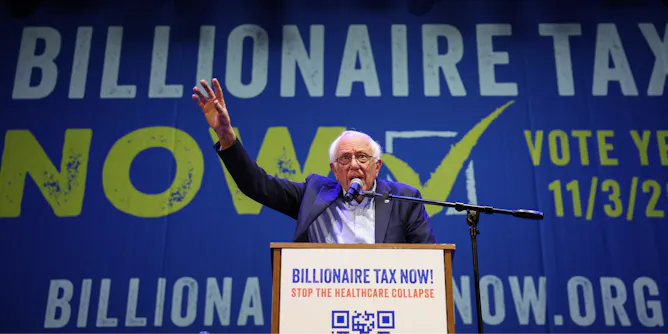
A push in California to tax billionaires will be an important test of the political power of the rich – and the health of US democracy.
Articles on Wealth tax
Displaying 1 - 20 of 55 articles

Here’s why billionaires can face lower tax rates than people whose income primarily comes from wages.

There’s a widening divide between two Canadas: one marked by working-class misery and homelessness; the other by the unprecedented prosperity of the uber-wealthy. This wealth gap is unsustainable.
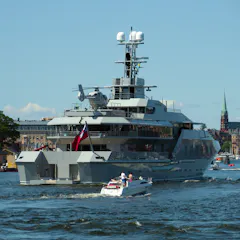
For some Swedes, the question isn’t simply whether a wealth tax works, but what kind of society has been lost with its abolition.
Over the past half-century, a rising share of economic activity in the UK and other rich countries has been connected with ‘bad’ wealth accumulation.
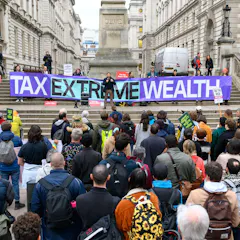
The case for taxing wealth has historically come from the political mainstream – so why is it so unpalatable now?

SIgn up now for our online pre-budget event featuring IFS director Helen Miller and other leading tax and business experts

A large part of the solution is changing the millionaire mindset.
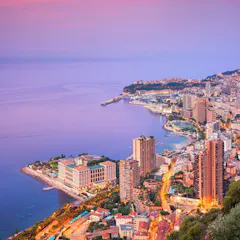
A wealth tax on billionaires would require global cooperation and get us into the tricky territory of taxing unrealised gains. But we already do that in some circumstances.
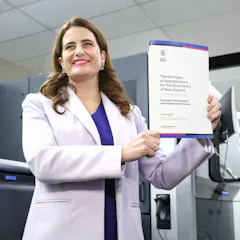
It seems likely the government will focus on boosting business growth rather than raising new taxes. How it finances core operations remains the big question.

Food shortages are not the cause of hunger in South Africa. The country produces and imports all the food it needs.

The important question in a democratic setting is who gets to pay taxes and how they connect to the well-being of its citizens.
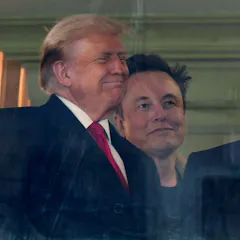
Some are calling for wealth caps and reduced political influence.

The Labour Party’s proposed capital income tax targets earners whose gains are missed by the current system. We explain how this is different from other taxes targeting the wealthy.
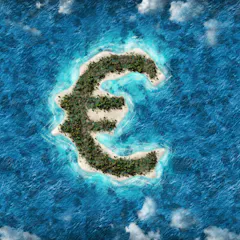
While the return of a wealth tax in France and Germany seems unlikely, the reality is different at EU level, where supporters play up the climate argument.
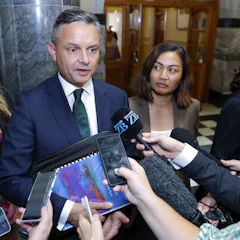
New Zealand’s Greens have undoubtedly succeeded in some policy areas, including climate and housing quality. But the party continues to battle internal tensions between idealism and pragmatism.

You may feel little sympathy for people in the top bracket of earnings, but don’t let that stop you reading. Like it or not, their views and actions matter to everyone
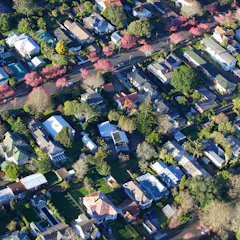
Forget wealth or capital gains taxes, a straight tax on housing equity – exempting most homeowners – would be a simple and efficient way to break the circuit of inequality.

New Zealand’s tax system might be in need of updating, but Revenue Minister David Parker’s new tax legislation is unnecessarily complicated at a time when we most need clarity.
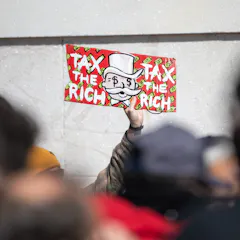
The costs of high taxes on the rich are likely only to be moderate. But the democratic, environmental, and health benefits are truly enormous and could transform society and dramatically.
Top contributors
-

Professor of Taxation and Commercial Law, Te Herenga Waka — Victoria University of Wellington
-
Professor Emerita of Law, Vanderbilt University
-
Professor of Taxation, Te Herenga Waka — Victoria University of Wellington
-
Senior Lecturer, Political Economy and Public Policy, Keele University
-
Scientia Professor of Economics, UNSW
-
Associate Professor in Taxation, Stellenbosch University
-
Professor of Political Science, Stanford University
-
Economics PhD Candidate, Stellenbosch University
-
Professor of Law, University of British Columbia
-
Research Fellow - World Inequality Lab - Paris School of Economics
-
Professor of Political Economy and Public Policy, Chair at Danish Institute for Advanced Study, University of Southern Denmark
-
Professor of Social Policy, University of Birmingham
-
Senior lecturer in Doctoral Program in Economics, Trisakti University
-
Visiting Professor at the Business School, University of the Witwatersrand
-
Maître de Conférences en Science politique, Institut catholique de Lille (ICL)