

War-related trauma now affects most people in Ukraine and presents a major threat to the country’s resiliance in the face of continuing Russian aggression.
Articles on War trauma
Displaying all articles

While trauma can ripple across generations, its effects aren’t hard-coded in our genes.
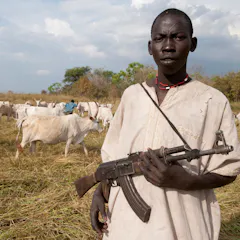
Attempts to encourage peaceful dialogue are hampered by the generational legacies of ethnic conflict, including South Sudan’s long history of violent cattle raiding.
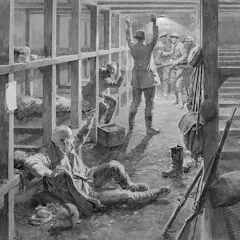
I’ve researched the rare moments of intimacy during war, when enemies see the humanity in each other and forge unlikely friendships.

The impact of wars on children is vast and multifaceted. The trauma inflicted is enduring and will shape the rest of their lives — and by extension, the societies in which they and we live.

The toll of Russia’s invasion of Ukraine on people’s wellbeing was felt worldwide. The effects were temporary for most. But those high on certain psychological traits struggled for longer.
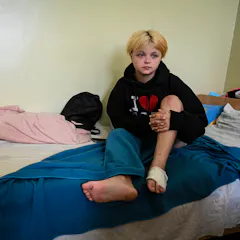
No matter their age, gender, ethnicity or locale, kids undergoing this therapy can make real progress in recovering from the most devastating traumas.

Music therapy offers a flexible and accessible way of supporting wellbeing and addressing traumatic experiences.
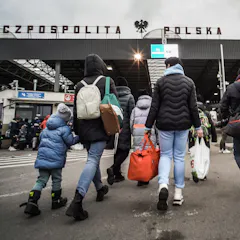
More than 2 million Ukrainians have fled the country since the Russian invasion. The EU has welcomed the refugees, but research shows that host communities may tire of the newcomers.

Ukrainian Australians feel the push-pull impact of distant conflict on their mental health. Supportive measures include making sure their feelings are heard and accepted.

Now, for the first time in Australian history, trauma is trending in the wider public discourse. What does this shift in public consciousness mean, and where is it taking us?

Rep. Ilhan Omar (D-Minn.), who spent four years in a refugee camp, was recently criticized for saying that talk about war makes her feel anxious. A trauma psychiatrist explains the effects of PTSD.
Top contributors
-

Research Associate Professor at the Virginia Modeling, Analysis and Simulation Center, Old Dominion University
-
Professor of Psychiatry, Wayne State University
-
Associate Lecturer in Creative Writing, University of Sydney
-
Professor of Personality Psychology, The University of Melbourne
-
Research Associate Professor, Old Dominion University
-
Professor and Chair: Mental Health Nursing, Adelaide University
-
Instructor in psychiatry, clinical psychologist and director of training at Lifeline for Kids, UMass Chan Medical School
-
Senior Lecturer in Music Therapy, University of South Wales
-
Fellow in Early Childhood Policy, Atkinson Centre, Ontario Institute for Studies in Education, University of Toronto
-
Adjunct Professor, Department of Applied Psychology and Human Development at Ontario Institute for the Study of Education (OISE) and Executive Director at the Atkinson Centre, University of Toronto
-
Professor of English Literature, Cardiff University
-
Adjunct Research Fellow, University College Dublin, and Affiliate Researcher in the Department of War Studies, King's College London
-
Interdisciplinary writer and researcher, Monash University
-
Clinical Reader in Psychiatry, King's Centre for Military Health Research, King's College London
-
Einstein Professor for the Comparative Study of Democracy and Authoritarianism, Humboldt University Berlin, and Director, Centre for East European and International Studies (ZOiS); University of Oxford