
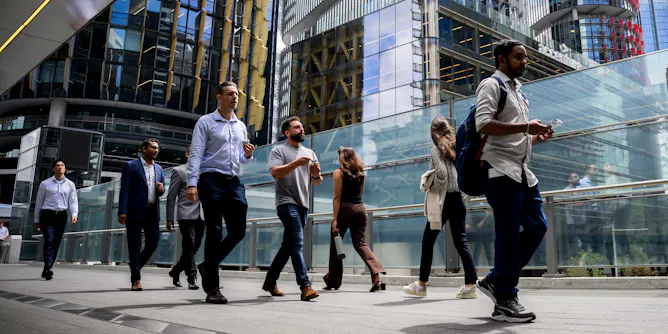
A horror stretch starting in 2020 saw an entire decade of real wage growth reversed in just three years. It’s a long way back up yet.
Articles on Wage price index
Displaying all articles
Unemployment and related payments for working-age people were given a welcome boost in last year’s budget. But they remain well below pensions, and far from adequate.

Even with an unemployment rate of 3.9%, wages aren’t adjusted often.
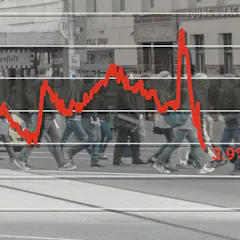
The share of the population in work has hit an all-time high as the share of the workforce underemployed has hit a 14-year low. The fresh low in unemployment will bring higher interest rates, and perhaps higher wages.
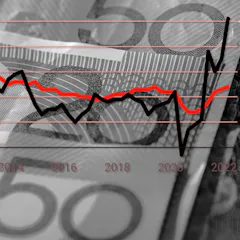
The buying power of wages shrank a record 2.7% over the year to March, calling into question assurances about the link between low unemployment and high wage growth.
For the first time, there’s almost one job vacancy for every unemployed Australian. But that isn’t translating to better wages.
When low-wage workers lose jobs the average wage goes up. There’s a better measure, but we’re not using it.
The progress we were making has been slowed or reversed, at exactly the wrong time.
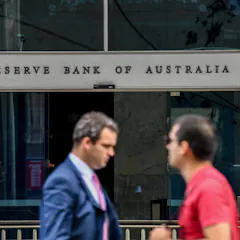
As with economic growth and wages, the RBA’s response seems to involve crossing as many fingers and toes as possible and publicly proclaiming that things are looking good.
Low wage growth isn’t just bad for households - it’s also bad for the overall economy. Research shows that increasing wages would take some of the risk out of the housing sector.
Top contributors
-

Scientia Professor of Economics, UNSW
-
Laurie Carmichael Distinguished Research Fellow at the Centre for Future Work, Melbourne; and Professor Emeritus, Griffith Business School, Griffith University
-
Economist and Director, Centre for Future Work, Australia Institute; Honorary Professor of Political Economy, University of Sydney
-
Senior lecturer, Canberra School of Government, University of Canberra
-
Professor, Crawford School of Public Policy, Australian National University
-
Professor of Economics, The University of Melbourne
-
Visiting Fellow, Crawford School of Public Policy, Australian National University
-
Reseach Fellow, School of Government, The University of Melbourne
-
Director, Centre of Policy Studies, Victoria University