
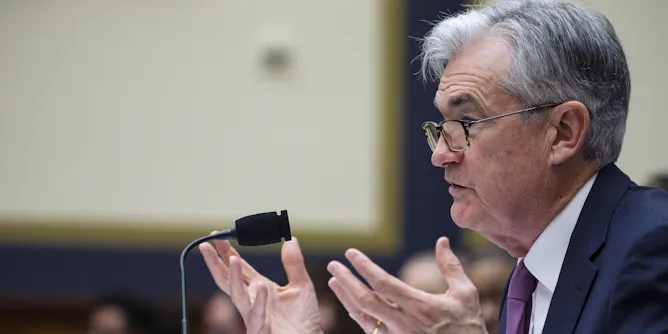
The Federal Reserve is expected to cut interest rates by a quarter-point during its September meeting.
Articles on Consumer Price Index
Displaying 1 - 20 of 32 articles

Nigeria revised the way inflation is measured but many Nigerians still feel that the cost of living remains high.
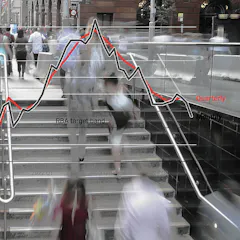
Australia’s inflation rate was pushed down by a 17.9% fall in electricity prices, but even the Reserve Bank’s preferred measure of “underlying inflation” is falling.
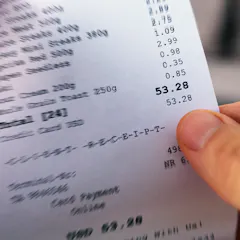
Using higher interest rates to contain inflation creates winners and losers rather than sustainably making living more affordable.

The head of the US Federal Reserve has declared interest rates are headed down there. Australia should fall into line soon after – most likely on Melbourne Cup Day in November.

How do we know if prices are going up across the whole economy, or just for some products? One solution is to create an index of price changes across the entire economy – but this isn’t perfect.

The result of 3.8% is what the Reserve Bank expected. The so-called underlying rate of inflation actually fell.
The Reserve Bank will decide whether to hike or hold rates next Tuesday. The
bank’s new deputy governor has offered us some clues to which way they might go.

Ghana’s central bank has faced criticism for its role in the country’s economic crisis.

The Federal Reserve is being characteristically cautious.
Unemployment and related payments for working-age people were given a welcome boost in last year’s budget. But they remain well below pensions, and far from adequate.

Far from being “rampant” inflation was tame in the first two months of this year. We know this because of big changes in the way the bureau prepares its data.

If the government is serious about reducing the cost of smoking, it should stick with Labour’s smokefree legislation rather than freezing the price of smoked tobacco products.
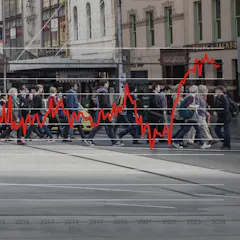
The official figures tell us inflation is 5.4%. But for working families, it’s actually 9%. Yet there is some good news ahead.
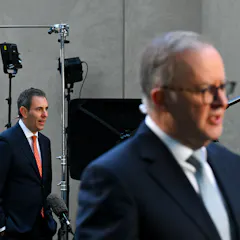
The RBA’s latest forecasts assume no further rate rises will be needed. There’s nothing in the budget that should change that.
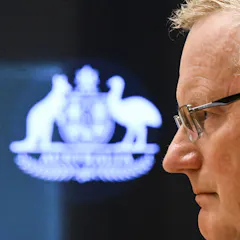
Interest rates are almost certain to rise again in February, after the latest Consumer Price Index figures showing inflation hitting a record high of 7.8% in 2022.

The full effects of the eight consecutive increases in the Reserve Bank’s cash rate are yet to become apparent, and there are signs inflation is on the way down.

The Bank of Canada’s expansionary monetary policy in 2021 is an important source of the high inflation we are experiencing today.

An economist provides insight into how inflation is measured, where it comes from and how it is impacting Canadians and the economy at large.

Inflation is soaring, but prices for typical back-to-school gear like backpacks, computers and new clothes are rising less than average – or even falling.
Top contributors
-

Visiting Fellow, Crawford School of Public Policy, Australian National University
-
Senior lecturer, Canberra School of Government, University of Canberra
-
Professor, Crawford School of Public Policy, Australian National University
-
Associate Professor of Business, Boston University
-
Associate Professor in Public Health, University of Otago
-
Scientia Professor of Economics, UNSW
-
Lecturer in Economics and Finance, University of Ghana
-
Senior Lecturer in Finance, Covenant University
-
Senior Lecturer in Economics, University of Otago
-
Associate Professor, Department of Economics, Toronto Metropolitan University
-
Visiting Professor at the Business School, University of the Witwatersrand
-
Professor of International Economic Affairs at The Fletcher School, Tufts University
-
Associate Professor, POLIS@ANU Centre for Social Policy Research, Australian National University
-
Economist and Director, Centre for Future Work, Australia Institute; Honorary Professor of Political Economy, University of Sydney
-
Professor of Public Health, University of Otago