
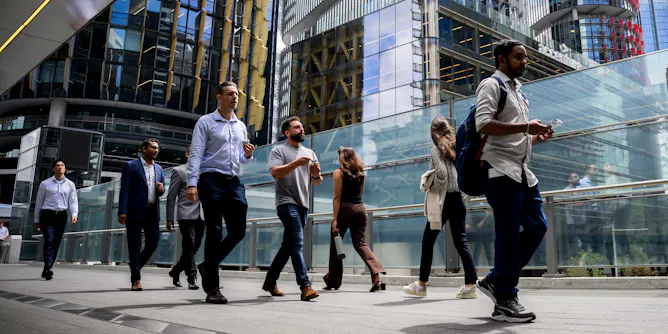
A horror stretch starting in 2020 saw an entire decade of real wage growth reversed in just three years. It’s a long way back up yet.
Articles on Wages growth
Displaying 1 - 20 of 25 articles

Increases in award wages do very little to boost Australia’s total wage bill, and even less to boost inflation.

Dental assistants, community services workers, pharmacists and psychologists are in line for biggger increases down the track.

The tax cut will be worth $52.60 per fortnight for an Australian on the median wage. Next Monday’s pay rise might be worth another $65.50.

A large majority of Australian taxpayers will benefit from the revised tax package, despite the impact of bracket creep over the next decade. But long term, these tax cuts come at a high price.

Our concerning finding is “non-compete clauses” are even more widespread in Australia than in the United States. And it’s not only among CEOs: even childcarers and yoga instructors are affected.
Australia faces an unpredictable global outlook, rising interest rates and wages not keeping up with the cost of living.
A comparison of 17 OECD countries shows those with multi-employer bargaining had worse wage outcomes than those enterprise bargaining.
Economic conditions today are very different from those that informed Bob Hawke’s 1983 summit – and that will affect what unions and the government can get from each other at the 2022 summit.
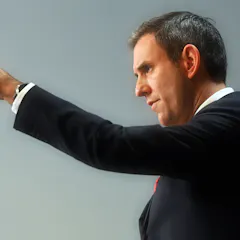
The treasurer promised a “confronting” economic statement, but it held out hope of only a short spike in inflation and a recovery in real wages.
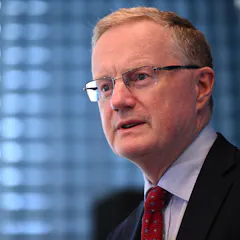
Dark warnings about rising labour costs ignore the importance of profits in driving higher prices.
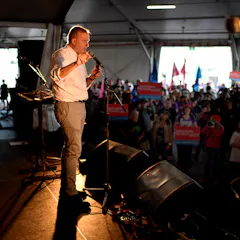
Lifting wages will be a priority for the Albanese government to ease the cost of living. But the unions and the Greens are likely to push for more changes to tackle problems with the Fair Work system.
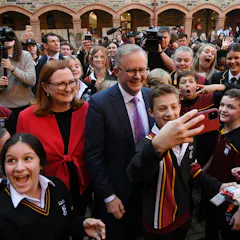
Michelle Grattan discusses the political week that was with Emma La Rouche from the University of Canberra’s Media and Communications team
The buying power of wages shrank a record 2.7% over the year to March, calling into question assurances about the link between low unemployment and high wage growth.
The buying power of wages began slipping mid last year year. The wages share of national income has been sliding since 2016.

Of the news on prices, wages, interest rates and unemployment, only the unemployment update looks set to be positive for the Coalition.
Australia’s Reserve Bank no longer says it is patient, but it is unlikely to move move until it sees widespread higher wage growth.
For the first time, there’s almost one job vacancy for every unemployed Australian. But that isn’t translating to better wages.

Away from the states bouncing out of lockdown, spending growth was weak. The next figures, to be released after the election, might show the economy turning down.

Unemployment is far lower than predicted and isn’t setting off the kind of inflation seen in the United States. There’s no telling how much lower it can go.
Top contributors
-

Visiting Fellow, Crawford School of Public Policy, Australian National University
-
Economist and Director, Centre for Future Work, Australia Institute; Honorary Professor of Political Economy, University of Sydney
-
Program Director, Housing and Economic Security, Grattan Institute
-
Laurie Carmichael Distinguished Research Fellow at the Centre for Future Work, Melbourne; and Professor Emeritus, Griffith Business School, Griffith University
-
Vice-Chancellor’s Fellow, University of Tasmania
-
Senior lecturer, Canberra School of Government, University of Canberra
-
Professor of Work and Regulation, Queensland University of Technology
-
Visiting Fellow and Director – Micro heterogeneity and Macroeconomic Performance program, Crawford School of Public Policy, Australian National University
-
Lecturer in Economics, Monash University
-
Adjunct professor, Flinders University
-
Professorial Fellow, University of Canberra
-
Deputy Program Director, Housing and Economic Security, Grattan Institute
-
Director, Centre of Policy Studies, Victoria University
-
Professor in Working Life, Discipline of Business Information Systems, University of Sydney Business School, University of Sydney
-
Senior Associate, Economic Policy, Grattan Institute