
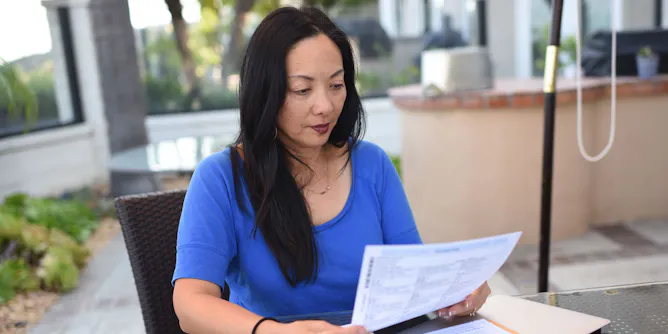
Voting at home is safe from fraud and disease, but gives up a key advantage of in-person voting at official polling places: a secure, safe environment where everyone can cast their ballot secretly.
Articles on Voting rights
Displaying 81 - 100 of 113 articles
Double-check that you’re registered, find out where and when you can vote, make a plan and tell your friends. Set a reminder on your calendar, and make sure you actually vote.
Voters across the nation should prepare for similar circumstances in their communities – but there is still time for them to demand better from their officials.
Overall, waiting times may be improving – but long waits are still common in Black communities.
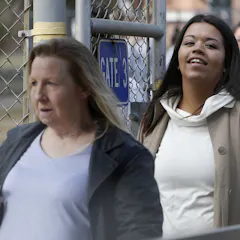
More than 40,000 restrictions, most imposed by states, leave rights, benefits and opportunities out of reach for Americans with past convictions.
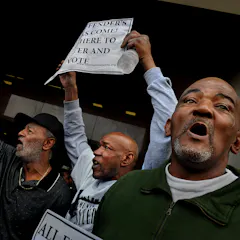
Recent efforts to restore voting rights to the formerly incarcerated, a crucial Democratic constituency, could have important implications for the 2020 presidential election.
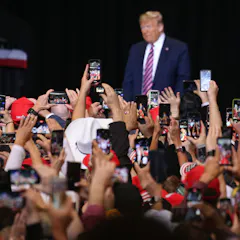
American teens are much more perceptive about their political world than they are given credit for, a recent study shows.
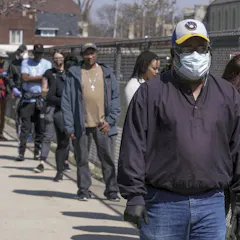
The Supreme Court under Chief Justice John Roberts has reversed its decadeslong practice of protecting voters’ rights and removing barriers to casting ballots.
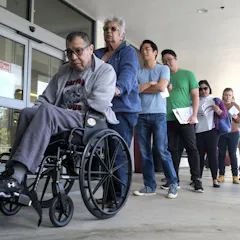
The modern poll tax isn’t paid in money, but in time – how long it takes a person to get to a polling place, and, once there, how long it takes for them to actually cast their ballot.
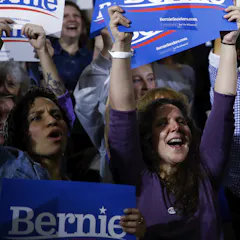
Americans under 30 are far less likely to vote than older citizens. Stepping up civics instruction might help change that, a scholar explains.
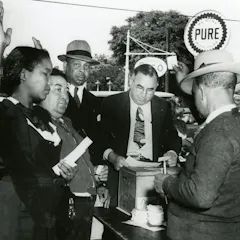
South Carolina’s black community has a long history of fighting for democratic rights.
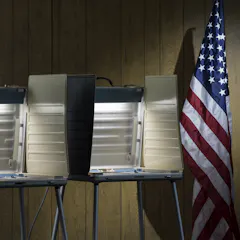
In the 2016 election, more than a third of Americans didn’t vote. What might be keeping them from going to the polls?

A Mississippi law that allegedly makes it ‘more difficult for African-
American-preferred candidates to win elections’ will still be in place when voters choose a new governor Tuesday.

Electing a governor in Mississippi requires more than just a majority vote. That election law came about during a time of racist and anti-democratic voting laws meant to entrench ruling parties.

Extending the provincial vote to expatriates from Newfoundland and Labrador could make make for a more vibrant democracy.
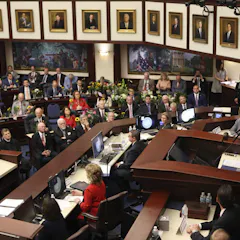
This state law is leaving up to a million people unable to participate in elections who might have gotten relief through an amendment voters approved. Critics call it a modern-day poll tax.
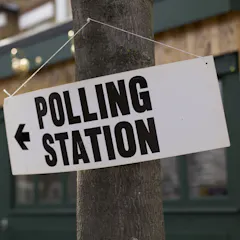
Chronic underfunding has made elections difficult to run in the UK. Yet the government continues to obsess over voter ID.
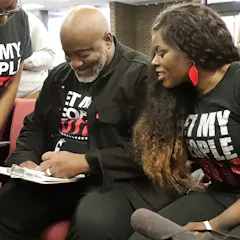
Legislation requiring that all criminal debt associated with a citizen’s conviction be repaid would leave thousands of people unable to cast ballots.
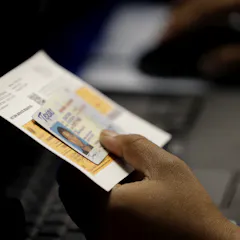
States may have passed these laws with the aim of reducing turnout. But new evidence suggests that they have a minimal or nonexistent effect.
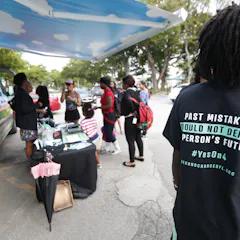
New research shows that when ex-offenders are told they’re able to vote, their attitudes about democracy and justice improve.
Top contributors
-

Professor of Law, University of Richmond
-
Assistant Professor of Political Science, University of Pittsburgh
-
William Nelson Cromwell Professor of Jurisprudence and Political Science, Amherst College
-
Professor of Political Science, Valdosta State University
-
Professor of History, Texas A&M University
-
Professor of Leadership Studies, University of Richmond
-
Assistant professor of politics and policy, Simmons University
-
Research Associate, Idaho Policy Institute, Boise State University
-
ARC Laureate Fellow, Professor of Government and International Relations at the University of Sydney and McGuire Lecturer in Comparative Politics, Harvard Kennedy School
-
C.O. Johnson Distinguished Professor of Political Science, Washington State University
-
Derek H. Alderman is a Friend of The Conversation.
Chancellor's Professor of Geography, University of Tennessee
-
Professor of Geography and Senior Research Associate in the Rock Ethics Institute, Penn State
-
Professor of Constitutional Law, New York University
-
Associate Professor of Social Work, University of Tennessee
-
Graduate Student in History, Northwestern University