

Before taking supplements, older adults should consider diet, medication, appetite, oral health and blood test results.
Articles on Vitamin supplements
Displaying 1 - 20 of 21 articles

Vitamin D plays an important role in our health.

While sunscreen remains essential, researchers say vitamin B3 may soon join the frontline of skin cancer prevention.
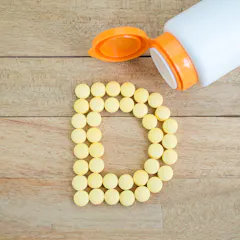
Vitamin D linked to healthier ageing through DNA protection, but experts caution against high-dose supplements.

If you take a vitamin B6 supplement, watch out for these three symptoms.

Overdosing on vitamins and minerals could cause serious health issues.

Why scepticism can be healthier than wellness supplements when it comes to preventing and treating cancer.

Our study found that before pregnancy, nine in ten women had low blood levels of many important vitamins.

In the UK, it’s recommended people aim to get at least 400IU of vitamin D a day.

Injecting anything straight into your bloodstream comes with some big risks, especially if those administering the drips aren’t medically trained.

While most of us aren’t getting enough magnesium, supplements may not be necessary.

Despite the popular belief that vitamin E and beta carotene supplements help prevent heart disease and cancer, the latest research suggests they do not – but the supplements do have potential risks.

Plant-based diets may lack a number of important nutrients, such as vitamin B12 and iodine.

CBD may not be a panacea for your aches and pains – and it certainly isn’t for COVID-19.

A new review of 180 studies found little or no protective effects from taking dietary supplements, and actually found some harm.

The new study on birth defects and vitamin B3 has important implications, but researchers didn’t actually give any of this vitamin to humans.

It is our view vitamin “gummies” that contain food acids, and have a high sugar content, are not medicines consumers need and their sale should be prohibited on public health grounds.

A new multimillion dollar deal between Swisse Wellness and CSIRO has raised questions about the integrity of Australia’s premier scientific research organisation and the motivations behind the deal.

A growing body of research points to the detrimental effect of unhealthy diets and the protective value of healthy diets – along with select nutritional supplements as required – for maintaining and promoting mental health.

Australian parents spend $40 million each year on vitamin supplements for their children. It’s a big number; much smaller is the number of children who actually need them. In 2009, a large American research…
Top contributors
-

Associate Professor in Pharmacy Practice, Kingston University
-
Professor of Biomedical Sciences, Anglia Ruskin University
-
Clinical Affiliate, University of Sydney
-
Post-doctoral Research Fellow, The George Institute; Conjoint Senior Lecturer, UNSW; Owner and Director, Health Technology Analysts, University of Sydney
-
Biomedical Science & Business Student, Monash University
-
Health activist, Medreach Pty Ltd., Bond University
-
Professor & Senior Principal Research Fellow, The University of Melbourne
-
Senior Visiting Fellow, School of Medical Sciences, UNSW
-
Petre Chair in Cancer Biology, Lab Head - Cancer Developmental Biology, Garvan Institute
-
Professor and Matthew Flinders Fellow, Flinders University
-
Professor; NHMRC Clinical Research Fellow; NICM Health Research Institute Deputy Director, Western Sydney University
-
Professor of Epidemiology and Human Development, University of Southampton
-
Research Leader, Personalised Nutrition and Gut Microbiome, Quadram Institute
-
Research scientist, Food Composition and Dietary Assessment, Quadram Institute
-
Chief Scientific Officer and Group Leader, Synthetic Biology and Biosynthetic Pathways, Quadram Institute