
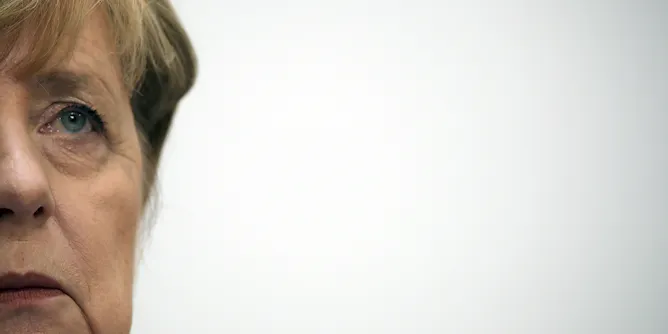
Generations of Germans have worked to create a positive national identity based on difficult self-reckoning with the Nazi era. The recent election attacks that progress.
Articles on Viktor Orbán
Displaying 101 - 120 of 122 articles
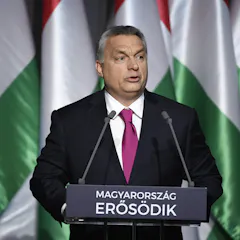
Prime minister Viktor Orbán is quite open about his goal to build an ‘illiberal state’.
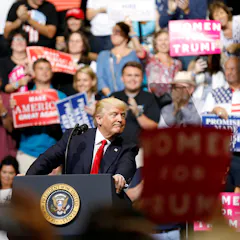
Populist leaders not only attack the institutions of global capital, they also disregard the checks and balances of institutional democracy.
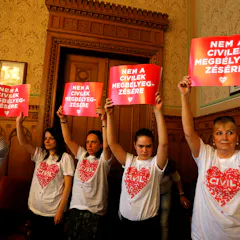
FROM OUR ARCHIVES (UPDATED) Hungary has passed a law monitoring the finances of foreign-funded NGOs, another blow to civil society in Viktor Orban’s increasingly “illiberal democracy”.
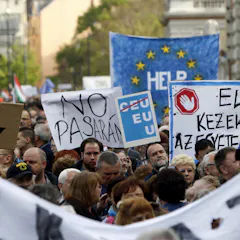
A bastion of liberal values in an illiberal climate.

The Central European University will challenge a law just passed by the Hungarian parliament that could force the closure of the school founded by billionaire philanthropist George Soros.
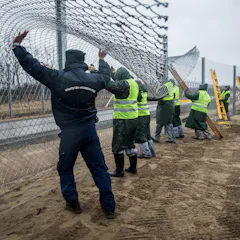
Hungary is to begin detaining asylum seekers in camps made of shipping containers.
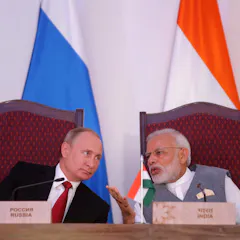
Proponents of inward-looking politics have demonstrated an impressive capacity to exploit the globalisation of the political sphere.
According to German public intellectual Claus Offe, Europe faces multiple crises but is not down and out yet.
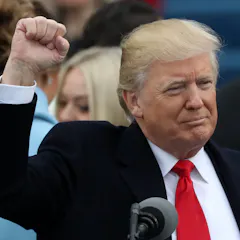
The world is on edge as Donald Trump enters the White House.
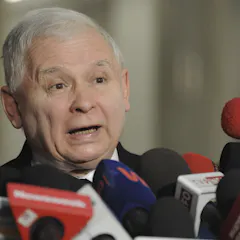
An historian based in Poland sees many similarities between Trump and authoritarian nationalists like Poland’s Jarosław Kaczyński. But the parallels only go so far.
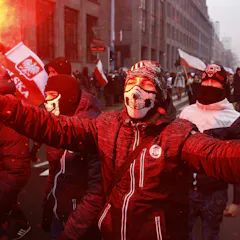
Poland’s women may have won the abortion battle, but the ruling Law and Justice Party is cracking down on dissent elsewhere.
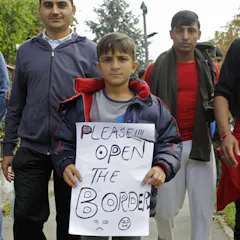
After the Hungarian referendum, a new spectre is haunting the EU: Victor Orban.
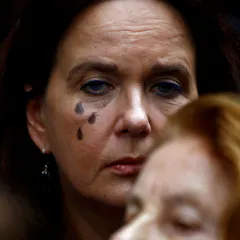
The war on reproductive rights in Central Europe is not a backlash but a key tenet of a new illiberal form of governance.
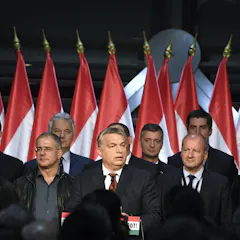
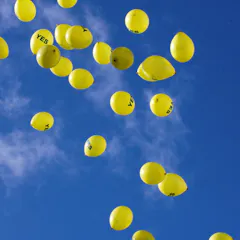
The prime minister has claimed victory in the referendum, despite the low turnout.
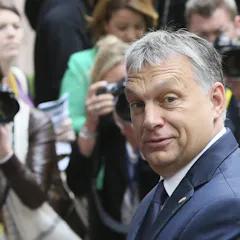
Prime Minister Viktor Orbán has caught referendum fever. He is giving his public a vote on refugee policy in what is being seen as a two-fingered salute to the EU.
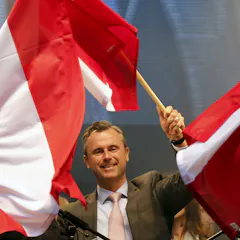
Radical right populists are on the brink of power in Austria and making gains across the region. And the European leaders who once were willing to publicly condemn them are silent now.
Carl Schmitt rejected the Nazis, but his political philosophy paved the way for the likes of Donald Trump and Vladimir Putin.
In the wake of Paris and the Russian jet incident, Europe is facing the mother of all challenges over security and refugees. Where does it go from here?
When they vote October 25 in parliamentary elections, Poles will be taking a dangerous step into the unknown, and the rest of Europe may not be far behind.
Top contributors
-

Professor in International Politics, Glasgow Caledonian University
-
Professor of International Security, University of Birmingham
-
Professor of History, University of Michigan
-
Assistant researcher, University of Sydney
-
Professor of comparitive politics, Georgetown University; Independent Social Research Foundation
-
Professor of Practice in Diplomacy, Fletcher School of Law & Diplomacy, Tufts University
-
Professor in the Department of Government, University of Essex
-
Associate Professor of Political Science and Global Studies, Boise State University
-
Professor of Political Science, Penn State
-
Cultural and Political Sociologist, Université de Liège
-
Senior Lecturer in Czech Studies, University of Glasgow
-
Rosalinde and Arthur Gilbert Foundation Professor of Israel Studies, University of California, Los Angeles
-
Dennis Altman is a Friend of The Conversation.
Vice Chancellor's Fellow and Professorial Fellow, Institute for Human Security and Social Change, La Trobe University
-
Professor of Politics, University of Sydney
-
Professor of Gender Studies, Central European University