
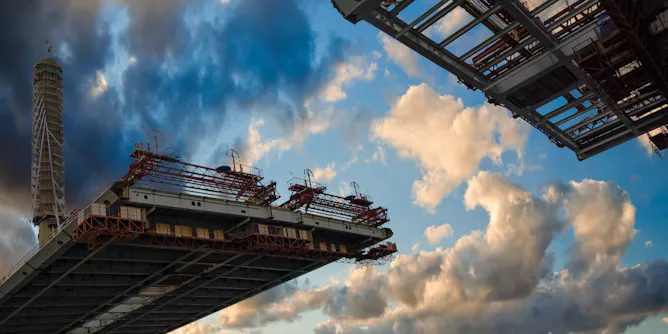
A report released next week argues the real problem with New Zealand’s inadequate infrastructure is not money – it’s the three-year political cycle. We need a 30-year, cross-party national plan.
Articles on Value capture
Displaying all articles
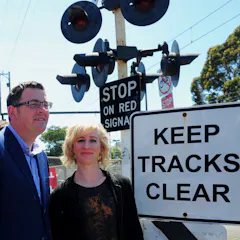
Value capture depends on infrastructure increasing the value of affected areas in the first place. Victoria’s level crossing removal project shows the impact on property values can be significant.
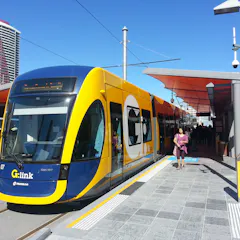
The light rail project pushed up property values within 800 metres of the stations by over 30% from 1996 to 2016. Gains on this scale offer a potential source of finance for public transport.
Consider these home truths: value capture is a tax, it would need to apply to the family home and deciding which areas it covers would be politically contentious. A broad-based land tax is simpler.
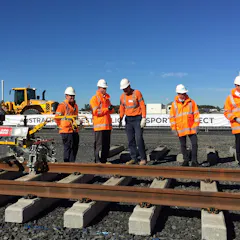
Who’ll profit from the value uplift arising from the huge investment of taxpayers’ funds in creating better-serviced, higher-density suburbs? And what will the changes mean for existing residents?
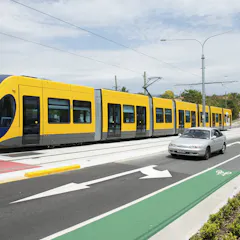
Land value gains following the opening of stage one of the Gold Coast light rail project were worth around 25% of its cost.
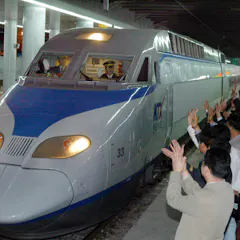
The private consortium CLARA is proposing a high speed rail network between Sydney and Melbourne paid for by value capture but it still relies on the benefits outweighing the costs.
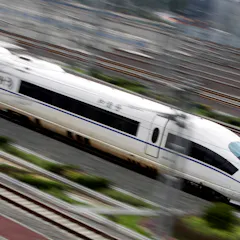
High-speed rail is now a well-established technology and Australia needs it, as long as the project ticks all the boxes needed to deliver both private and public benefits.

Value capture is touted as a way to fund infrastructure, but what actually is it?

Much of the infrastructure Australia needs will be funded by “value capture” – raising tax revenue by boosting land values. Some have decried it as a tax hike in all but name, but it isn’t really.
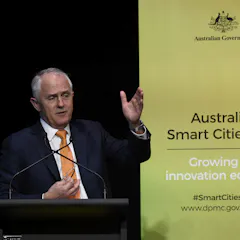
The discussion paper makes all the right noises, but the proof of the policy will be in the detail of partnership arrangements and implementation structures, and in how new money is used.
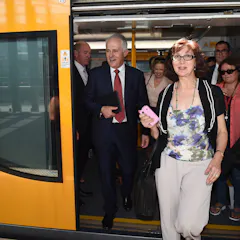
The ‘30-minute city’ goal is about more than urban rail and other transit projects. It means transforming our cities into centres of activity where work, study and services are all close by.
Top contributors
-

Professor of Sustainability, Curtin University
-
Professor, City Futures Research Centre, Faculty of the Built Environment, UNSW
-
Professor of Urban Management & Planning, Griffith University
-
Lecturer in Transport and Logistics Management, University of Sydney
-
Research Fellow, Curtin University
-
Research Fellow - Henry Halloran Trust, University of Sydney
-
Adjunct Professor, School of Engineering and Built Environment, Griffith University
-
Senior Associate, Disability Program, Grattan Institute
-
Transport and Cities Program Director, Grattan Institute
-
Senior Lecturer in Urban Planning, University of Auckland, Waipapa Taumata Rau
-
Professor of Urban and Regional Planning, University of Sydney
-
Associate Professor of Property, UNSW
-
Lecturer in Property and Real Estate, Deakin University
-
Lecturer in Property and Built Environment, University of Sydney
-
Senior Lecturer in Property Economics, Queensland University of Technology