
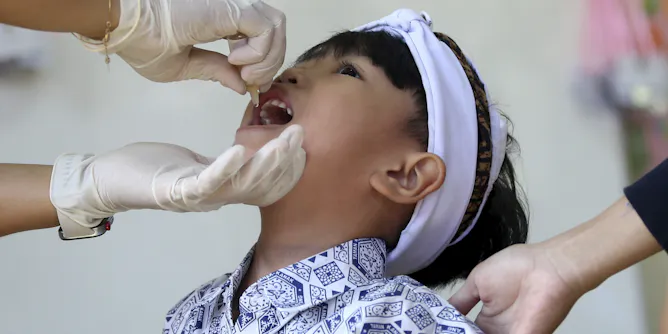
Vaccines have saved more than 154 million lives worldwide over the past 50 years. World Immunization Week is a timely reminder of important ongoing work on vaccines in Canada.
Articles on Vaccine-preventable diseases
Displaying all articles
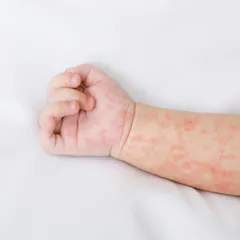
The resurgence of measles and whooping cough is troubling. The most effective way to prevent the return and spread of vaccine-preventable diseases is through vaccination and combating vaccine hesitancy.
Any upsurge in measles is of real concern, but in settings aggravated by poor living conditions and malnutrition, it can be disastrous. It can affect adults, but young children are at particular risk.
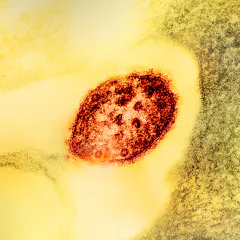
Canada is seeing a surge in measles cases. Find out what measles is, why it’s returning to Canada, and how people can protect themselves and others.

Studies show that health misinformation on social media has led to fewer people getting vaccinated and more lives lost to COVID-19 and other life-threatening diseases.

Tuberculosis is a preventable and curable disease, yet before the pandemic, it killed more people than any other infectious disease.

Over the last two years, routine immunisation services and coverage of essential childhood vaccines have been disrupted.

Machine learning can spot patterns in patient data and help detect hepatitis B earlier, which could save lives.

The pandemic has disrupted national immunisation programmes. As a result, the African continent is seeing more outbreaks of vaccine preventable diseases.
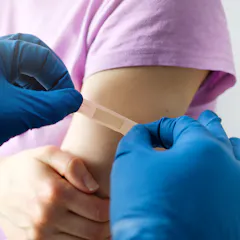
The risk of serious disease outbreaks among NZ children is now very real. Some childhood immunisation rates have dropped from about 80% in early 2020 to 67% by June 2022, and as low as 45% for Māori.
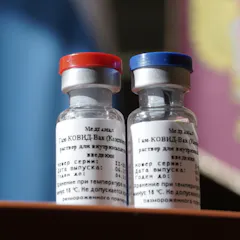
As Russia fast tracks a coronavirus vaccine, scientists worry about skipped safety checks – and the potential fallout for trust in vaccines if something ends up going wrong.
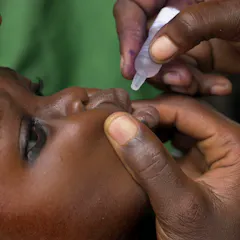
Now is not the time to ease up the prevention effort, or decades of progress could be undone.
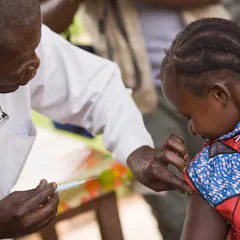
Effective health care interventions are very important for sub-Saharan Africa because the region has a high burden of vaccine-preventable diseases.
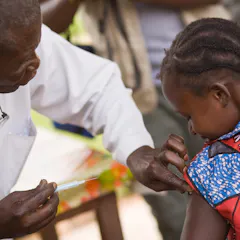
Even when cases of measles are detected in clinics, limited diagnostic and communication infrastructure can delay the response.

Angola’s yellow fever outbreak has been declared a grade 2 emergency by the World Health Organisation.
Top contributors
-

Research Officer / EIDM Specialist, University of Cape Town
-
Associate Professor, University of Canterbury
-
Research Fellow/Lecturer (Adj) | AI/ML Research | Epidemiology & Population Health, Australian National University
-
Principal Medical Scientist (PhD MPH), National Institute for Communicable Diseases
-
Senior Lecturer in Epidemiology, University of Canterbury
-
Adjunct Professor, Faculty of Law, L’Université d’Ottawa/University of Ottawa
-
Associate Professor of Public Health, Boston University
-
Professor of Immunology, Western University
-
Extraordinary Professor, Global Health, Stellenbosch University; South African Medical Research Council
-
Associate Professor and Scientific Director of the O'Brien Institute for Public Health, University of Calgary
-
Adjunct Professor, School of Public Health, University of Alberta
-
Associate Professor in Paediatrics, University of Auckland, Waipapa Taumata Rau
-
Clinical Associate Professor, Cumming School of Medicine, University of Calgary
-
Research Assistant Professor of Epidemiology, University of Michigan
-
Associate Faculty Mycobacteria Research Laboratories, Colorado State University