
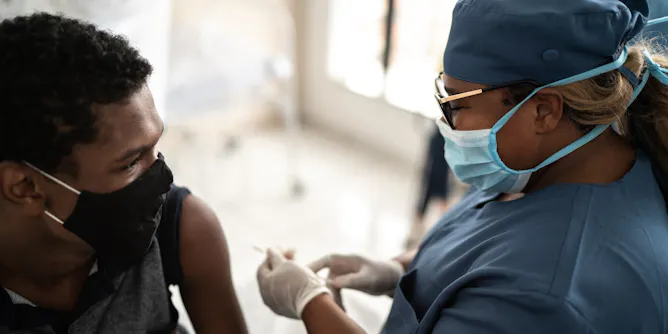
The Pfizer COVID-19 vaccine was recently approved for adolescents ages 12-15. Vaccination is essential to protect children from serious illness and quicken return to normal life.
Articles on Vaccination
Displaying 361 - 380 of 676 articles

Full population-level protection against COVID-19 will require most adolescents and children to be vaccinated. There are ethical arguments for encouraging vaccination uptake through vaccine mandates.

This week’s budget assumes all Australians will have the chance to be fully vaccinated by the end of the year. It’s ambitious but possible.
Public officials are telling us simultaneously to move swiftly on vaccination and also to make thoughtful, reasoned choices about which vaccine we get. These messages are confusing and frustrating.
Canadian public health organizations have run into a serious communication problem about the AstraZeneca vaccine. Crisis management and communication theories explain what’s gone wrong.

From maternity wards to primary care, Canadian researchers are looking to find the positive motivations of vaccine hesitant people, whether they are new parents or other adults.

While Serbia’s Covid-19 infection rate continues to be worrisome, the country has shown the ability to vaccinate a higher proportion of its population than EU nations.
Older adults are assets, but they shouldn’t be commodities.
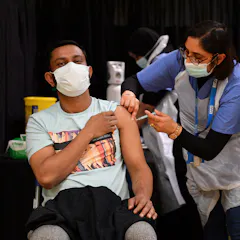
A moral philosopher explains why the ethics of getting or refusing the COVID-19 vaccine are more complex than it might seem.
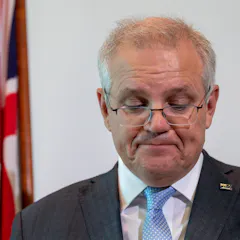
Australia was promised a world-class vaccine program. But instead of a rollout, we got an eekout.
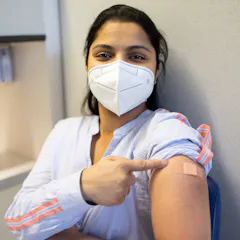
It’s normal for different people to mount stronger or weaker immune responses to a vaccine, but post-shot side effects won’t tell you which you are.

Generally speaking, fault can only be proven when the doctor has acted outside of the professional standard of care.
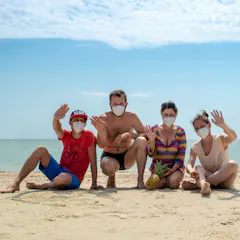
After lockdowns and bans on flying, tourists will have high expectations and demands.
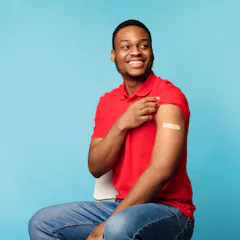
Our well-meaning efforts to use images to help demystify the vaccination process or share our pride in getting a COVID vaccine can backfire.
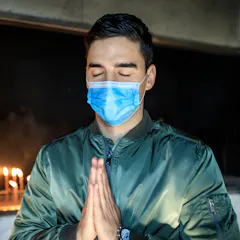
As more people become vaccinated, many of them are eager to resume their social lives. And yet, many are fearful, and some may not want to return to life as they previously experienced it.
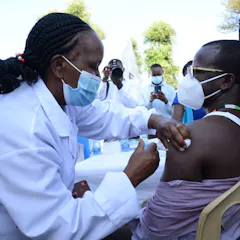
Kenya grapples with two major challenges in the vaccination rollout: access to sufficient doses in light of the global shortage; and vaccine hesitancy.
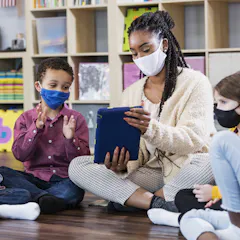
‘Behavior vaccines’ – practices meant to improve safety and well-being – have been around for years. An educational psychologist says they are particularly important for schools to adopt now.
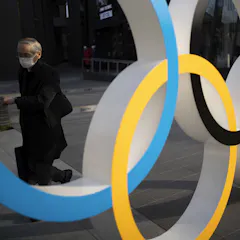
Still in the midst of a global pandemic, the International Olympic Committee’s dream of hosting the Tokyo Games in a “post-corona world” is not possible. But should the Games go ahead at all?
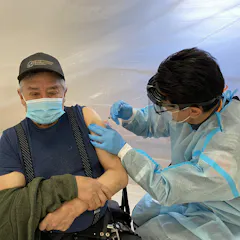
The media reporting on Indigenous vaccine hesitancy is as sensational as it is incorrect. Indigenous people, for the most part, are not more vaccine hesitant than non-Indigenous Canadians.

Because dementia patients are more likely to acquire COVID-19, and because so many live in close-quarter facilities – like nursing homes – it’s critical to vaccinate them as quickly as possible.
Top contributors
-

Professor, Discipline of Paediatrics and Child Health, University of Sydney
-
Professor, The Children's Hospital at Westmead Clinical School and Sydney Infectious Diseases Institute, University of Sydney
-
Professor, School of Public Health, University of Sydney
-
Professor of Infectious Diseases, Monash University
-
Extraordinary Professor, Global Health, Stellenbosch University; South African Medical Research Council
-
Professor of Infectious Diseases and Global Health, University of Sydney
-
Hon Prof, Dept of Child & Adolescent Health, University of Sydney
-
Assistant Professor of Pediatrics, University of Colorado Anschutz
-
Paediatrician and Infectious Diseases Specialist; Clinical Researcher, University of Sydney
-
Professor of Global Biosecurity, NHMRC L3 Research Fellow, Head, Biosecurity Program, Kirby Institute, UNSW
-
Professor, School of Social Sciences, The University of Western Australia
-
Associate Principal Research Fellow, Burnet Institute
-
Professor of Biostatistics and Epidemiology, Adelaide University
-
Honorary Research Fellow, Macquarie University
-
Professor of Paediatrics and vaccinologist, Royal Childrens Hospital, University of Melbourne and Murdoch Childrens Research Institute (MCRI); Associate Dean International, University of Melbourne, Murdoch Children's Research Institute