

Addressing sun exposure misinformation, such as online tanning trends and sunscreen myths, is important, but effective advice about UV protection is crucial, too. ‘No tan, no burn’ is the goal.
Articles on UV rays
Displaying all articles
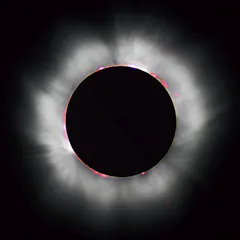
What’s the most impressive natural phenomenon known to humankind? Probably a solar eclipse! Here’s a brief overview ahead of this summer’s big celestial event.
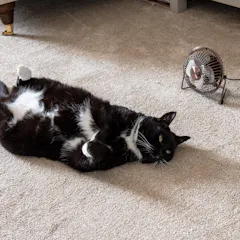
Sunburn and skin cancer in pets explained.
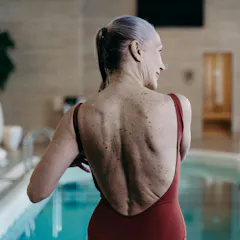
A big freckle or a sunspot? A flat mole or a dark freckle? Here’s how to tell the difference between the three – and when to get a spot checked for skin cancer.

When it comes to blocking harmful UV rays, not all windows are equal. Sometimes you’ll need extra protection.

A new study has linked higher levels of air pollution to a reduced risk of developing melanoma, but an oncologist warns that the results may be misinterpreted.
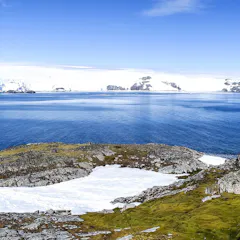
Four years of persistent ozone holes have sparked concern about what more UV is doing to Antarctic ecosystems.
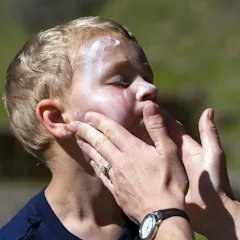
Being severely sunburnt as a child more than doubles the chance of developing future skin cancer but less than half of primary schools questioned in new research have a sun safety policy.

Some parts of North America will witness a total solar eclipse in April 2024. This may seem far away, but you should think about preparing for this rare and fascinating phenomenon.

Our ancient ancestors didn’t have clothes or houses – but that constant exposure to the sun helped their skin protect itself from the worst sun damage.
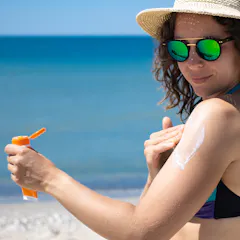
Different sun creams work in different ways and protect against different ultra violet rays.
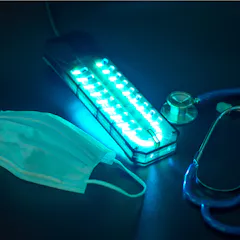
UVC radiation is effective for disinfecting objects and surfaces. It could help manage the coronavirus pandemic and fill gaps in PPE supplies.

An expert explains all the wonderful ways the atmosphere protects life on Earth.

UV ratings indicate risk of skin damage – but they’re based on pale skin. New wrist bands designed for six different tones of skin provide a more personalised way to track safe UV exposure.
Scientists have long thought that regions of DNA called telomeres control how long you live. We are now learning that it is your diet and lifestyle that shape your telomeres, not the other way around.

Why was one gene mutation that affects hair, teeth, sweat glands and breasts ubiquitous among ice age Arctic people? New research points to the advantage it provided for ancestors of Native Americans.

The internet conspiracists are half right: most lights we have inside do emit UV, but not enough to harm us.
Top contributors
-

Professor, ARC Future Fellow & Founding Director, Sir Ian Potter NanoBioSensing Facility, RMIT University
-
Lecturer/Group Leader, Macquarie University
-
Research Assistant, University of Pittsburgh
-
Associate Professor, Genomics and Molecular Biology, Biomedical Sciences, Bond University; Murdoch University
-
Professor of Biosecurity and Deputy Vice Chancellor of Global Engagement, Murdoch University
-
Research Professor, National Research Center on Human Evolution (CENIEH), Spain, and in the United States, Professor, University of California, Berkeley
-
Evan Pugh University Professor of Anthropology, Penn State
-
Australian Laureate Fellow, Distinguished Professor, Deputy Director of ARC Securing Antarctica's Environmental Future (SAEF), University of Wollongong
-
Postdoctoral fellow, Colorado State University
-
Lecturer and Researcher, Harry Butler Institute, Murdoch University
-
Professor of Atmospheric Chemistry, University of York
-
Honorary Adjunct Associate Professor, Health Sciences and Medicine, Bond University
-
Senior Research Officer in Health Data Science, Swansea University
-
Reader, Department of Pharmacy & Pharmacology, University of Bath
-
Professeur Titulaire. École d'optométrie. Expertise en santé oculaire et usage des lentilles cornéennes spécialisées, Université de Montréal