
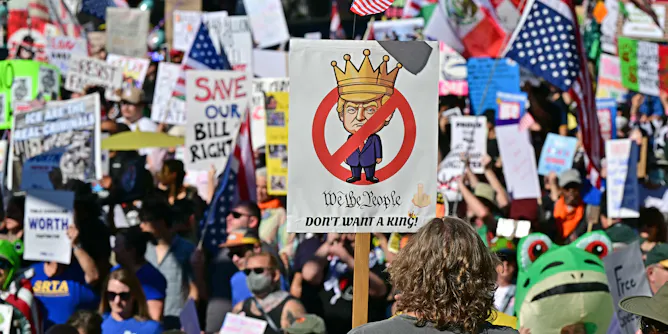
History suggests that boycotts are uniquely suited to expand public participation enough to spur political change.
Articles on US protests
Displaying 1 - 20 of 30 articles

When protesters experience repression and violence, whether or not they have legal education can help determine continued involvement in a protest movement.
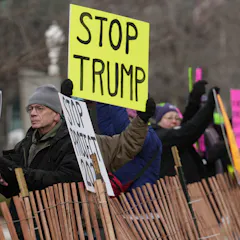
The ‘No Kings’ protests have been important, but smaller, more sustained acts of resistance have proven successful in other countries around the world.
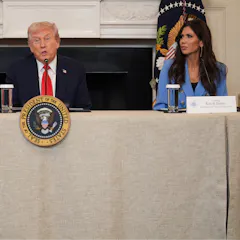
Kristi Noem’s claim that antifa is like the Islamic State group blurs the line between protest and terrorism – a political move unsupported by evidence.
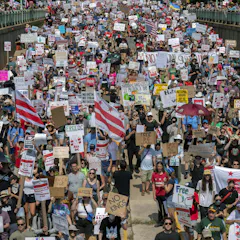
Anger at the other side, as represented by the political party opposing yours, is a powerful motivator to engage in protests.

Americans of Japanese heritage have been protesting at recent Ice tactics.

Engaging early and often resulted in less violent protests, according to the authors’ survey of college campuses.

White Americans, especially older citizens, tend to be more bothered than Black Americans or Latinos by demonstrators waving Mexican flags – and even US flags – during protests.
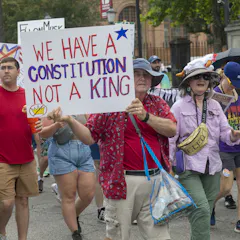
Protests can serve two opposing purposes. They can represent a mass movement in favor of democracy – and simultaneously serve a nascent dictator in their efforts to undermine democracy.
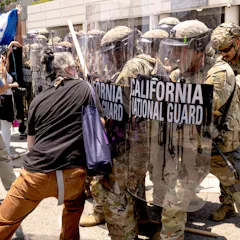
The Trump v California governor battle is likely to cement or undermine long-term public support for one of them. It’s not yet clear which.
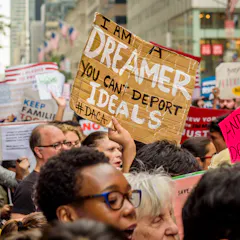
Pushback works.

At least one positive came out of the racial protests during the Vietnam War era – the emergence of Black studies programs on college campuses.
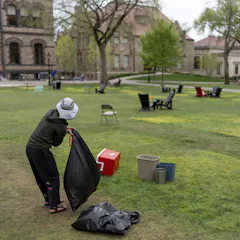
In most cases, it’s reasonable to expect that groups of protesters will abide by the law. But there are times when doing so diminishes the effectiveness of the protests.
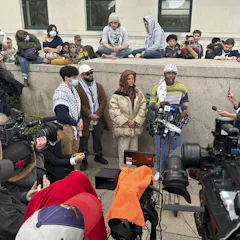
Analysis shows news stories on pro-Palestinian demonstrations at US universities spiked when they involved clashes.
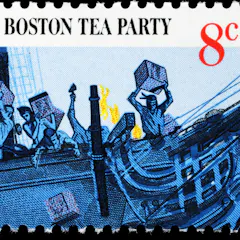
Two and a half centuries later, some things haven’t changed.
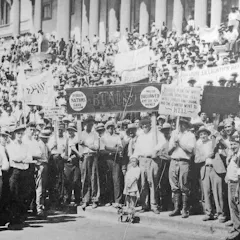
Thousands of volunteers joined the military during World War I. But when the war ended and the Great Depression began, the volunteers wanted a bonus to be paid in 1932, not in 1945 as planned.
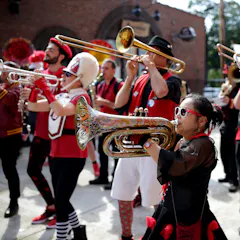
Organizers across the US are finding innovative grassroots strategies for helping people thrive. Many of these ventures emphasize working together as part of communities and collective systems.
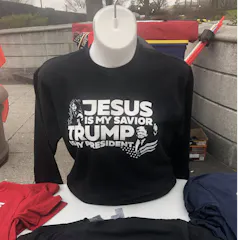
Thousands gathered to express their collective identity and desire to preserve the nation’s political and religious heritage – and to uphold what they saw as the rightful outcome of the 2020 election.
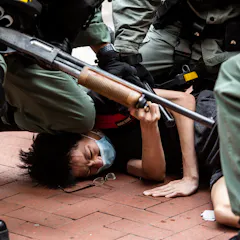
All of the 39 countries human rights experts tracked in 2020 experienced a decline in human rights. It’s not yet clear whether countries will quickly bounce back as the pandemic eases.

College presidents worked both at the forefront and behind the scenes in fighting for African Americans’ civil rights in the 1960s.
Top contributors
-

Professor of Journalism, Michigan State University
-
Professor of Anthropology, University of North Carolina – Charlotte
-
Associate Professor of Sociology; Co-Founder, Center for Environmental Justice at CSU, Colorado State University
-
Professor of Politics and Global Studies, Arizona State University
-
Professor, Department of Global Studies, University of North Carolina – Charlotte
-
Professor of Theological Studies, Loyola Marymount University
-
Associate Professor, School of Government and International Relations, Griffith University
-
Associate Professor of Political Science, University of Missouri-St. Louis
-
Associate Professor of Business, Boston University
-
Professor of Musicology, Arts Leadership & Entrepreneurship, University of Michigan
-
Assistant Professor of International Development, UMass Boston
-
Associate provost, professor of politics, University of San Diego
-
Associate Professor of Higher Education and History, University of California, Los Angeles
-
Professor of Critical Race and Ethnic Studies, Miami University
-
Reader in Postcolonial Studies, Liverpool John Moores University