
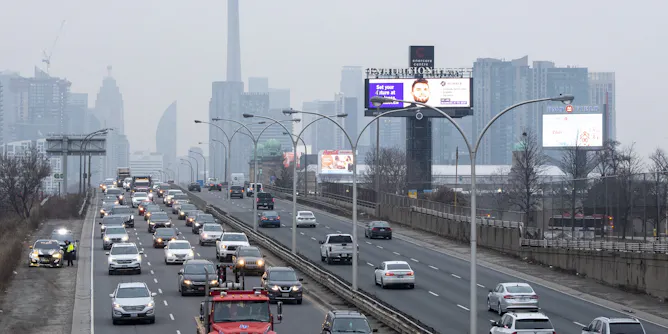
Resilient urban mobility can be created by giving people options that ensure they can still move around when a shock affects one form of transportation.
Articles on US-Israel strikes on Iran
Displaying 1 - 20 of 22 articles
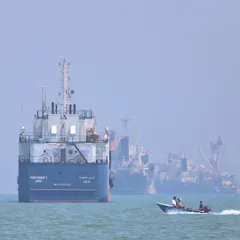
A peace deal has reopened the Strait of Hormuz, but insurance premiums, mine clearance and a container shortage across two continents suggest the disruption is far from over.
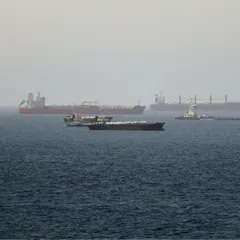
Trump urged ships to return to the Strait of Hormuz and “let the oil flow”. But it’s not that straightforward.
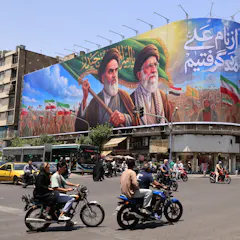
Iran has emerged with its uranium enrichment knowledge intact, its stockpile buried and fresh reason to believe that only a nuclear weapon would have deterred the US-Israel attack.
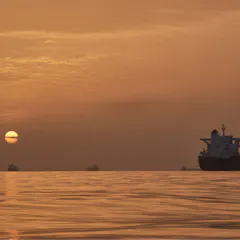
The Strait of Hormuz is closed for the first time in the life of the Islamic Republic. Restoring the brake requires a credible diplomatic offer from the West.

With Air Canada and WestJet cutting routes and raising fares, Canadian travellers face a summer of compressed options and rising costs.
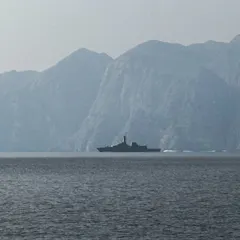
The pivotal waterway is much more than a global economic choke point. It is a politically and culturally dynamic region with its own dangerous undercurrents.

Rising oil and fertilizer costs linked to Middle East tensions could affect food prices, but the effects will vary across products and may take time to fully emerge.

Fuel shortages are rising worldwide, and some countries have started rationing fuel. Wartime rationing offers a model for managing scarcity more fairly.
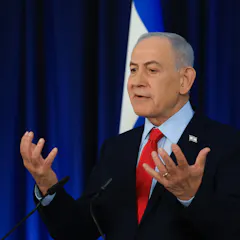
The war in the Middle East is a huge political book for the Israeli prime minister in an election year – but it may come at a great cost.
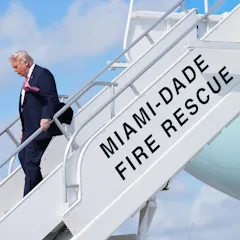
Donald Trump will probably lean into his rhetorical strengths and try to convince Americans the U.S. has won in Iran when it hasn’t.
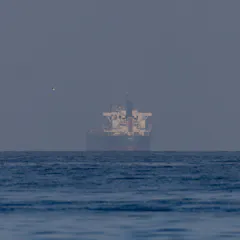
The government must weigh complex moral, legal and political questions before committing to any military involvement in defending the Strait of Hormuz.
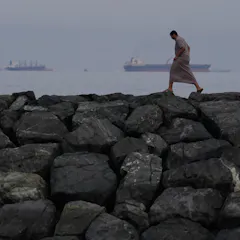
Rising tensions between the United States, Israel and Iran have sent oil prices surging. While households and governments face higher costs, parts of the fossil fuel industry stand to gain billions.
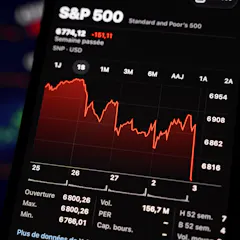
The cumulative return on a typical KiwiSaver growth fund since 2007 is around 240%. That’s despite a global financial crisis, COVID, trade wars and inflation.
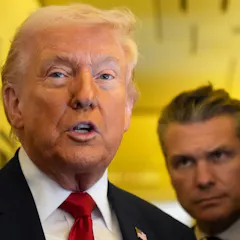
With midterm elections looming and cost of living pressures biting, Americans have little patience for being involved in a foreign war they don’t understand.
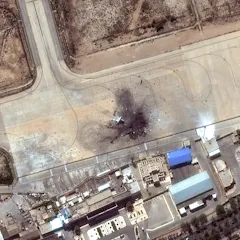
A new treaty on military space operations is highly unlikely, leaving private companies and militaries to define the boundaries of acceptable conduct in war.

Oil shocks create winners and losers, but the Canadian dollar no longer softens the blow the way it once did.
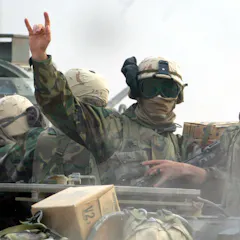
More than 20 years after the US military success in Iraq, the outcome of the US effort at regime change wasn’t as expected, and authoritarians with close ties to Iran now rule the country.
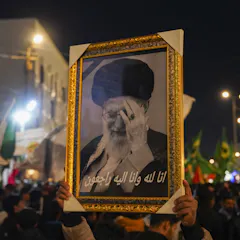
Hero and martyr to some, villain and oppressor to others, reactions to Ali Khamenei’s death mirror deeper fault lines within the Muslim world.
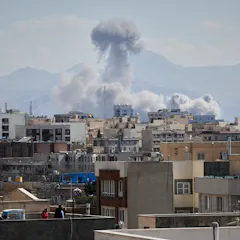
Even if the U.S. and Israel succeed in bringing about regime change in Iran, they may create an even worse geopolitical situation.
Top contributors
-

Assistant Professor, Operations Management, McMaster University
-
Senior Lecturer in International Relations, University of Pennsylvania
-
Associate Professor and Edward and Emily McWhinney Professor in International Relations, Simon Fraser University
-
Sessional Academic in International Relations, Political Science and Legal Studies, University of the Sunshine Coast
-
Senior Lecturer in Politics and International Relations, University of the Sunshine Coast
-
Research Fellow, Middle East Studies, Deakin University
-
Associate Professor, School of Business, MacEwan University
-
Senior Lecturer in Law, University of Waikato
-
Associate Professor in American Politics and Foreign Policy, US Studies Centre, University of Sydney
-
Professor of Finance, Auckland University of Technology
-
Professor, Geography Department and School of Public Policy & Global Affairs, University of British Columbia
-
Professor of Law, University of Waikato
-
Director of the Ethics, Society and Law Program; Academic Director of the Ideas for the World Program, University of Toronto
-
Lecturer, Department of Government and International Relations, University of Sydney
-
PhD student at School of Environment, Resources and Sustainability, University of Waterloo