
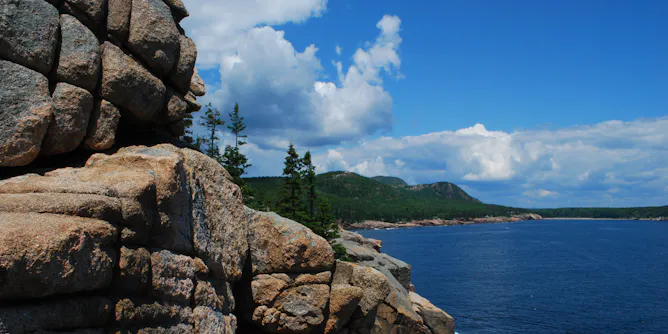
US national parks protect some of America’s most spectacular outdoor settings. But new research shows that ozone pollution levels in the parks are roughly as bad as in major cities.
Articles on US environmental policy
Displaying 21 - 40 of 52 articles
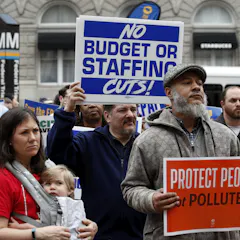
Government agencies are supposed to listen to the industries they regulate, but what if they tune out everyone else? Scholars call this regulatory capture, and some staffers see it happening at EPA.
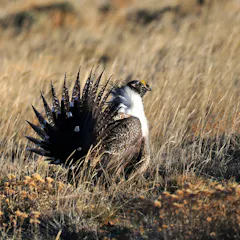
The Trump administration is reopening a plan negotiated under President Obama to protect Western sage grouse. This could signal to states not to bother working together to protect other endangered species.
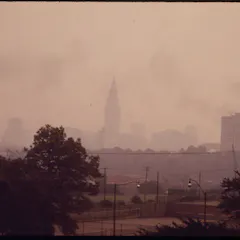
EPA Administrator Scott Pruitt wants to change the grounds for setting US air pollution targets. An environmental lawyer explains why Pruitt’s approach misreads the law and could roll back decades of gains.
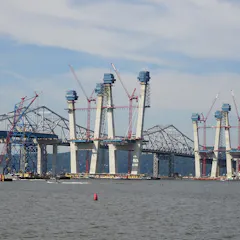
Do environmental reviews delay large-scale projects? The Trump administration says yes, but studies show that these reviews lead to better results and can even save time and money.
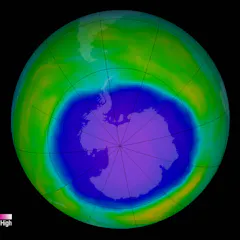
Earth’s ozone layer shields us from harmful ultraviolet radiation. Nations have been working to reduce ozone-depleting chemicals since the 1980s, but recent studies show that there is still work to do.
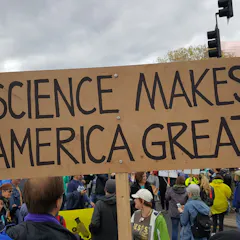
The March for Science on April 14 and Earth Day on April 22 are likely to generate big crowds demonstrating against Trump administration policies. Here are some issues they’ll be marching about.
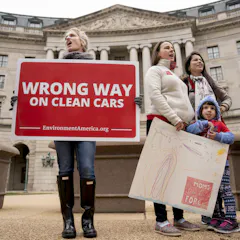
An academic suing the EPA over its decision to bar certain scientists from serving on advisory boards says the EPA needs to address legitimate criticisms to rebuild after Pruitt.
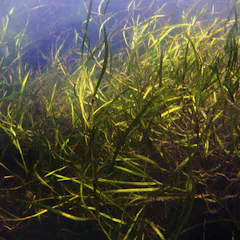
An ambitious plan to cut the flow of nutrients into the Chesapeake Bay has produced historic regrowth of underwater seagrasses. These results offer hope for other polluted water bodies.

Congress is moving to cut back the Endangered Species Act and give more power to states. But a recent study shows that state laws are weaker and states have few resources to protect species at risk.
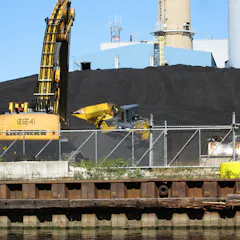
A recent study shows that large piles of coal produce measurable quantities of fine particulate air pollution within a 25-mile radius. Covering coal trains and storage piles could reduce the problem.

Trump administration officials argue that states can regulate more effectively than the federal government. But without leadership from the top, federalism may allow red states to avoid acting.

Nitrogen and phosphorus are polluting US waters, creating algae blooms and dead zones. New research confirms that voluntary steps are failing in the Gulf of Mexico and unlikely to work in Lake Erie.
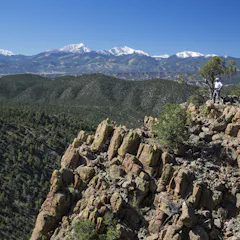
Within the next month, the Trump administration may move to abolish or shrink up to two dozen national monuments. Our experts explain why these sites matter and whether presidents can undo them.
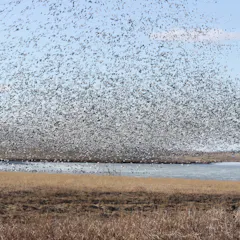
The Clean Water Rule spells out which streams, wetlands and other water bodies receive federal protection. The Trump administration wants to repeal it, but will face high hurdles in court.

Defiant against Trump’s policies on immigration and environment, California finds itself defending its way of life – the California Dream itself.
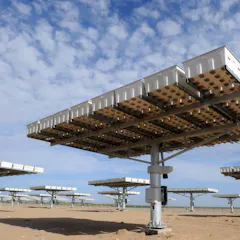
As President Trump pulls the US out of the Paris climate accord, China is cutting pollution and dominating clean energy manufacturing. Now it can claim global leadership for those actions.
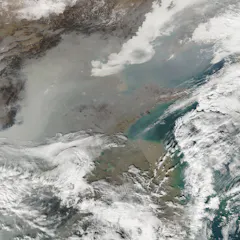
New research shows that importing goods from low-wage countries has helped US manufacturers shift production to less-polluting industries, produce less waste and spend less on pollution control.
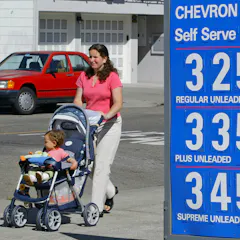
An extensive amount of research has shown a direct link between air quality and fetal and infant health. Cleaner air has saved lives – and money.
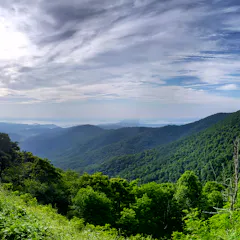
Forests are valuable for many uses, including timber, clean water, wildlife habitat and recreation. Stresses on U.S. forests include wildfires, pest invasions and development of private lands.
Top contributors
-

Professor of Law Emeritus, Vermont Law & Graduate School
-
Visiting Professor of Law and Environmental Affairs, Indiana University
-
Cecil D. Andrus Endowed Chair for Environment and Public Lands and University Distinguished Professor, Boise State University
-
Provost Professor of Economics and Spatial Sciences, USC Dornsife College of Letters, Arts and Sciences; Institute for Humane Studies
-
Executive Director, Sabin Center for Environment and Sustainability, Wake Forest University
-
Professor of History, University of Idaho
-
Professor of Political Science and Founding Director, Center for Environmental Politics, University of Washington
-
University Professor, Leonard Davis School of Gerontology, University of Southern California
-
Clinical Professor of Law, University of California, Irvine
-
Professor of Environmental Law, University of Maryland
-
Assistant Professor of Applied Economics, Cornell University
-
Postdoctoral Fellow, University of California, Santa Barbara
-
W. M. Keck Professor of Environmental Analysis and History, Pomona College
-
Professor of Marine Science and Vice President for Science Applications, University of Maryland Center for Environmental Science
-
Associate Professor, Watts College of Public Service and Community Solutions and Co-Director, Center for Emergency Management and Homeland Security, Arizona State University