
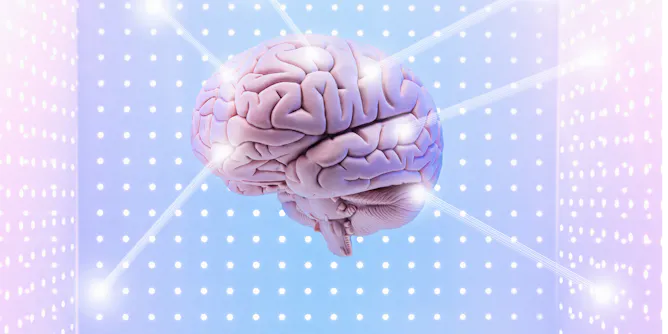
Deep brain stimulation can help some people with treatment-resistant depression feel better, but it can be unclear whether a bout of low mood is a relapse or a bad day.
Articles on US BRAIN Initiative
Displaying all articles

From figuring out where memories are stored to how sensory information translates to behavior, new technologies are helping neuroscientists better understand how the brain works.

Many people with epilepsy are unable to remember what happened immediately before they have a seizure. This may be because seizures and memory use the same pathways of the brain.

Understanding how the brain translates smells into behavior change can help advance search and rescue technology and treatments for neurological conditions.
Understanding where and how memories are formed could lead to more ways to treat conditions like PTSD and addiction.
Understanding how brain folding works could help researchers better diagnose and treat neurodevelopmental disorders.
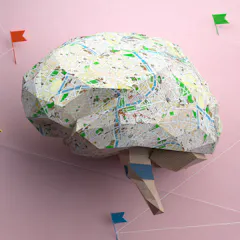
Scientists have been mapping the brain for centuries. New visualization tools bring them one step closer to understanding where thoughts come from and new ways to treat neurological disorders.
Top contributors
-

Professor of Neuroscience and Neurology, University of Virginia
-
Professor of Biological Sciences and Biomedical Engineering, USC Dornsife College of Letters, Arts and Sciences
-
Associate Professor of Neural and Behavioral Sciences, Penn State
-
Assistant Professor of Neuroscience, California Institute of Technology
-
Trustees of ASU Professor, Arizona State University
-
Postdoctoral Fellow in Neurology, University of Virginia
-
Provost and Senior Vice President, Lehigh University
-
Assistant Professor of Computer Science, Binghamton University, State University of New York
-
Professor of Civil, Environmental and Architectural Engineering, University of Colorado Boulder
-
Assistant Professor of Mechanical Engineering, Binghamton University, State University of New York
-
Professor of Electrical and Computer Engineering, Georgia Institute of Technology
-
Project Manager of the NSF NeuroNex Odor2Action Network, University of Colorado Boulder
-
Research Scientist in Electrical and Computer Engineering, Georgia Institute of Technology