
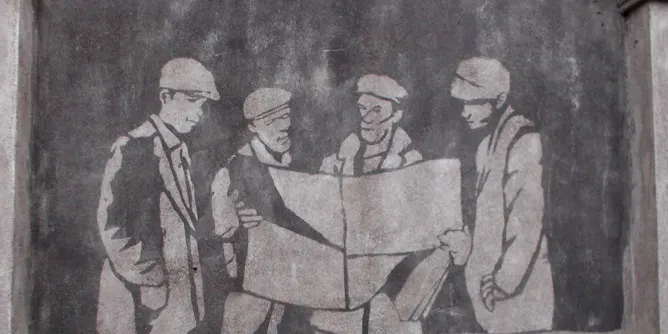
Over the past 15 years, community groups in a rundown inner-city district have created public murals as part of a successful process of reversing decades of stagnation.
Articles on Urban renewal
Displaying 41 - 60 of 62 articles

The Melbourne suburb of Richmond is prime inner-city real estate, but the community is paying a price for redevelopment that jars with the existing neighbourhood.
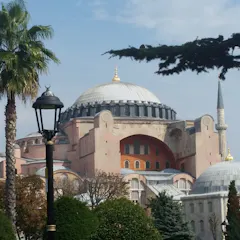
Adaptive reuse and recycling of heritage architecture may be all the rage, but are not new. Making new buildings from old has a long history in the ancient world.

The people of Geelong are connecting with their industrial past as the city undergoes a community-led creative transformation.
Big ideas and big dollars have been invested in making ‘memorable’ places. Paradoxically, as similar solutions are adapted in diverse settings worldwide, this can lead to an uneasy new placelessness.

Who’ll profit from the value uplift arising from the huge investment of taxpayers’ funds in creating better-serviced, higher-density suburbs? And what will the changes mean for existing residents?
When municipal or state governments join forces with smaller creative communities to shape urban regeneration the results can be far-reaching.
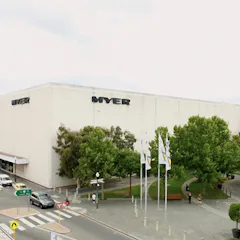
The rise in temporary use of urban space requires a looser planning vision that can draw on this new type of city-making to inform longer-term developments.
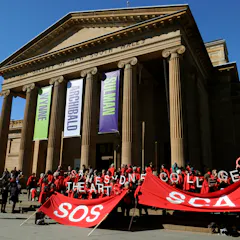
Art schools are emerging globally as very powerful instruments of urban renewal. In a time of transformation, Sydney must learn to tap into the value of having multiple art colleges.
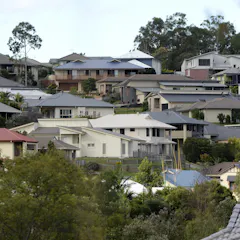
Given its flagship status, the Logan public housing project’s abandonment could be a serious setback for Australian housing and urban policy.
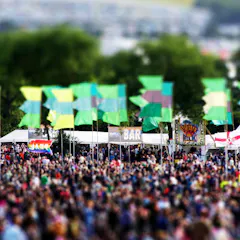
Forget the main stage headliners, the real festival heroes might be selling you crocodile burgers and mango smoothies.
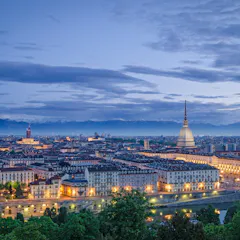
The likes of Sheffield, Bilbao and Leipzig have staged a spectacular comeback.
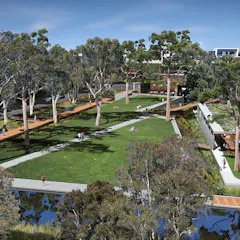
The Green Square urban renewal area – expected to be Sydney’s most densely populated area by 2030 – represents a new paradigm of urban living.
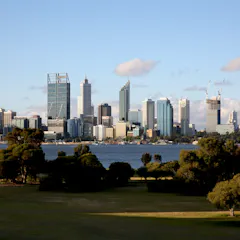
With a strategic plan adopted, it not only shows where development should be avoided but clears the way for development in other areas. So Perth needs to get it right.
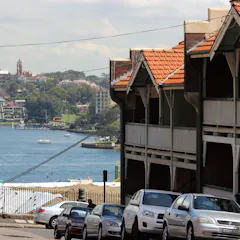
The NSW government agenda would deny the ‘right to the city’, that network of diverse communities, practices and places which give rise to the convivial and inclusive potential of cities.
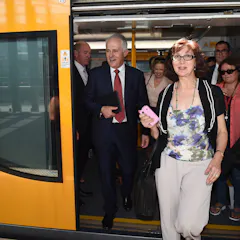
The ‘30-minute city’ goal is about more than urban rail and other transit projects. It means transforming our cities into centres of activity where work, study and services are all close by.
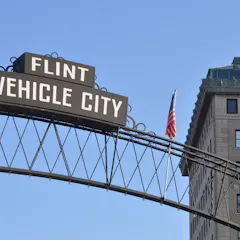
The state takeover and fiscal crisis in Flint hamstrung city managers, making it hard to provide basic services like water.
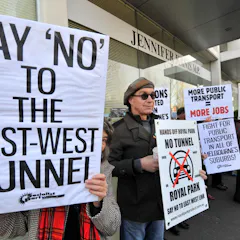
Communities want urban policy to deliver the right projects at the right time in the right place. Governments should embrace local citizens and interest groups as key players in crafting such policy.
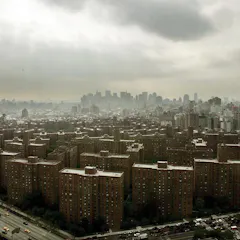
Sure, a chunk of Stuyvesant Town’s units will remain affordable for 20 years. But what happens after that?
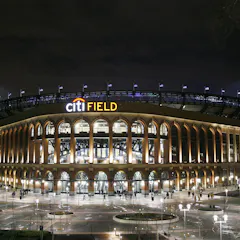
TV ratings are down, but the rebirth of the ballpark could be a reason that the sport still boasts the highest total attendance of any in the world.
Top contributors
-

Professor and Chair of History of Art, Vanderbilt University
-
Professor, Faculty of Design and Society, University of Technology Sydney
-
D'harawal Knowledge Keeper, PhD Candidate and Lecturer, School of Architecture, University of Technology Sydney
-
Professor of Sustainability, Curtin University
-
Assistant Professor, Acadia University
-
Associate Professor, International Studies and Global Societies, University of Technology Sydney
-
Honorary Senior Fellow in Urban Geography and Planning, The University of Melbourne
-
Assistant Professor of Planning and Urban Planning, Université Gustave Eiffel
-
Senior Lecturer in Planning, The University of Queensland
-
Head of Urbanism and Associate Professor of Urban Studies, School of Architecture, Design and Planning, University of Sydney
-
Director, Preservation Studies Program; Professor, History of Art & Architecture; Professor, American and New England Studies, Boston University
-
Research Assistant, Centre for Urban Research, RMIT University
-
Professor of Economics, Michigan State University
-
Professeur des universités, Université Paris 1 Panthéon-Sorbonne
-
Professor of Cultural Economy, Adelaide University