
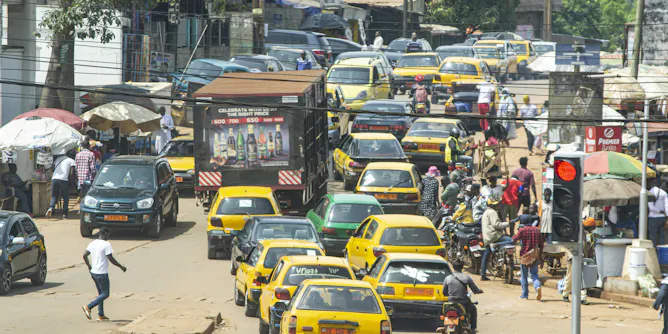
Every city is different but they can learn from each other.
Articles on Urban health
Displaying all articles

While trees are beautiful and benefit the environment, the most practical argument for planting more is that they provide a clear public health benefit, both in the preventive and therapeutic sense.
Conspiracy theories about urban planning are born of a national context in which public transport provision is failing
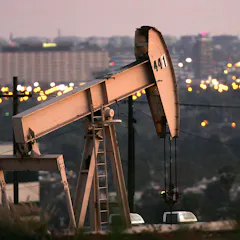
The Los Angeles area has over 20,000 active, idle or abandoned oil wells. The city and county have voted to ban new ones after studies showed health problems in residents living nearby.
After living one of the hottest summers in European history, we have to look to the population suffering these temperatures. How does heat affect our physical and mental health?
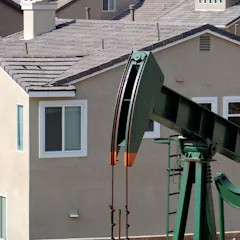
Photos from the early 1900s show LA’s forests of oil derricks. Hundreds of wells are still pumping, and research shows how people living nearby are struggling with breathing problems.
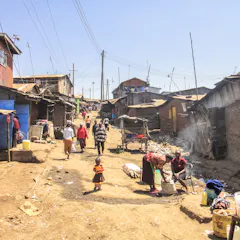
Urban poverty is having an adverse impact on the health of mothers and children.

In cities across Europe, 62% of the population doesn’t have access to the amount of nature the World Health Organisation recommends.
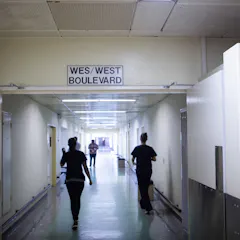
The study of two hospitals was a first for researching the microbiology of the built environment in South Africa – a multi-disciplinary approach to understanding how to design healthier buildings.

Cities can learn from past pandemics to see how communities and lifestyles are shaped by outbreaks.
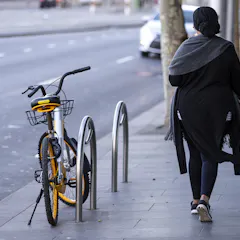
Dockless or stationless bike sharing is risky business, relying a bit too much on common decency. Bike sharing schemes can work, but they may need to forego user convenience for bike safety.
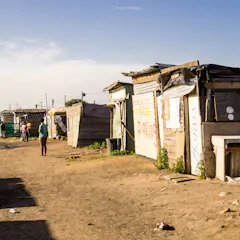
Health and demographic surveillance systems are important to understand people and the societies that they live in.
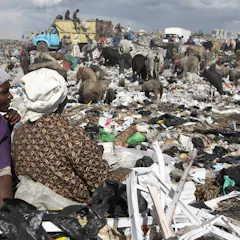
Only a quarter of Nairobi’s solid waste reaches the main dumpsite east of the city. Piles of uncollected garbage are a common sight across the capital.
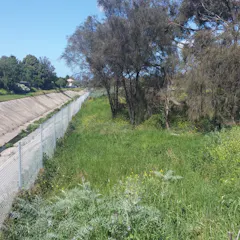
Residents often have concerns about informal green space but some still use it. Work to enhance these areas should aim to resolve these concerns without destroying what residents do value.

Faecal transplants and virtual nature are technological solutions to ‘nature deficit disorder’ from urban living. Such ‘quick fixes’ offer some benefits, but are no substitute for the real thing.

Australians are losing the backyards that once served as retreats from the stresses of city living. Our health is likely to suffer as cities become less green and much hotter.
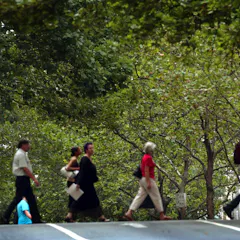
Greening cities that are becoming denser is a major challenge. City-dwellers’ health benefits from both well-designed green spaces and urban density, so we must manage the tensions between them.
Top contributors
-

Associate Professor of Environmental and Occupation Health, University of California, Irvine; University of Southern California
-
Professor, Environmental Studies Program at UC Santa Barbara
-
Head of Urbanisation and Wellbeing, African Population and Health Research Center, African Population and Health Research Center
-
Senior Lecturer in Environmental Management, University of Tasmania
-
Professor, Centre for Urban Research, School of Global, Urban and Social Studies, RMIT University
-
Associate Research Scientist, African Population and Health Research Center
-
Senior Research Fellow, Healthy Liveable Cities Group, Centre for Urban Research, RMIT University
-
Professor, Director Australian Urban Observatory, Centre for Urban Research, RMIT University
-
Research Fellow, School of Medicine, The University of Queensland
-
Research Assistant, School of Ecosystem & Forest Sciences, The University of Melbourne
-
Adjunct Senior Teaching Fellow in Urban Planning and Design, The University of Western Australia
-
Professor of Human Geography, The University of Queensland
-
Associate professor, Universidad de Alcalá
-
Research scientist, African Population and Health Research Center
-
Postdoctoral Research Scientist, African Population and Health Research Center