
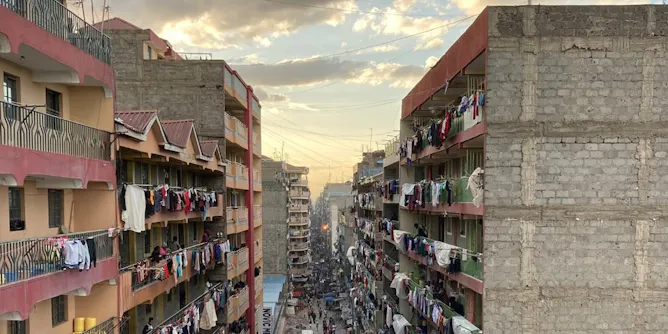
Men and women experience and try to cope with stress in diverse ways.
Articles on Urban densification
Displaying 1 - 20 of 26 articles
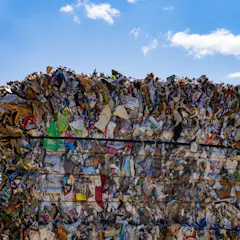
We don’t recycle enough! Cities, as the main sources of consumption and waste production, are strategically positioned to reverse this trend.

There are many good reasons to reform zoning, but reducing the cost of housing is definitely not one of them. Other strategies are far more effective in achieving this goal.
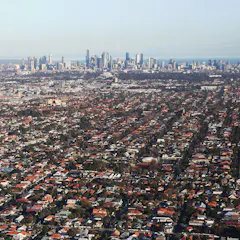
Despite adopting the goal of creating medium-density neighbourhoods to end urban sprawl, our cities have struggled to achieve it. Confused debates about ‘good density’ are part of the problem.
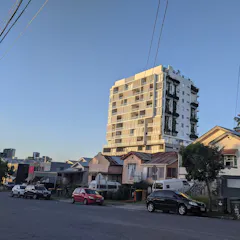
Simply rezoning land for higher density is not enough to achieve the planning goal of transforming low-density and car-centric neighbourhoods into mixed-use and walkable neighbourhoods.

Urban green spaces are threatened by growing cities. But research shows the importance of protecting access to nature as housing densification increases.
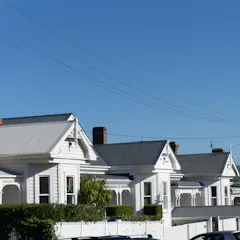
The debate over new urban density rules is further dividing an already divided city. The challenge for Auckland is to stop social and spatial fragmentation being baked into its character forever.
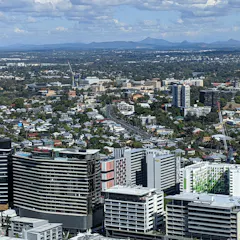
Brisbane City wants to preserve backyards, but they account for much of the open space lost to development under policies that also aim to increase housing density in existing urban areas.
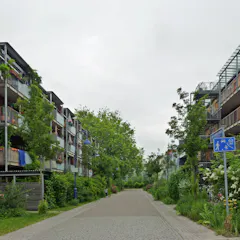
The neighbourhoods of Paris, Barcelona and Amsterdam with densities 3-5 times those of Melbourne and Sydney offer an insight into how we could transform our cities for the better.

Residents of the ‘leafy suburbs’ will continue to fear what they might lose to increasing urban density without an explicit planning approach that enhances green space in affected neighbourhoods.
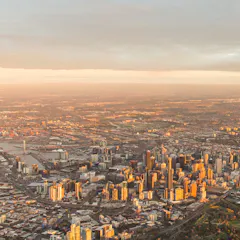
The demands on land and resources from our fast-growing cities are unsustainable, as are the wastes they produce. Yet still our leaders act as if unlimited growth is possible.
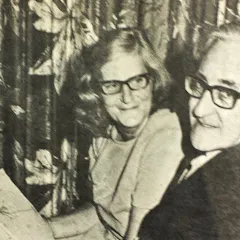
Ruth and Maurie Crow were early advocates of the compact city. They also warned 50 years ago that a clear justice intent was needed to shape cities for their citizens rather than vested interests.
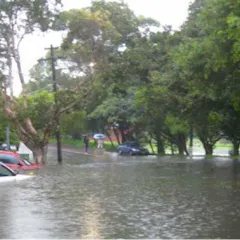
A massive residential development in a flood-prone inner-city suburb sounds like a recipe for disaster. But good urban design can deliver higher density and reduce the flood risk.
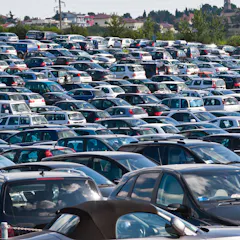
Cities around the world are starting to rethink the vast areas of land set aside for parking. The convergence of several trends likely will mean this space becomes available for other uses.
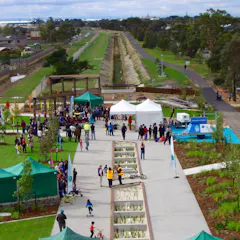
Tree plantings are making a visible difference to Melbourne’s west. It’s the result of a collaborative model of greening, one that Australian cities need to apply more widely.

New research has found a marked increase in people, particularly among women over 50, who are building or want to build a tiny house. However, inflexible planning rules often stand in their way.
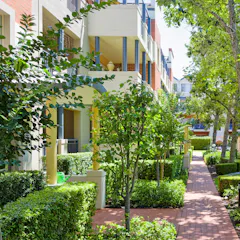
Being crowded into poor-quality high-density units harms residents’ health, but design features that are known to promote wellbeing can make a big difference to the lives of low-income households.
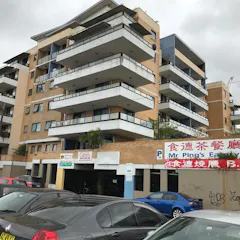
The inexorable logic of the market will create suburban concentrations of lower-income households on a scale hitherto only experienced in the legacy inner-city high-rise public housing estates.

For the first time in Australia, more higher-density housing than detached housing was being built last year. Compact cities have pros and cons, but the downsides fall more heavily on the poor.

In the push for more compact cities, don’t forget the ways apartment living is different. And often the downsides of these differences weigh heavily on low-income and disadvantaged households.
Top contributors
-

Associate professor in urbanism, University of Sydney
-
Professor, City Futures Research Centre, UNSW
-
Lecturer, Real Estate and Property Development, Griffith University
-
Senior Lecturer in City Planning, UNSW
-
Professor, City Futures Research Centre, Faculty of the Built Environment, UNSW
-
Emeritus Professor, Urban Planning and Policy, University of Sydney
-
Professor, Centre for Urban Research, School of Global, Urban and Social Studies, RMIT University
-
Professor Spatial Transformation, Hanze University of Applied Sciences, Groningen
-
Research Fellow, Centre for Urban Research, RMIT University
-
Associate Professor in Urban and Regional Planning, University of Sydney
-
Associate Professor in Urban Planning, The University of Queensland
-
Lecturer in GIS and Planning, Griffith University
-
Associate Professor of Sustainability Science, University of Nottingham
-
Professor of Urban Policy and Director, Urban Futures Enabling Impact Platform, RMIT University
-
Professor in Urban Geography, Macquarie University