

It’s easy to worry about eating too many trans fats. But you don’t have to turn into a chef overnight to lower your intake.
Articles on Unsaturated fat
Displaying all articles

Despite calls from some corners to switch from canola oil and corn oil to beef tallow, the move is unlikely to make Americans healthier.

If you try supplements, you still need to eat a healthy diet, exercise, reduce your stress, quit smoking and get enough sleep. Even then, they may still not be enough.
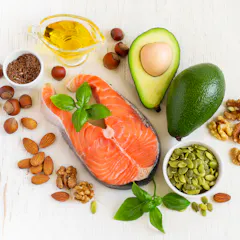
Even health authorities can’t seem to agree on dietary guidelines.

From donuts to avocados, food impacts your heart health. Here we delve into the science of how to eat – to reduce your chances of cardiovascular disease.
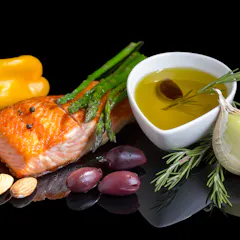
A prominent new paper reflects growing global sentiment amongst scientists and dieticians to review advice relating to the types of dietary fats we should consume for optimal health.

Saturated fats are linked to metabolic disorders and heart disease. That may be because thes fats make some cells lose track of time, causing inflammation.
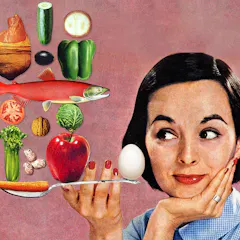
By focusing on micro- or macronutrients, most nutrition research fails to recognise the most important truth about food: diet is more than the intake of nutrients.

For decades, a low fat and sugar free diet were key to controlling type 2 diabetes. Now, new data shows a diet high in protein and healthy fats has better outcomes for the disease.

Why do chocolate makers and other food producers use unsustainably grown palm oil? You can blame health-conscious consumers looking for alternatives to trans fats.
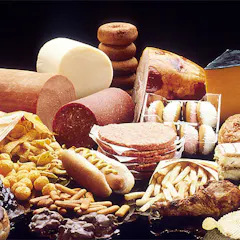
Dietary guidelines cite the fact that saturated fats can increase LDL cholesterol, which is also known as bad cholesterol because it’s a major risk factor for heart disease. Others claim saturated fats…

Earlier this week, the BMJ published an article claiming advice that saturated fat intake should be minimised to reduce heart disease is flawed. While this may sound tempting, it’s just not the case. The…
Top contributors
-

Senior Visiting Fellow, School of Medical Sciences, UNSW
-
Associate Professor of Nutrition & Dietetics and Accredited Practicing Dietitian, Adelaide University
-
Senior Principal Research Scientist in Human Nutrition, CSIRO
-
Clinical Associate Professor, University of Sydney
-
Theme Leader, Nutrition and Metabolism, South Australian Health & Medical Research Institute
-
Professor of Nutrition & Research Director for the Food and Nutrition Flagship, CSIRO
-
Professor of Food Science, Penn State
-
Clinical Instructor of Land and Food Systems, University of British Columbia
-
Professor of Neuroscience and Experimental Therapeutics, Texas A&M Health Science Center, Texas A&M University
-
Honorary Associate Professor, University of Leicester
-
Professor and Dean, School of Health and Biomedical Sciences, RMIT University
-
Adjunct Senior Research Fellow, Adelaide University
-
Accredited Practising Dietitian and Lecturer, Southern Cross University
-
Senior Lecturer, Nutrition and Food Science, Australian Catholic University
-
Professor of Community Health and Wellbeing, The University of Queensland