

Remote medical care gives privacy and no travel is necessary. What’s needed now is better access to technology. Language barriers also need to be broken down
Articles on Unsafe abortions
Displaying all articles

In the context of Nigeria’s restrictive abortion laws, promoting access to medication abortion drugs is a life saver.

Girls and young women do not search for medical safety when seeking abortion care. They prioritise “social safety” to avoid prosecution and social stigma. Can self-care be a solution?

Abortions are more often self-induced by women with drugs and dangerous substances in Nigeria due to restrictive abortion laws.

25 states aren’t expected to ban abortion if the Supreme Court overturns Roe v. Wade. But limits on abortion in these places, too, make it an uncertain refuge for people seeking abortions elsewhere.

The changes that society needs, such as preventing adolescent pregnancies, will not happen until researchers can use their findings to influence policy change.
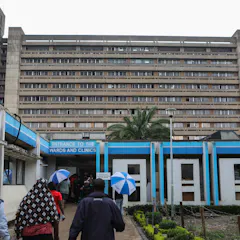
Kenya spends millions treating women who have complications after unsafe abortions.

New research on Latin America’s four recent female presidents disproves the idea that merely putting a woman in power will improve gender equality.
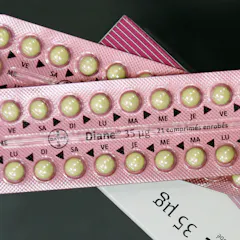
Contraception gives women the choice of how many children to have and when to have them. This empowers them - but millions of women in Kenya do not have this choice.
Top contributors
-

Associate Professor, University of Miami
-
Professor-at-large, School of Public Health, University of the Witwatersrand
-
Professor of Public Affairs and Faculty Director of the Center on Women, Gender and Public Policy, Humphrey School of Public Affairs, University of Minnesota
-
Research scientist, African Population and Health Research Center
-
Associate Professor of Politics, Occidental College
-
Policy Outreach Manager , African Population and Health Research Center
-
Associate Professor of Nursing, University of Colorado Anschutz
-
Professor of Obstetrics and Gynaecology, University of Benin
-
Research Associate, Guttmacher Institute
-
PhD Candidate, Obafemi Awolowo University
-
Research Scientist, African Population and Health Research Center
-
Research associate, University of the Western Cape
-
Senior Fellow, Guttmacher Institute
-
Research officer, African Population and Health Research Center
-
Adjunct Senior Researcher in the Division of Social and Behavioural Sciences, School of Public Health at the University of Cape Town, University of Cape Town
