

Exploring, storytelling, improvising and collaborating are part of ‘sensemaking’ that allows leaders to remain relevant in turbulent times.
Articles on University leadership
Displaying all articles

Online discourse about female victims of sexual harassment in Nigeria shows negative attitudes towards the victims.
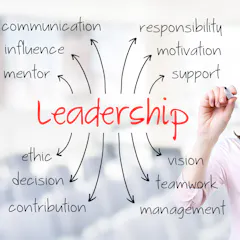
Universities are still patriarchal institutions, with men dominating senior leadership positions. Systemic mechanisms are needed to ensure all our future leaders are able to flourish.
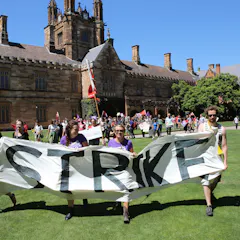
Reports of big university budget surpluses appear to undermine calls for their federal funding to increase. But a closer look at how the surpluses were achieved reveals why change is needed.

Childhood dreams of being an All Black helped give a senior academic leader the courage to adopt the humble posture of a pupil with much to learn.

Universities supposedly have adopted a more corporate approach – but most corporate board members have expertise in the area their company operates in and are more accountable to shareholders.

One criticism of traditional mentoring is that it teaches people how to succeed by playing by existing rules, thus reinforcing the status quo. But mentoring can also be a force for change.

These are challenging times for university leaders, and new research shows ‘smart bullies’ are making life even more difficult.

Australia has gone backwards in global gender parity rankings, with even universities, which should be leading the way, failing on this front. But women are now saying enough is enough.
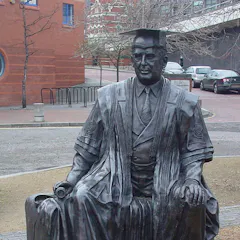
International Women’s Day is a time to take stock of what has been achieved and what remains to be done. 2020 was a massive missed opportunity to improve gender equity among university leaders.
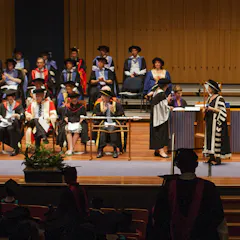
The sameness of ‘weird’ university leaderships creates well-documented risks for the sector and adds to the challenges of ensuring higher education meets future needs.

In future, universities will only survive if they can produce knowledge fast and innovate. This will require transformational leadership that gets everyone involved.
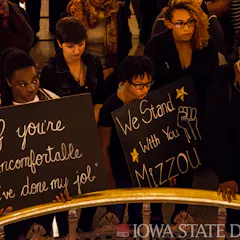
A former activist turned professor says previous student movements may have opened the door for people of color to have greater opportunity but fell short of changing the power structure.
Top contributors
-

CEO/Adjunct Professor, Victoria University
-
Professor of Health Equity, Stretton Health Equity, School of Public Health, Adelaide University
-
Senior Director Institutional Strategy
-
Professor of Cultural Economy, Adelaide University
-
Sessional Academic, School of Social Sciences, Macquarie University
-
Distinguished Professor of Accounting, Macquarie University
-
Senior Lecturer in Design, RMIT University
-
Adjunct Associate Professor, School of Human Serivces and Social Work, Griffith University
-
Associate Dean (Education), Southern Cross University
-
PhD Candidate, University of Sydney
-
Senior Lecturer, Faculty of Business, Law and Arts, Southern Cross University
-
Professor in Geochronology and Geochemistry, Southern Cross University
-
Senior Lecturer in Public Policy, Harvard Kennedy School
-
Senior Lecturer, Science and Technology Studies, University of Wollongong
-
Professor and Associate Deputy Vice Chancellor Learning Teaching and Quality, RMIT University