
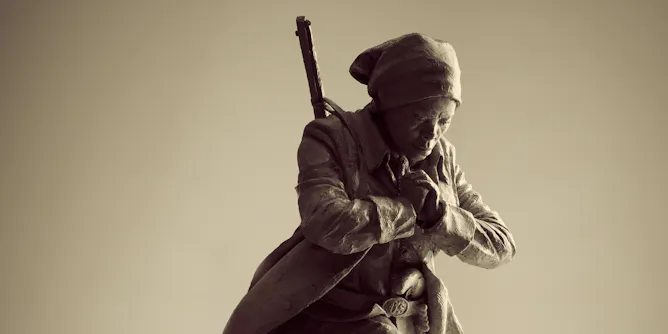
A bronze statue of Tubman is set to be installed outside Philadelphia’s City Hall in late 2026.
Articles on Underground Railroad
Displaying all articles

30 years ago, the company had grand plans to build a history-themed park in Virginia. But efforts to ‘Disneyfy’ American history met staunch opposition, even in the halcyon 1990s.
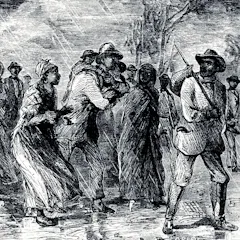
Instead of using the secret routes along the Underground Railroad to find freedom in the North, thousands of enslaved Black people fled to free Black communities in Southern slaveholding states.
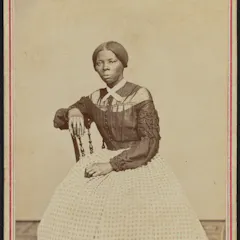
Harriet Tubman has long been known as a conductor on the Underground Railroad leading enslaved Black people to freedom. Less known is her role as a Union spy during the Civil War.

Many Americans first heard of Elizabeth City, North Carolina, when protests began after Andrew Brown Jr. was killed by sheriff’s deputies. But the city has a long history of fighting racial injustice.
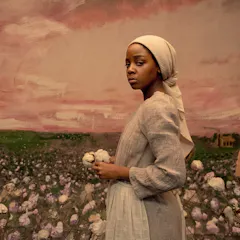
At once tender and horrific, The Underground Railroad’s use of visuals and sound beautifully portray the reality of slavery and its legacy in the US today.

Director Barry Jenkins’ delicate dance with beauty and suffering seeks to create a fuller picture of the world Black Americans – then and now – inhabit.

Although millions voted to put her face on the bill in an online poll, many still don’t know the story of her life and the role faith played in it.
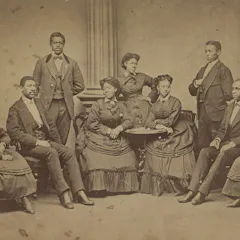
Spirituals were created out of the experience of enslaved people in the US. They weren’t songs of anger – but of an abiding belief in the victory of good over evil.
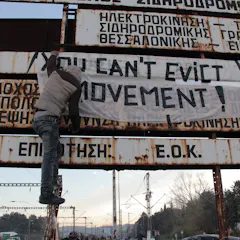
Both in 19th-century America and today, the initiative and choices of those making the journey are often ignored.
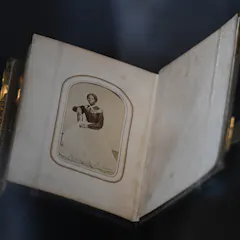
Among Tubman’s most daring feats was helping slaves escape. She believed she went into trances and had visions. These, to her, were God’s way of guiding her, which made her quite fearless.
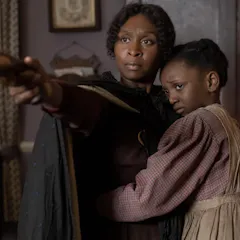
Does the new film misrepresent Harriet Tubman’s legacy as claimed by many Twitter users?
Top contributors
-

Professor and Chair of History Department, Colorado State University
-
Professor of Music, University of Dayton
-
Professor of American Studies and English, Middlebury College
-
Professor of History, Brandeis University
-
Postdoctoral researcher, Wageningen University
-
Canada Research Chair, Professor in Performance, Toronto Metropolitan University
-
Senior Lecturer in American Studies, University of East Anglia
-
Assistant Professor of History, Elizabeth City State University
-
Assistant Teaching Professor of Critical Sports Studies, University of Colorado Boulder
-
Professor of Africology and African American Studies, Temple University
-
Leader of Research Group “The Production of Knowledge on Migration” at the Institute for Migration Research and Intercultural Studies, Osnabrück University, Osnabrück University
-
Professor of Geography, Environment and Urban Studies, Temple University