

‘Ultrasonic espresso’ made with cold water and high-frequency sound waves uses less energy than the traditional version – and taste tests show it’s just as good.
Articles on Ultrasound
Displaying all articles
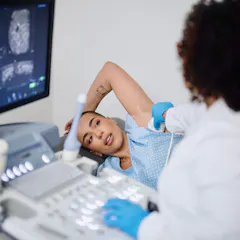
Ultrasound is often used in breast cancer screening, but it can often provide inconclusive results. Combining it with near-infrared light can help patients avoid the anxiety and cost of a biopsy.

Ultrasound is perhaps best known as an imaging technique to monitor pregnancy or disease. When these sound waves are highly concentrated, however, they can be used to treat a host of diseases.

Reassurance scans are marketed as a way to ‘give you peace of mind’ about your baby’s development. But often those doing the scans aren’t actually sonographers.

By combining ultrasound with a concept called nonlinear acoustics, you can create sound that stays silent until it reaches a specific location.
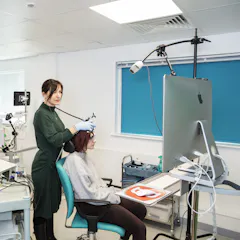
Is the future of mental health treatment ultrasound waves?
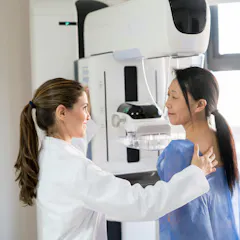
Dense breast tissue is common and normal, but it can make cancer more difficult to detect. FDA requirements going into effect in September 2024 will dictate that patients be better informed about it.

From insects to birds to bats to frogs, these little loudmouths have found ingenious ways to deliver their messages at high volume.

During the pandemic, health care providers began prescribing abortion pills without requiring in-person exams. This practice could help people access the care they need when abortion rights are in limbo.

Microphones on the seafloor recorded life under the Antarctic ice for two years – inadvertently catching seal trills and chirps that are above the range of human hearing. Could they be for navigation?

This Ig Nobel-winning research is shedding light on how ultrasound waves could be used to non-invasively control nerve impulses (and therefore ‘thoughts’) in our brains.

New treatment can break down toxic substances into relatively harmless elements.

Some treatments for neurodegenerative diseases involve inserting wires into the brain and zapping certain brain cells with electricity. But what if you could do the same thing using sound waves?

When a sound is made, it spreads. And when it hits a hard surface that is far away, it bounces back and comes back to where the sound was made. That’s what we call an echo.
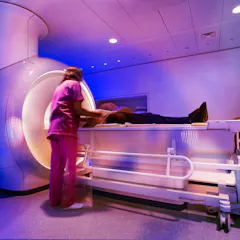
There are many different types of medical imaging and they all pick up different things.
A mystery disease that struck US personnel in Cuba and China triggered fears of a sonic weapon. But two experts argue that this is just about leveraging a medical mystery for political gain.

Were foreign diplomats and tourists attacked with a ‘sonic weapon’ – or was it something else? Ultrasound researchers demonstrate a rational, evidence-based explanation.
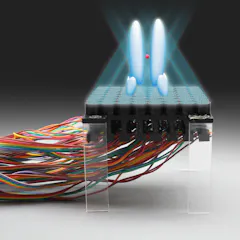
From acoustic holograms to tractor beams.
New research could into nanoparticles could help deliver drugs straight to the site of tumours and make them more effective when they get there.
Researchers have been able to see the movements of the Australian tammar wallaby in utero. Using high-resolution ultrasound…
Top contributors
-

Associate Professor in Medical Imaging, Deakin University
-
Leading Education Professional, UNSW
-
Graduate Research Assistant in Computer Science, University of Michigan
-
Lecturer, University of Glasgow
-
Professor of Radiology, School of Medicine, University of Pittsburgh
-
Associate Professor of Biological Sciences, University of Maryland, Baltimore County
-
Professor in Neuroscience, School of Psychology, University of Plymouth
-
Associate Professor of Molecular Neurobiology (Salk Institute) and Assistant Adjunct Professor of Neurobiology, University of California, San Diego
-
Senior Lecturer in Chemical Engineering, University of Surrey
-
Professor of Obstetrics, Gynecology & Reproductive Science, University of California, San Francisco
-
Australian Research Council Future Fellow (Senior Lecturer), Swinburne University of Technology
-
Associate Professor of Electrical Engineering and Computer Science, University of Michigan
-
Professor of Electrical Engineering, Zhejiang University
-
Instructor of Natural Sciences, University of Oregon
-
Professor of Engineering Science, University of Oxford