

Neuroscience provides plenty of evidence for raising the age from ten.
Articles on UK justice system
Displaying all articles

People sentenced for similar offences are more likely to offend after a short prison sentence than if they had been given a community sanction.

The wider use of pre-sentence reports could help reduce existing racial disparities in sentencing.
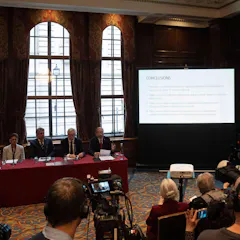
As an expert in both criminal and medical law, I am concerned with how prosecution teams gather expert evidence in these cases.
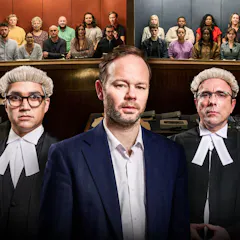
As my research into jurors and jury decision making shows, our system is far from perfect.

Private prosecutions can serve the public interest but the system needs better oversight and inspection.

The Post Office has exploited the slowness of legal and political institutions.

CCTV is a popular form of digital evidence but it can be unreliable and problematic.
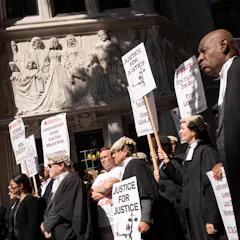
The inevitable consequence of a criminal justice system in crisis is people being wrongfully convicted. The media has a crucial role to play in monitoring the law.
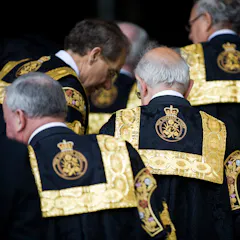
As long as the justice system relies on only retaining people who can afford to progress within the legal profession, racial and gender inequality will persist within its ranks.

Whole-life sentences are rarely handed down in the UK. Recent instances of their use point to gendered violence finally being taken more seriously.

Your social media comment may prejudice the outcome of a trial, even if you don’t intend to.

Seventy years after it was first launched, legal aid’s principles of equality are a shadow of what they once were.

Evidence from Scotland reveals the presumption against shorter sentences has shown little reduction in prison numbers.
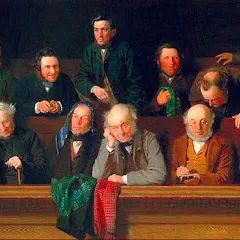
It’s not just race, gender and socioeconomic status that affect juror bias; sometimes it’s the actual way people on juries assess evidence and make decisions.
Top contributors
-

Lecturer in Psychology, Glasgow Caledonian University
-
Professor of Criminology, Durham University
-
Postdoctoral Research Fellow in Law, University of Exeter
-
Professor of Criminal Law, University of Birmingham
-
Professor of Law and Professional Ethics, University of Exeter
-
Research Fellow, University of South Wales
-
Lecturer, School of Humanities and Social Science, University of Brighton
-
Senior Lecturer, Criminal Justice, Birmingham City University
-
Senior Lecturer in Law, Cardiff University
-
Professor of Criminology, University of South Wales
-
Professor of Criminal Justice Policy, De Montfort University
-
Associate Professor in Criminal Law, University of Cambridge
-
Lecturer in Constitutional and Administrative Law, and Public Procurement, Bangor University
-
Lecturer in Law, UCL
-
Senior Lecturer in Law, Leeds Beckett University