

Unfortunately, most of us are probably more hygienic in bathrooms than we are online.
Articles on password managers
Displaying all articles
In what is colourfully termed a ‘brute force’ attack, hackers use bots to test millions of username and password combinations on different websites – until they find a match.
The advice for years has been to use password managers. But even these don’t completely eliminate the risk of being compromised.
Start 2022 by improving your password hygiene. Ideally you can use a password manager, but at the very least make sure your financial, social and work accounts each has their own strong, unique login.
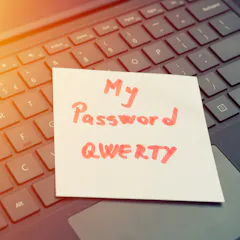
If you’re reluctant to share your password, or broadcast a team password in Slack in a groupchat, your instincts are correct. But mocking those who ‘do the wrong thing’ is unlikely to help.
One website dedicated to tracking stolen passwords suggests there are details of currently more than 10 billion compromised accounts available online.

When it comes to picking a new password, people’s resistance to change can make them less secure online.

Think defensively about your online accounts and data security – and don’t assume you’ll avoid harm.

Four important elements to consider when evaluating how safe you are online.
A roundup of research into what makes passwords secure, and options for new standards of login authentication.
Recent federal changes to password-strength guidelines echo the findings of research we’ve been doing. It’s time to think differently about what makes a password secure.
The first line of cyberdefense is having a good password. What does research say about what that actually means?
Top contributors
-

Professor of Cyber Security Practice, Edith Cowan University
-
Professor of Computer Science and of Engineering & Public Policy, Carnegie Mellon University
-
Assistant Professor of Computer Science, University of Maryland
-
Assistant Professor of Computer Science, University of Chicago
-
Associate Professor of Electrical and Computer Engineering and Computer Science, Carnegie Mellon University
-
Research Professor of Computer Science, University of Dayton
-
Professor of Computer Science, Elon University
-
Professor of Cybersecurity, Abertay University
-
Associate Research Professor of Computer Science and Engineering and Public Policy, Carnegie Mellon University
-
Associate Professor of Information Systems, Mississippi State University
-
Adjunct Senior Lecturer, Applied Ethics and CyberSecurity, Griffith University
-
Senior Lecturer, Information Technology, Murdoch University
-
Professor of Cyber Security, University of Nottingham
-
Adjunct Senior Lecturer, Edith Cowan University
-
Senior Director, Collaboration and Continuity Technologies, Duke Health, Duke University