
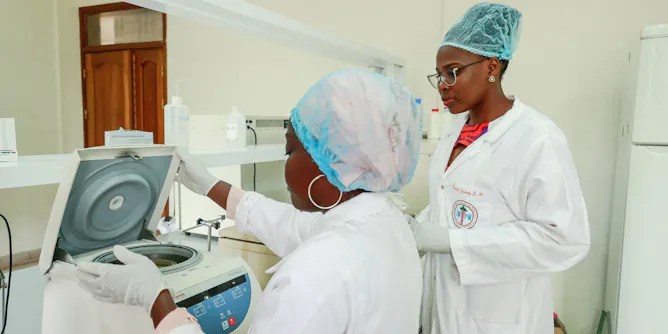
While Africa accounts for roughly 25% of the global disease burden, its people are largely invisible in randomised controlled trials.
Articles on Treatments
Displaying all articles

Health inequality is not only about who reaches a health facility. It is also about what happens once patients are inside the consultation room.
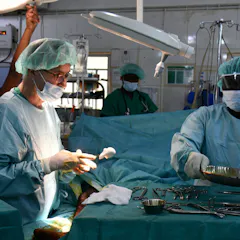
Some medical errors are unreported or even unknown to patients. Only those that result in severe complications and death are known and reported.

Many peoples throughout history used the warmth of the Sun to heal. Others used lamps or light split into different colours, which we still use today.
An 18-month treatment with lecanemab slows functional and cognitive loss by 27 per cent in people with mild Alzheimer’s disease. But this is only the first step towards a real cure.

Mainstream medicine hasn’t yet found enough evidence-based treatments for long COVID. No wonder sufferers are turning to unproven therapies.
Long COVID patients are taking desperate measures in the hope of getting better. It’s time to increase our focus on testing potential long COVID treatments in clinical trials.

We need to take an urgent look at how we manage and treat long COVID. If we don’t start planning now, the problem will only get worse.
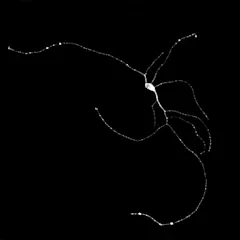
Cell cultures have shown promise in representing diseases. The Petri dish is not as different from a sick person as one might think.
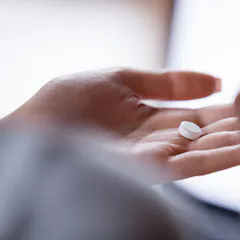
This treatment would work by targeting the SARS-CoV-2 virus itself and stopping it in its tracks. The evidence we have so far is promising, but it’s still very early days.
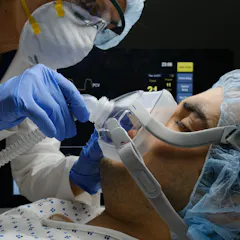
A year after it became clear that COVID-19 was becoming a pandemic, there is still no cure, but doctors have several innovative treatments. Some are keeping patients out of the hospital entirely.

Weed, though far less dangerous than many other drugs, is not entirely without risk. Some 59% of people treating pain with medical cannabis experience moderate to severe withdrawal symptoms
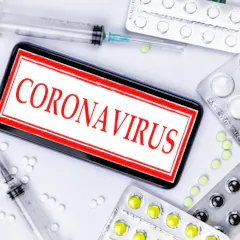
During the last six months, news reports have mentioned dozens of drugs that may be effective against the new coronavirus. Here we lay out the evidence and reveal which ones are proven to work. Or not.
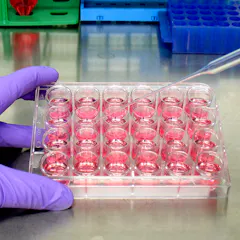
Researchers at the University of California, San Francisco, identified nine existing drugs that show promise to treat COVID-19. The proteins they target haven’t been tried before.

Professional societies of doctors, surgeons or physiotherapists are more likely to recommend against treatments provided by others, our new research shows.
Because we’re still not sure exactly what causes dementia, finding a treatment is difficult.
Top contributors
-

Conjoint Professor, School of Medicine and Public Health, University of Newcastle
-
Étudiant au doctorat en psychologie, Université du Québec à Montréal (UQAM)
-
Science Writer, Queensland Brain Institute, The University of Queensland
-
Assistant Professor of Medicine, University of Pittsburgh
-
Assistant Professor of Medicine, University of Pittsburgh
-
Assistant Professor of Psychiatry, University of Michigan
-
Professeur, Université Laval
-
Associate Professor, Respiratory Medicine, University of Cambridge
-
Professor of Orthopaedic Surgery, UNSW
-
Professor, Sydney School of Public Health, University of Sydney
-
Associate Professor, Physiotherapy, University of Sydney
-
Professor and Director of Quantitative Biosciences Institute & Senior Investigator at the Gladstone Institutes, University of California, San Francisco
-
Université de Montréal
-
Professor of Medicine, University of Virginia
-
Professor of Obstetrics and Gynaecology, University of Benin