

Letting go of what could have been is a critical step in handling ambiguous loss.
Articles on Traumatic Brain Injury (TBI)
Displaying 21 - 40 of 69 articles
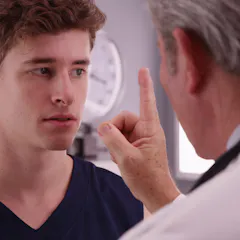
The genetic evidence behind why some people suffer longer term concussion effects is growing. But what are the ethical considerations that flow from that knowledge when it comes to sport?

Some First Nations women who sustain head injuries from family violence don’t access health care and support. We studied why and found one reason is a fear their children will be taken away.
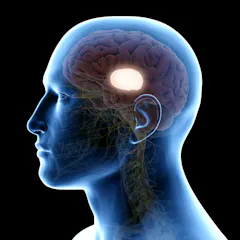
Long-term symptoms of concussion can include trouble concentrating and emotional distress.
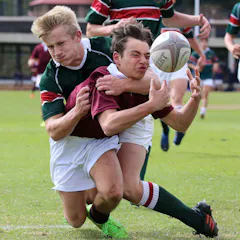
Young or old, men or women. All can be at risk of concussion while playing contact sport. Here’s what we know happens in the brain.
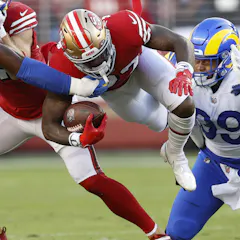
Researchers spoke to families of athletes who had suffered from traumatic brain injuries during their sporting careers.
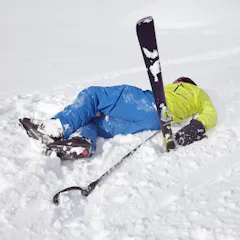
While high-profile concussions in the NFL have brought renewed attention to the gravity of head injuries, they can also occur on the playground or during junior varsity practices – with lasting effects.

Health and service workers are not asking women about a potential traumatic brain injury, there’s a lack of referral options, and often no diagnosis.

Canadian researchers are exploring unanswered questions about concussion: How to diagnose it accurately and quickly, how to predict outcomes and promote recovery, and how to prevent it altogether.
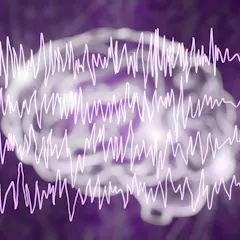
Because some seizures are relatively subtle, they can go unrecognized, leading to a delay in diagnosis.
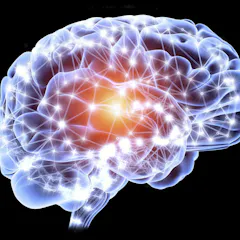
Long overlooked by scientists, white matter may provide clues to some of the brain’s greatest mysteries.
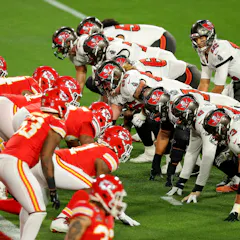
Millions of sports-related concussions occur in the US every year. Many of them happen to high school and college athletes.
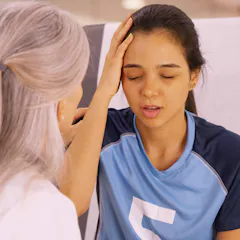
For many years, concussion treatment followed a rest-is-best approach. But research now suggests that low-to-moderate intensity exercise is a safe and useful approach to managing concussion symptoms.
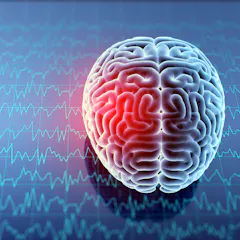
The molecule C1q has both protective and detrimental effects after traumatic brain injury. Blocking it after injury in mice restored normal brain rhythms during sleep and prevented epileptic spikes.

Although a great deal of research is still required, it may one day be possible to identify and treat people either with CTE, or at risk of it.
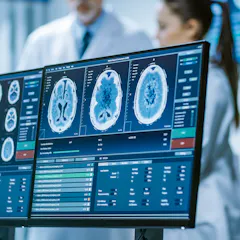
By imagining a unique scenario to answer “yes” or “no” questions, this research could potentially be used to communicate with locked-in patients.

Pecking holes in a solid wood tree trunk would give you a headache, if not serious brain damage. What special assets allow a woodpecker to do it?

Football participation among high schoolers continues to decline, as concern about brain injury increases. Could training without helmets make a difference?
When people lose their speech, they can stop working and friends can drift away. Here’s what we can do to help them get the rehabilitation they need.
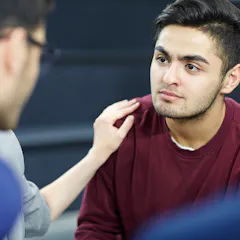
Millions of people suffer traumatic brain injuries, and many lose the ability to emotionally connect with others. A new study suggests there’s a way to help them regain their ability to connect.
Top contributors
-

ARC DECRA Fellow, Institute for Culture and Society, Western Sydney University
-
Assistant Professor, Faculty of Law, Bond University
-
Research Fellow, UNSW
-
Bjorn Borgen Professor of Mechanical Engineering and Director of the Center for Traumatic Brain Injury, University of Wisconsin-Madison
-
Adjunct Associate Professor, College of Healthcare Sciences, James Cook University
-
Professor, Electrical and Computer Engineering, McMaster University
-
Neuroscientist, The University of Queensland
-
Senior Lecturer in Sport and Fitness, The Open University
-
Vice Chair, Department of Neurology, University of Florida
-
Professor of Human Development and Family Studies, Colorado State University
-
Professor, Faculty of Kinesiology & Health Studies, University of Regina
-
Lecturer in Psychology, University of Salford
-
Professor, Clinical & Health Psychology and Neurology, University of Florida
-
Assistant Professor, Clinician Scientist (Physiotherapist), Faculty of Kinesiology, University of Calgary
-
Emeritus Professor in Public Health, University of Sydney