
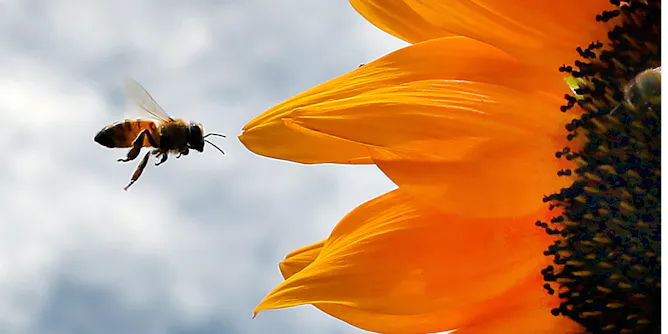
Inert ingredients are added for purposes other than killing pests and are not required under federal law to be tested for safety or identified on pesticide labels.
Articles on Toxicity
Displaying 21 - 40 of 53 articles
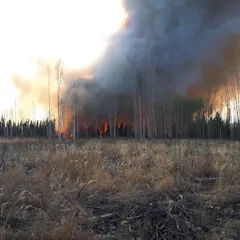
Peatlands safely store hundreds to thousands of years’ worth of humanity’s toxic legacy but climate change and physical disturbances are putting these pollution vaults, and us, at risk.

Quaternary ammonium compounds, also known as QACs or quats, are commonly used antimicrobials also found in many household products. Soap and water may be a safer bet when cleaning surfaces.

Many marine animals, birds and fish are ingesting plastic. New research identifies the first named health effect from it.

A wave of infrastructure projects is coming as federal funds pour in. Cities and everyone in them needs to know the risks from the cheapest, most popular repair method and how to avoid harm.
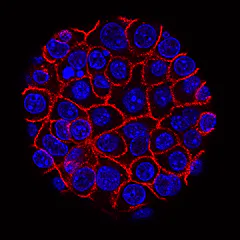
Many tumors have cancer stem cells that help them grow and evade treatments. Differentiation therapy forces these cells to mature, stopping growth with less toxicity than traditional treatments.
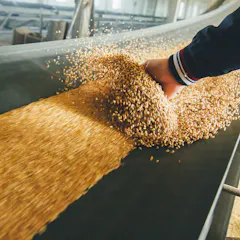
Wheat is an important global crop, but new research suggests that fungal toxins have contaminated half of all European wheat produced for food.
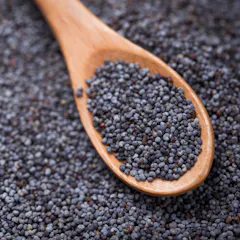
Affected poppy seeds made into a tea have led to seizures and cardiac arrests.
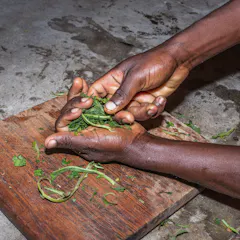
It is important that herbal medicine be checked for its safety, its potential to treat particular ailments, and to ascertain its chemical components.
They’re calling for advice before using bleach or disinfectant. Or they’re calling to ask about side-effects after gargling, spraying or bathing in them. It’s a worry.

To stay healthy, it’s important to understand how wildfire smoke can harm your body and how to protect yourself.

New research found that smoke from the Camp Fire in Paradise, California, carried high concentrations of lead. An environmental toxicologist explains what else you’re breathing and how to stay safe.

Across the country, overdose deaths have spiked during the COVID-19 pandemic.

Hand hygiene is a critical part of the response to COVID-19. Washing hands at regular intervals during the day is essential. If water and soap are unavailable, hand sanitisers are an alternative.

You might think the more oxygen you breathe in the better. But too much oxygen can make you sick.
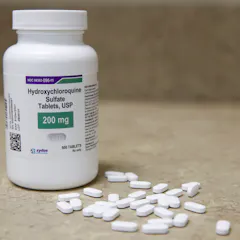
In the hope of finding a cure for COVID-19, it is easy to get lost in the hype. But chloroquine and hydroxychloroquine should for now be set aside.

When codeine became a prescription only drug in 2018, the number of overdoses dropped, our new research shows. But restricting sales of codeine is only one way to reduce harm from opioids.
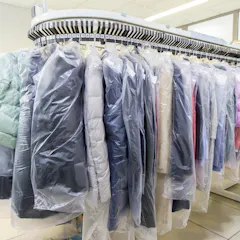
Dry cleaning isn’t really dry – it uses chemical solvents. Perc, the most common option, has contaminated soil and groundwater and poses serious health risks, but safer choices are emerging.

Approximately 10,000 people have been diagnosed with cancer due to 9/11. What support is available to this community, and is it working?
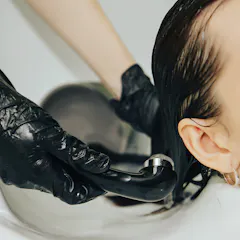
Less-toxic hair dye would be a great invention. But discounting the risks that come with nanoparticles could undermine other efforts to protect human health and environmental from their effects.
Top contributors
-

Distinguished Professor, Professor of Immunology, RMIT University
-
Assistant Professor of Environmental and Radiological Health Sciences, Colorado State University
-
Senior Lecturer in Pharmacy, NHMRC Emerging Leadership Fellow, University of Sydney
-
Vice Chancellors Senior Research Fellow in Immunology, RMIT University
-
Professor of Clinical Pharmacology, University of Sydney
-
Conjoint Associate Professor in Clinical Pharmacology and Toxicology, St Vincent’s Healthcare Clinical Campus, UNSW
-
Macquarie University
-
Vice Chancellors Postdoctoral Fellow, RMIT University
-
Professor of Advanced Technology Transitions, Arizona State University
-
Assistant Professor of Biological Sciences, Rensselaer Polytechnic Institute
-
Doctoral student in Health Promotion, Education, and Behavior, University of South Carolina
-
PhD Student, Environmental Toxicology, University of Washington
-
Professor of Veterinary Health Informatics, University of Liverpool
-
Howard Walter Mielke is a Friend of The Conversation.
Adjunct professor, retired, Tulane University
-
Research Associate, University of California, Riverside