
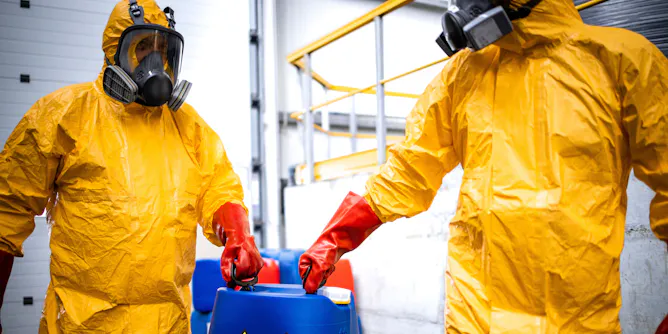
Flame retardants were developed to prevent house fires and help save lives. But they come with some serious health risks.
Articles on Toxic chemicals
Displaying 21 - 35 of 35 articles

Recently published research is showing PFAS chemicals may be even more harmful than we thought.
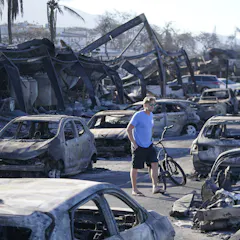
Maui County issued an ‘unsafe water’ alert and urged precautions. Residents can face several toxic hazards from fires, as an expert in the chemical risks from fires explains.

New restrictions on PFAS and other potentially hazardous chemicals in Australia present an opportunity for industry to develop alternatives for new, safe and clean products.
For decades, construction companies have used fireproofing chemicals associated with risks to human health and the environment. We need safer alternatives.
The Canadian government needs to regulate and, eventually, stop the continued release of toxic ‘forever chemicals’ into the environment and also prevent the creation of any toxic replacements.
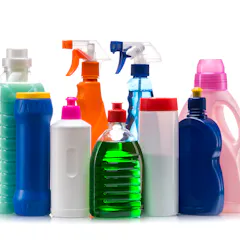
Manufacturers don’t usually have to disclose what’s in products like shampoo and household cleaners, but a new study finds that these products can contain hazardous ingredients.
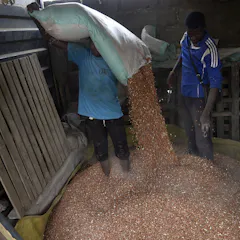
Nigerians are fond of beans but they need to preserve them without using toxic chemicals.
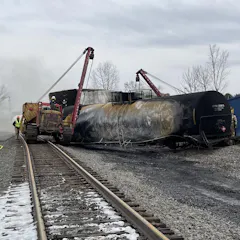
The slow release of information about the chemical spill and results of air and water tests have left many questions about the risks and long-term impact.

A wave of infrastructure projects is coming as federal funds pour in. Cities and everyone in them needs to know the risks from the cheapest, most popular repair method and how to avoid harm.

Toxic synthetic chemicals, called PFAS, are a serious threat to humans and wildlife – but many people are unaware of them.

A mass die-off of crustaceans occurred on England’s north-east coast last autumn – the government’s explanation of the cause is unlikely to be true.

Tests found PFAS in school uniforms, pillows, upholstered furniture and several other items that are often next to children’s skin and near their noses and mouths.
Most of the world’s toxic chemicals are produced by or for developed nations. But too often, the environmental and health impacts of those chemicals are hitting people in developing countries.

The higher the chemical levels found in a woman’s blood, the fewer eggs they had left in their ovaries.
Top contributors
-

Professor of Civil, Environmental and Ecological Engineering, Purdue University
-
Professor of Water Science, Liverpool John Moores University
-
PhD Candidate in Emerging Technologies Governance, Institue for Sustainable Futures, University of Technology Sydney
-
Senior Research Consultant, Institute for Sustainable Futures, University of Technology Sydney
-
Professor, Karolinska Institutet
-
Full professor, Department of Social and Preventive Medicine, Université Laval
-
Professor of Chemistry, UNSW
-
Assistant Professor, Environmental Epidemiology, Boston University
-
Visiting Scholar, Social Science Environmental Health Research Institute, Northeastern University, Northeastern University
-
Senior Post-Doctoral Researcher, University of Galway
-
Assistant Professor of Mechanical and Manufacturing Engineering, Dublin City University
-
Associate Professor, School of Sciences, RMIT University
-
Adjunct Assistant Professor of Environmental Health, Boston University
-
Professor Emerita of Biological Sciences, Rutgers University - Newark
-
Researcher, Sentinel North, Université Laval