

Generative AI models are like auto-complete on steroids. Bots learned to converse by reading text scraped from internet sites – and they’re not always accurate.
Articles on Therapy
Displaying 21 - 40 of 156 articles

Reading Joan Didion’s posthumously published new book feels like eavesdropping on private marital conversations. It’s revealing, raw and haunting.
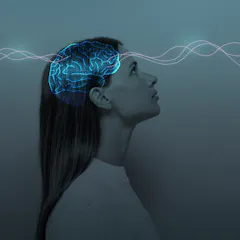
Early research on Therabot and ChatGPT shows promise for anxiety, depression and quality of life, but there are big questions about safety, access and equity.
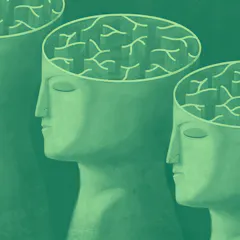
Most of us are not consciously aware of the mental blueprints that can affect our mental health and perceptions of ourselves.

Not too long ago, therapists created a wall between themselves and their patients. Have we gone too far in the other direction?

Does the growing popularity of AI therapy herald the rise of the chatbot and the demise of the talking cure?

Many families experience child-to-parent abuse, yet stigma and silence leave them without support.

For mental health professionals, exploring the role of pets in clients’ lives can offer valuable insights into their family dynamics and well-being.

Recent research shows childhood memories of emotion towards a parent may be malleable. Should psychotherapies warn clients about this potential side effect?

Politics in America have become more upsetting than ever for big chunks of the population, but there are ways to cope.

For people with dementia, memories from the distant past, including early parenthood, can be more salient that recent events.

Many peoples throughout history used the warmth of the Sun to heal. Others used lamps or light split into different colours, which we still use today.

A professor of psychiatry unpacks what to consider if you’re looking for help with physical or mental health and are considering using coaching services.
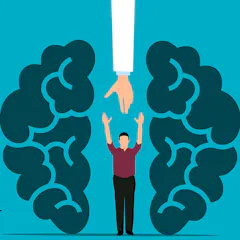
It can be difficult to know when to start therapy when a problem is ongoing. Knowing the right questions to ask yourself can help make the decision easier.

Nigeria will experience a relative increase in cancer incidence by 2040

Knowing which kind of provider to see and how to access help can be half the battle.
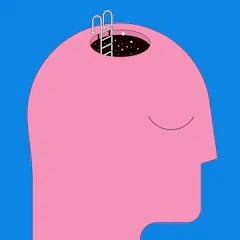
It can be difficult to know when to quit therapy when a problem is ongoing. In such cases, it can help to break the therapy down into two phases: ‘acute’ and ‘maintenance’

AI-powered mental health chatbots have the advantage of being easily accessible. However, users may overestimate their therapeutic benefits and underestimate their limitations.

Dungeons and Dragons may soon be used be psychotherapists.

Gender-affirming care assesses psychological, social, medical and surgical options for gender-diverse people.
Top contributors
-

Clinical Psychologist and Associate Professor of Psychology, La Trobe University
-
Assistant Professor (Clinical) of Occupational Therapy, Wayne State University
-
Professor of the Psychology of Religion and Theology, Boston University
-
Lecturer - Women's Health; Pharmacology, School of Biomedical Sciences, The University of Western Australia
-
Clinical Psychologist and Professor in the Department of Psychology and Neuroscience, Dalhousie University
-
Senior Lecturer in Music Therapy, University of South Wales
-
Assistant Professor in Clinical Psychology, University of Cambridge
-
Professor, School of Educational Psychology & Counselling, Monash University
-
Professor of Psychiatry, UNSW & Black Dog Institute, UNSW
-
Clinical Psychologist, University of Surrey
-
Lecturer, Manchester Metropolitan University
-
Professor of Endocrine Pharmacology, University of Exeter
-
Research associate, UNSW
-
Animal Geographer, Keele University
-
Professor of Clinical Psychology and Applied Science, Director, University of Bath and AWP NHS Trust Centre for Specialist Psychological Treatments of Anxiety and Related Problems (CSPTARP), University of Bath