
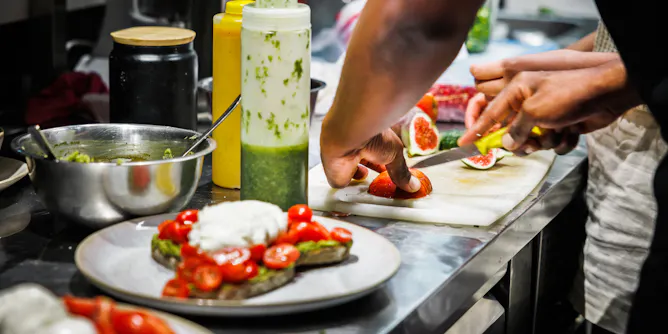
Researchers found pervasive worker underpayment in Australia, with two-thirds of temporary visa holders paid less than they were legally owed.
Articles on temporary visas
Displaying all articles
Immigration to Australia has surged since the COVID pandemic. But our research shows only about one in five become citizens within seven years.

Migrant workers who get labour claims ‘certified’ will now be allowed to stay and pursue them. But significantly, it’s not only the government that will be able to certify these claims.

Our research found Australia’s visa system continues to harm migrants once they’ve experienced exploitation. Survivors described being left destitute and desperate without access to services.

Last year, the workplace cop fined employers just $4 million for underpaying workers. The Tax Office collected $3 billion in penalties from people who didn’t pay their tax.
The recent increase in net-overseas migration has been due to policies that enabled people to remain in Australia rather than policies enabling more people to arrive.
The immigration decline over the first two years of the coronavirus pandemic led to an annual 1.1% GDP reduction, an economist estimates.

Although it has been extended by two more weeks, the decision to end the visa program is disappointing given heavy fighting continues and the humanitarian crisis worsens.
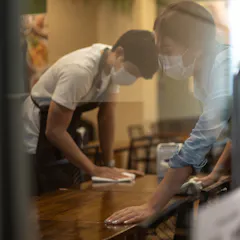
Exploitation flourishes because regulators do not routinely detect or punish labour law noncompliance.

Defining skill shortage by lists of occupations is inflexible for a rapidly changing labour market. Australia needs a different approach to organise its temporary skilled migration programs.
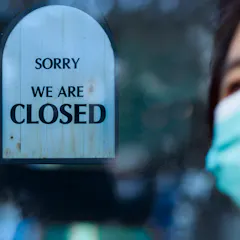
We protect the savings of non-resident people in Australia but we leave them without any benefits if they lose their job here.

The legislation before parliament discriminates against employers who take on temporary migrants, impoverishes Australian residents and will hold back the fight against coronavirus.
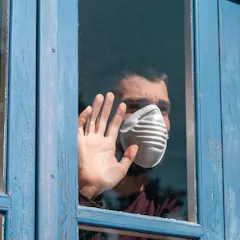
More than one-in-16 people in New Zealand is a migrant without residence status. For everyone’s sake, to contain COVID-19 we need to ensure those 300,00 people can access health and social services.

We found refugees with insecure visas had poorer mental health than refugees with secure visas. But social interaction with the wider community seems to help.
Top contributors
-

Associate Professor of Law, University of Technology Sydney
-
Associate Professor, UNSW
-
Program Director, Housing and Economic Security, Grattan Institute
-
Research Scholar of Economics, Rice University
-
Professor, Melbourne Law School, The University of Melbourne
-
Postdoctoral Research Fellow, UNSW
-
Deputy Chair, Academic Board; Dean International, Faculty of Health Sciences, and Professor of International Health, Curtin University
-
Research associate, Grattan Institute
-
Associate Professor of Migration and Director of Global Institute of Emerging Human Mobilities (GIEHM), University of Technology Sydney
-
Deputy Program Director, Migration and Labour Markets, Grattan Institute
-
Honorary Professor of Demography, Centre for Health Policy, The University of Melbourne
-
Deputy Program Director (Migration), Grattan Institute
-
Adjunct Professor, School of Psychology UNSW Sydney and Daphne Keats Chair in Cross-Cultural Psychology, University of Newcastle
-
Anti-slavery researcher and practitioner, Adelaide University
-
Professor of Geography, Director of the National Institute of Demographic and Economic Analysis, University of Waikato