
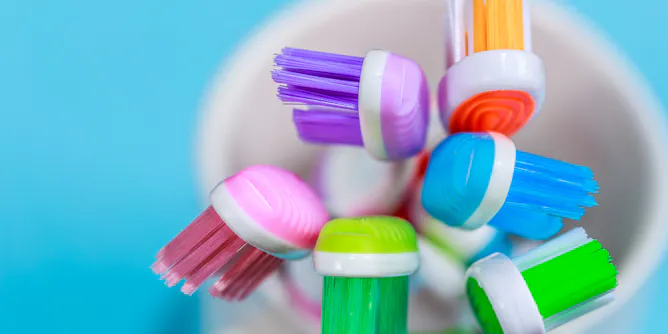
People have probably always wanted clean and healthy teeth. What they historically used to achieve dental hygiene might surprise you.
Articles on Teeth
Displaying 81 - 100 of 130 articles

Your teeth started to grow even before you were born.

Lead contamination is not just a problem for Flint, Michigan. It is an issue in many regions. One epidemiologist figured out how to measure past lead exposure using treasured biological samples.
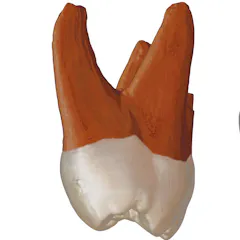
A Neanderthal tooth was discovered in Serbia. This finding helps to fill gaps in the human fossil record of this important geographical region.
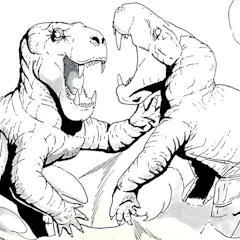
The discovery of a fossilised large predator is a rare event that offers insight into these beasts from the past.

Teeth covered in pits were common in the 2m-year-old species Paranthropus robustus.

Considering language from a biological perspective led researchers to the idea that new food processing technologies affected neolithic human beings’ jaws – and allowed new language sounds to emerge.

How do you return Aboriginal remains to their place of origin when you have no record of where they came from? Look to a chemical element that’s laid down in teeth as people grow up.
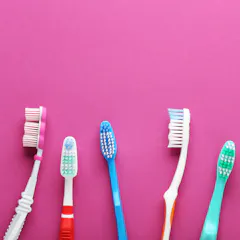
We were the first to make the connection between P. gingivalis and fully diagnosed Alzheimer’s disease. While evidence of a link is growing, it must be interpreted in context.
Male monks were not the sole producers of books throughout the Middle Ages.

You may think you know everything about keeping your teeth healthy, but what you don’t know might surprise you…
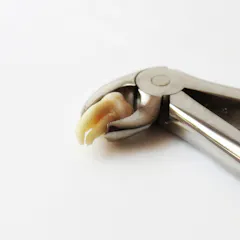
When they cause problems, wisdom teeth don’t seem very smart. But they may have been evolution’s answer to a coarse diet.

Why do Canadians have such straight white teeth? The story is in the marketing of orthodontics in Canada.

The teeth from two Neanderthal children and a relatively modern human child reveal their exposure to seasonal changes during their early life.

Despite good oral hygiene, some children have weak teeth that are more prone to decay.

The marketing of breakfast cereals may be confusing consumers with a mix of true and inflated claims.

Puppies and kittens are born without teeth, but by around two months of age they have a full set of baby teeth.
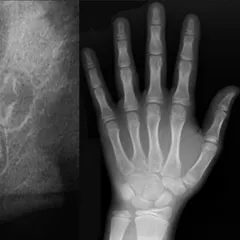
If an undocumented migrant is a minor or an adult can have far-reaching implications. A forensic anthropologist explains why relying solely on dental X-rays to determine age doesn’t work.

Why was one gene mutation that affects hair, teeth, sweat glands and breasts ubiquitous among ice age Arctic people? New research points to the advantage it provided for ancestors of Native Americans.
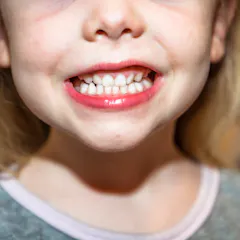
Even those who regularly clean their teeth typically don’t brush for the recommended two minutes.
Top contributors
-

Senior Lecturer and General Dentist, School of Dentistry, The University of Queensland
-
Research Fellow in Biological Anthropology, Monash University
-
Associate professor in Vertebrate Palaeontology, University of the Witwatersrand
-
Adjunct Research Associate, Monash University
-
Professor, School of Biological Sciences, Monash University
-
Associate Professor of Evolutionary Developmental Biology, University of Florida
-
Professor of Anatomy, Lancaster University
-
Postdoctoral Research Fellow, Evans EvoMorph Laboratory, Monash University
-
Professor in the Australian Research Centre for Human Evolution & Griffith Centre for Social and Cultural Research, Griffith University
-
Paediatric dentist, Associate Professor and Clinician-Scientist Fellow, MCRI and University of Melbourne, Murdoch Children's Research Institute
-
Associate Professor and Honorary Consultant in Restorative Dentistry, University of Birmingham
-
Professor, Department of History, University of Guelph
-
Professor of Paediatric Dentistry, Cardiff University
-
Professor in Geochronology and Geochemistry, Southern Cross University
-
Professor, Chair of Population Oral Health + Head of School, Melbourne Dental School, The University of Melbourne