
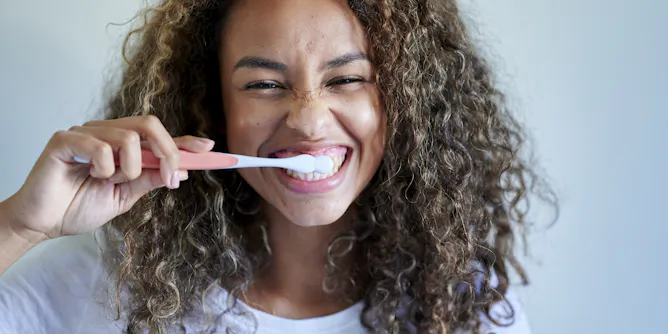
Oral hygiene is often neglected but research has shown that abnormal bacterial communities in the mouth can cause serious disease.
Articles on Teeth
Displaying 41 - 60 of 129 articles

Veneers are coverings usually made of porcelain and stuck over the top of your natural teeth. But their look needs to be balanced with their risks.
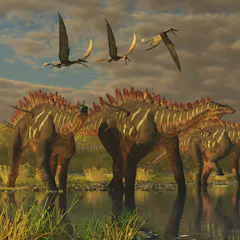
Birds and dinosaurs lived together for millions of years, but only toothless birds survived the asteroid impact that upended life on Earth.
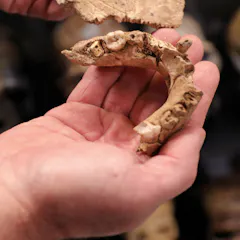
Using a new equation based on today’s primates, scientists can take a few molar teeth from an extinct fossil species and reconstruct exactly how fast their offspring grew during gestation.

Apple cider vinegar is said to help with a wide range of health issues but drinking it every day can have negative effects on your teeth.

Appalachia has one of the highest rates of oral health problems per person in the US.
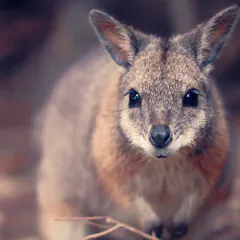
The teeth of the tammar wallaby don’t grow in the way you’d expect – and scientists want to know why.
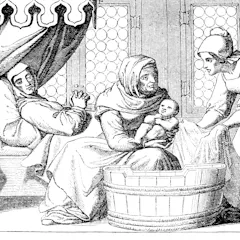
Nasty, brutish – but not necessarily short. Here’s how archaeologists know plenty of people didn’t die young.

Did you know enamel is the hardest substance in the body? And if you feel pain, it could mean there’s a problem deep inside your tooth.
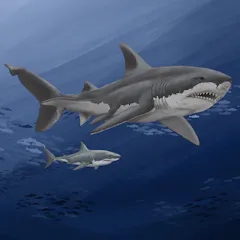
Megalodon, the world’s largest known shark species, swam the oceans long before humans existed. Its teeth are all that’s left, and they tell a story of an apex predator that vanished.
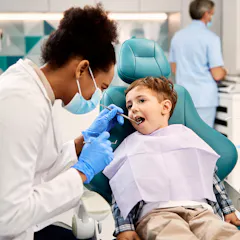
A national dental care program is welcome news, but raises several ‘billion-dollar’ questions about how the program will work and what will be covered. Here are seven principles to guide decisions.
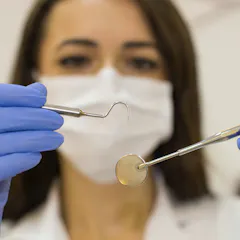
Canada’s health system does not include dental coverage, leaving a large gap in care that’s existed since its beginning. It’s time to ensure access to oral care.
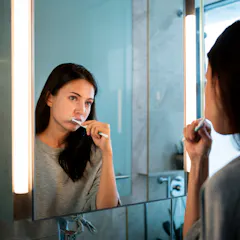
Do you brush for two minutes, with the correct type of brush and toothpaste? Did you know you’re supposed to spit, not rinse after brushing? And that brushing at the wrong time can cause damage?

Teens across millennia have yearned to explore, try new things and participate in risky behaviours. The key difference, however, seems to be the experience of a rebellion or restlessness.
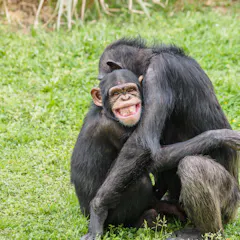
We studied 8,000 primate teeth and finally confirmed that humans are not the only living primate to suffer from cavities. But there are interesting differences.

Stress is one of the main contributing factors.
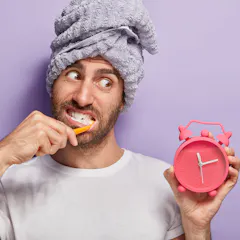
Three to four minutes may actually be ideal for plaque removal.
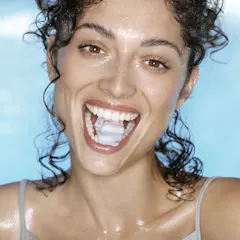
A dentist explains why this is a habit worth breaking – no matter the cause or the strength of your cravings to keep doing it.
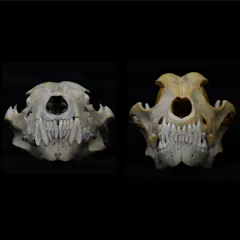
The researchers found tooth shape varied, depending on the types of food a carnivore regularly bites into – in much the same way we choose a kitchen knife depending on what we’re cutting up.
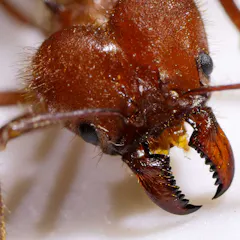
Many small animals make their teeth and claws from a smooth blend of proteins and heavy elements. These materials can form very sharp tools that make it possible to cut tough substances using tiny muscles.
Top contributors
-

Senior Lecturer and General Dentist, School of Dentistry, The University of Queensland
-
Research Fellow in Biological Anthropology, Monash University
-
Associate professor in Vertebrate Palaeontology, University of the Witwatersrand
-
Professor, School of Biological Sciences, Monash University
-
Adjunct Research Associate, Monash University
-
Postdoctoral Research Fellow, Evans EvoMorph Laboratory, Monash University
-
Associate Professor of Evolutionary Developmental Biology, University of Florida
-
Professor of Anatomy, Lancaster University
-
Professor in the Australian Research Centre for Human Evolution & Griffith Centre for Social and Cultural Research, Griffith University
-
Reader in Dental Materials, Queen Mary University of London
-
Associate Professor and Honorary Consultant in Restorative Dentistry, University of Birmingham
-
Professor of Paediatric Dentistry, Cardiff University
-
Professor, Chair of Population Oral Health + Head of School, Melbourne Dental School, The University of Melbourne
-
Professor, Department of History, University of Guelph
-
Paediatric dentist, Associate Professor and Clinician-Scientist Fellow, MCRI and University of Melbourne, Murdoch Children's Research Institute