
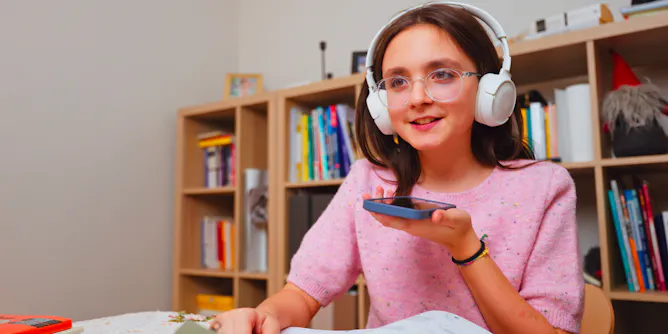
Computers break examples of human speech into small bits of sound, then put them together to sound like people do.
Articles on Talking
Displaying 1 - 20 of 23 articles
Throughout the history of the language, what has been considered ‘bad’ speech often becomes ‘proper.’ You just have to give it time.
Your hands aren’t just accessories to your words. They’re one of the most powerful tools you have to make your ideas resonate.
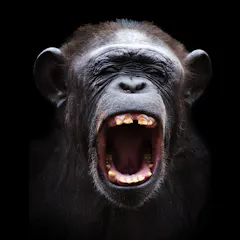
Many scientists see evidence of language in the sounds animals put together, but they may be kidding themselves.
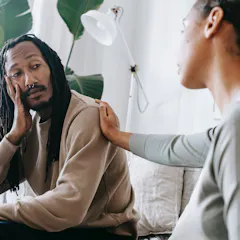
Jumping in too quickly with ‘Oh yes, that happened to me’ can end up saturating conversation and make your friend feel they were never heard in the first place.
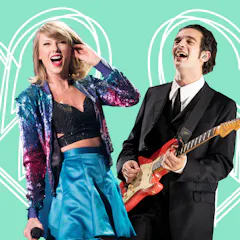
Sometimes you have to let your friends know when they’ve made a bad choice in life but there’s a way to go about it.

In-person conversations between Republicans and Democrats lasting just 15 minutes were found to lessen political animus, research shows.

If you skirt the small talk and dig a little deeper, you’ll be surprised at what you might learn.

The common advice to let the other person talk more might backfire if you want to make a positive first impression.
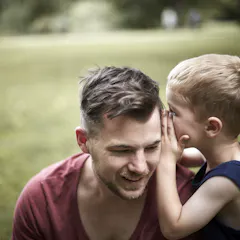
A language scientist explains that talking was never invented but has evolved over hundreds of thousands of years.
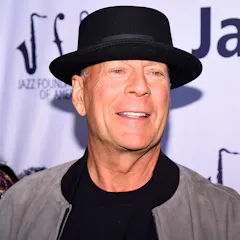
The ‘Die Hard’ actor is suffering from a communications disorder that affects 2 million Americans.

A series of experiments explored the seemingly radical idea that opening up to strangers can be deeply satisfying.
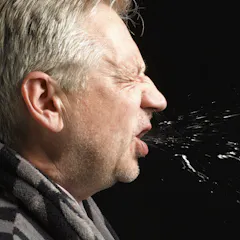
Aerosols are the tiny particles of liquid and material that float around in our environment. When they come from an infected person, they may be a significant source of coronavirus transmission.
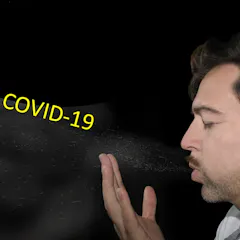
The CDC now recommends that everyone wear a face covering when they go into a public place. But there’s confusion about why and if this protects the wearer, people around them or both.
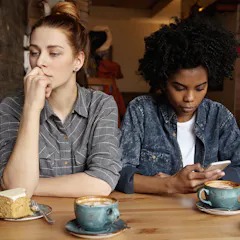
Facing up to phone interruptions.
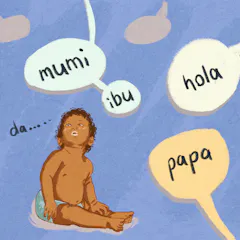
Using a sing song voice helps babies tell the difference between words like ‘mummy’ or ‘daddy’.
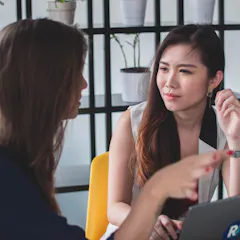
It can be hard to understand a non-native speaker of your own language. But conversation is a two-way street and linguists are figuring out how native listeners can improve their half of the interaction.
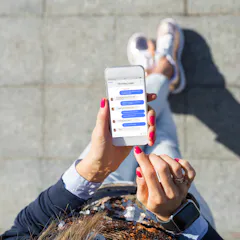
No longer do we need to talk with shop assistants, receptionists, bus drivers or even coworkers, we simply engage with a screen to communicate whatever it is we want to say.
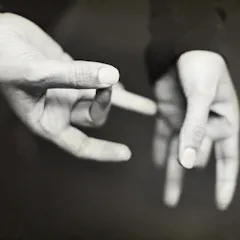
In the space of a few short years, deaf Nicaraguan school children created their own language. This example may give us a clue about how spoken language developed over thousands of years.
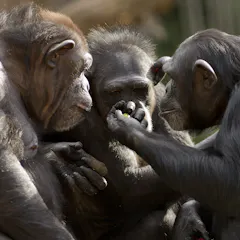
Our research supports the idea that human speech abilities comes down to our brain power.
Top contributors
-

Associate Professor of US and International History, The University of Melbourne
-
Adjunct Research Fellow, MARCS Institute BabyLab, Western Sydney University; UNSW
-
Senior Lecturer in Psychology, Manchester Metropolitan University
-
Associate Professor of Evolutionary Biology, Anglia Ruskin University
-
Assistant Professor of Marketing, University of Southern California
-
Senior Lecturer in Counselling and Psychotherapy, University of Salford
-
Senior Clinical Lecturer & Academic Director for Clinical Psychology, University of Manchester
-
Professor of Linguistics, University of Chicago
-
Associate Professor of Language Science, University of California, Irvine
-
Professor of Anthropology, The University of Texas at Austin
-
Assistant Professor of Marketing, The University of Texas at Austin
-
Professor of political science, University of Pennsylvania; Institute for Humane Studies
-
Professor of Mechanical Engineering, University of Colorado Boulder
-
Professor of Neurorehabilitation, Boston University
-
Post-Doctoral Research Fellow, Australian National University