
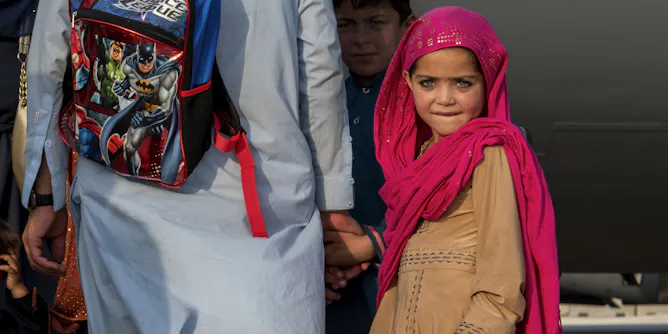
Faith-based organizations have been central partners in resettling refugees in the United States. But there are signs that support may be waning.
Articles on Taliban
Displaying 121 - 140 of 257 articles
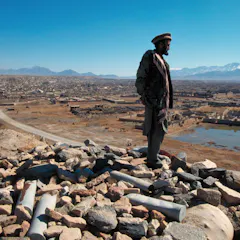
A historian explains how the Taliban emerged out of the decades of chaos that followed the Saur Revolution in Afghanistan in 1978.
Two Afghan researchers explain what led to the emergence of the Taliban in the 1990s and why that history is crucial to understand what’s happening now. Listen to The Conversation Weekly podcast.
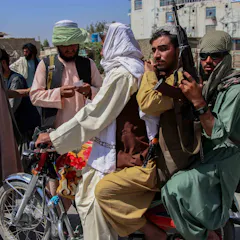
The return of the Taliban to power in Afghanistan sets the stage for a new era of terrorist growth in South-East Asia and around the world.
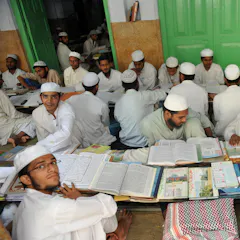
Deobandi Islam, the religious school that the Taliban draw their ideology from, was set up in 19th century India to educate Muslim youth.
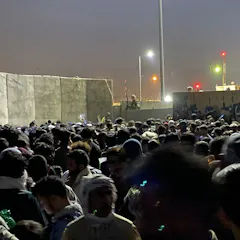
Vague promises to rescue certain groups of people are causing confusion.
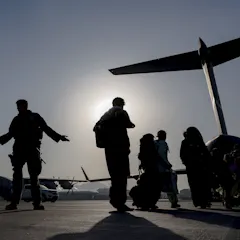
Afghanistan has been a gravy train for private security companies, but their local employees now find themselves in a dangerous no-man’s-land.
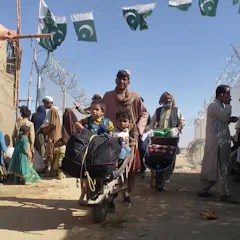
Pakistan covertly backed the Taliban in Afghanistan for years. But if the Taliban fail to ensure stability now, it could trigger another wave of refugees into Pakistan or more insurgent attacks.
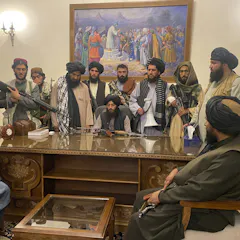
There are many different understandings of shariah law in the Muslim world – the Taliban’s is a particularly hard-line one that is unlikely to change radically.
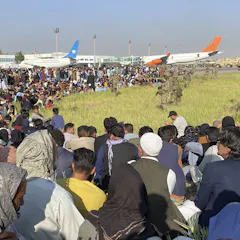
The Vietnam War was the defining issue for Joe Biden’s generation. His botched withdrawal of U.S. troops from Afghanistan could be the defining act of his presidency.
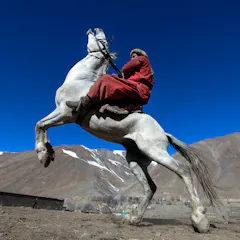
One province is holding out against Taliban rule.
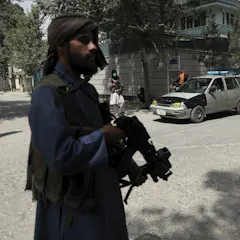
The U.S. military collected biometric data on Afghan civilians. The information may have fallen into the hands of the Taliban, highlighting why collecting the data is too risky in the first place.
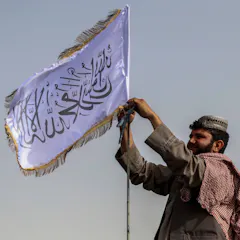
The US, Nato and the EU must support stability on the ground, even if it’s not the type of stability they wanted.
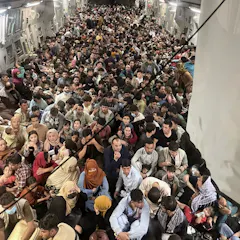
Don’t be misled by the scenes from Kabul airport. Most Afghan refugees don’t leave in an airplane and few will settle in the United States.
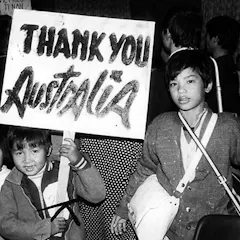
Since the 1970s, Australian immigration policy has changed dramatically, meaning Afghan refugees face far greater hurdles than those who fled Saigon after the Vietnam War.
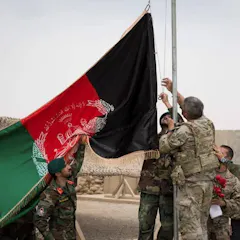
The Afghan military’s collapse was the collective result of individual soldiers making rational decisions based on what they expected their comrades to do.
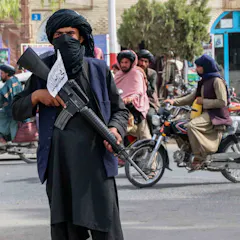
Culture change has been slow and difficult but the will to make life better for Afghan women was there. Now a big question mark hangs over their future.
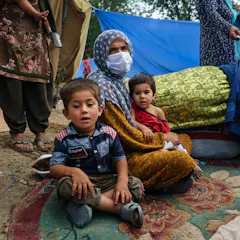
New Zealand has an ethical obligation to acknowledge its role in creating the crisis in Afghanistan and to increase its refugee intake to save as many as possible.
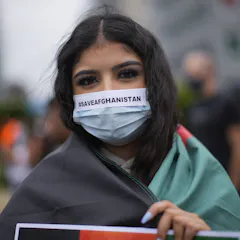
The Taliban’s recent conquest of Kabul signifies their seizure of power. This threatens the rights of girls, women and sexual minorities to freedom from harm and access to opportunities.
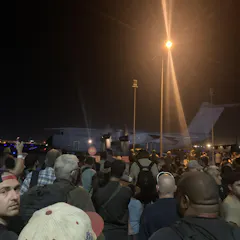
Hanif Sufizada got caught in Kabul as the Taliban took over. A scholar and resident of the US who works at the University of Nebraska in Omaha, Sufizada describes his experience trying to leave.
Top contributors
-

Visiting Research Professor, The Senator George J. Mitchell Institute for Global Peace Security and Justice, Queen's University Belfast
-
Senior Research Fellow, Initiative for Peacebuilding, The University of Melbourne
-
Professor of Anthropology, Emerita, Concordia University
-
Director, Center for Afghanistan Studies, University of Nebraska Omaha
-
Associate Professor of International Relations and Women's, Gender, and Sexuality Studies, Stanford University
-
PhD Candidate, International Relations, Australian National University
-
Non-resident Research Fellow, Graduate School of Development, University of Central Asia
-
ESRC Postdoctoral Fellow, School of Government and International Affairs, Durham University
-
Professor of International Politics, Clinton Institute, University College Dublin
-
Chair in Global Islamic Politics, Alfred Deakin Institute for Citizenship and Globalisation, Deakin University
-
Assistant Professor of Political Science, Clemson University
-
Associate Professor, Faculty of Law, Centre for Human Rights and Legal Pluralism, McGill University
-
Tony Walker AM is a Friend of The Conversation.
Director, La Trobe University
-
Researcher and sessional academic, Australian Catholic University
-
Honorary Research Fellow, University of Birmingham