
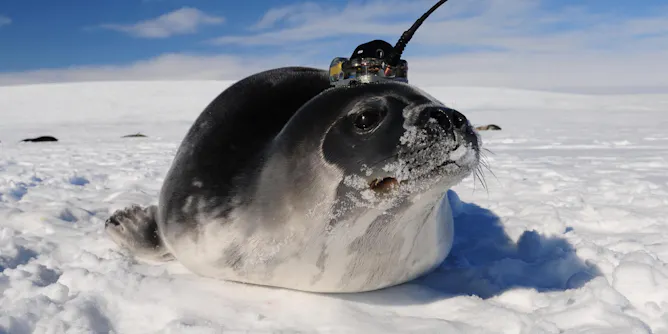
In some of the most remote places on Earth, tags attached to seals collect data at the cutting edge of ocean science.
Articles on Tagging
Displaying all articles

Deeper ocean habitats (30-150 metres) are a key feeding ground for critically endangered hawksbill turtles.

The colorful bubble letters have attracted praise and condemnation, with taggers seeing their work as a gift to the city, while others decry it as rampant vandalism.

In the last decade, some graffiti writers have moved from outlaw taggers to sought-after artists.
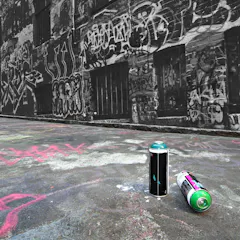
Living in cities filled with tags may make us feel less safe. But tags don’t mean crime and gangs. The real reasons people tag buildings and bridges are to show off and create community.
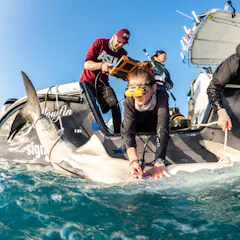
Researchers are using a newly developed satellite tag to study previously unknown aspects of tiger shark reproduction. This approach could be used on other difficult-to-study shark species.
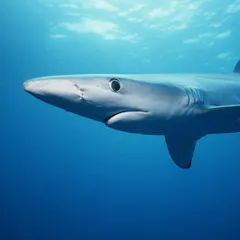
You won’t see a blue shark near the beach, but thanks to 50 years of tagging data, scientists are learning about their wide-ranging lives at sea.
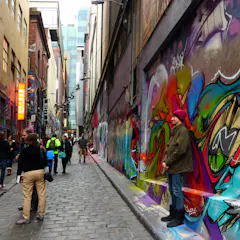
Melbourne’s street art has an international reputation and may be a very valuable tourist attraction. But the city remains ambivalent about the activities that have created its ‘laneway galleries’.
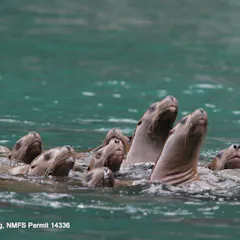
A decade ago, we set out to unravel deep ocean crime scenes we weren’t even sure existed. The crime? Endangered Steller sea lions were rapidly disappearing in parts of Alaska. Their numbers dropped by…
Top contributors
-

Lecturer in Tourism and Management, Academic Director (Education Quality and Assurance), Swinburne University of Technology
-
Associate Professor of Wildlife Ecology, Oregon State University
-
Professor of Africana Studies and Art & Design, University of Delaware
-
Associate Professor of Geography, Development & Environment, University of Arizona
-
Assistant Professor of Earth & Atmospheric Sciences, Georgia Institute of Technology
-
Ph.D. Candidate in Marine Science, Florida State University
-
Associate Professor of Marine Biology, Swansea University
-
Professor of Design History, Swinburne University of Technology
-
PhD Student in Marine Biology, Arizona State University