

ADHD isn’t just about experiencing fidgeting, distractibility, forgetfulness or restlessness; it’s also about the hidden work adults do to hide those symptoms in their everyday lives.
Articles on Symptoms
Displaying 1 - 20 of 24 articles
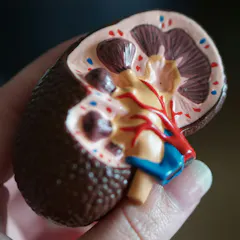
By the time you have symptoms of kidney disease, any damage is likely permanent. Here’s what we need to do instead.

Chronic venous insufficiency is a disease of the veins, where blood doesn’t flow as well as it should from the legs up to the heart.

People should minimise contact with birds in areas affected by bird flu viruses, including farms and settings where live animals may be sold or slaughtered.
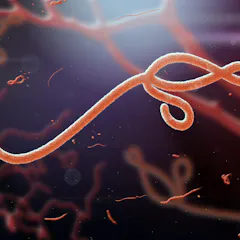
Ebola is a highly transmissible disease but its spread can be prevented through behavioural measures.
Psychosocial and economic stressors can affect health, but neither our doctors nor our health-care system have the tools to integrate these factors into diagnoses or care. Play offers an alternative.

There are currently no effective tests to screen for ovarian cancer. But that doesn’t mean there aren’t ways to recognize and prevent it.
Whether you’ve tested positive on a PCR or a rapid antigen test, here are a GP’s tips of how to manage your condition.
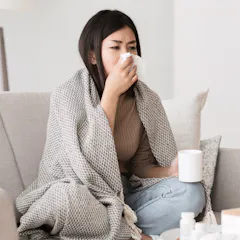
Data from the UK, where the Delta variant is dominant, suggest many people with COVID-19 are experiencing cold-like symptoms such as a runny nose and a sore throat.

Vaccinated people can still get infected with the coronavirus. So if you have symptoms of COVID-19, getting tested can protect others and help health officials keep an eye on the virus.
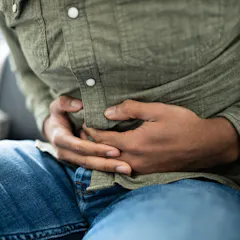
Stomach pains are a rare symptom of COVID-19 and are much more likely to be caused by something else.

Some skin symptoms appear soon after infection, while others arise later or in more severe disease. Most get better with time.

Many people are reporting persistent symptoms like headaches and shortness of breath after two months or more since being infected.
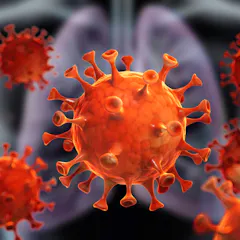
Tried to avoid coronavirus news in recent months? Here’s what you’ve missed while you’ve been away.

There is abundant evidence that a sudden loss of smell is related to COVID-19.

Your body can be infected and fight off SARS-CoV-2 without your ever noticing.
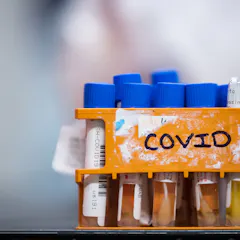
With offices shut down, people staying at home and hospitals bracing for an influx of patients, many people are unsure of what’s safe and what’s not.

Fighting off infection comes with predictable psychological and behavioral features. Now researchers suggest an emotion coordinates this response to help you get better. They call it ‘lassitude.’

From black coffee to a hair of the dog – here’s the science behind popular hangover remedies.
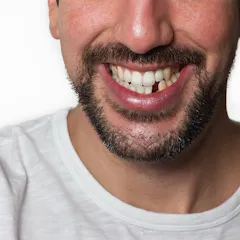
Creased earlobes, loose teeth and clubbed finger nails – some of the less obvious signs of heart disease.
Top contributors
-

Lecturer in Health Psychology, University of Bath
-
Lecturer in Psychological Science, University of Bristol
-
PhD Candidate, UCL
-
Senior Lecturer in Psychology, Nottingham Trent University
-
Professor of Anatomy, Lancaster University
-
Honorary Research Fellow, Macquarie University
-
Professor of Obstetrics and Gynecology, School of Medicine, University of Washington
-
Conjoint Professor, School of Medicine and Public Health, University of Newcastle
-
Senior Research Fellow, Biosciences, University of Oxford
-
Associate Professor and Clinical Academic Gastroenterologist, Western Sydney University
-
Associate Professor of Medicine, Infectious Diseases Physician, Australian National University
-
Professor of Medicine, University of Virginia
-
Professor and Director, School of Public Health and Health Systems, University of Waterloo
-
Researcher, Director of Media-Health/Game-Clinic laboratory, Concordia University
-
Ph.D. Candidate in Anthropology, University of Oregon