

All 54 drownings on the Australian coast last summer occurred in locations not patrolled by professional lifeguards or volunteer surf lifesavers. That is a stark statistic.
Articles on Swimming
Displaying 41 - 60 of 138 articles

People love natural swimming spots, but it’s important to manage them well to protect both swimmers and the environment.
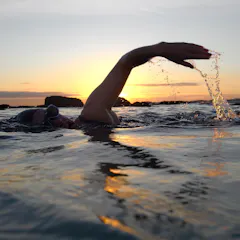
New research reveals drowning risk increases during Australian heatwaves, especially severe heatwaves. Here’s who is most at risk and what we can all do to stay safe.

An ophthalmologist explains how important tears are to keeping your eyes feeling good and working well – whether you’re on dry land or swimming in a body of water.

Rip currents are one of the great dangers of Australian beaches. We can learn a lot about avoiding and escaping this natural hazard by asking survivors what being caught in a rip is really like.
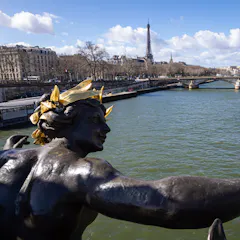
The Seine will be used for Olympic events in 2024 and remain open for public swimming, ending a century-long ban. It’s part of a global movement to make city rivers healthy and swimmable again.
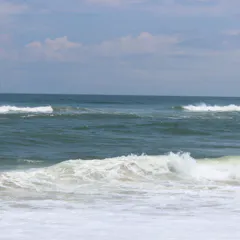
Rip currents are a leading cause of near-shore drownings, but there are effective ways to survive one. And these phenomena also play important ecological roles that are an emerging research area.

A non-fatal crocodile attack on a tourist last week made headlines. But talk of culling is an over-reaction to a fairly isolated incident.
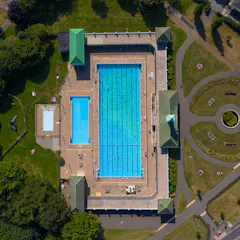
The boom of lido construction in the 20th century was part of the post war public works programme, which aimed to create jobs and promote health.
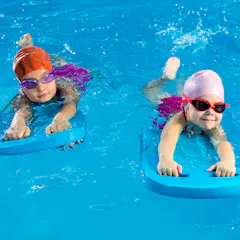
An estimated 40% of children leave primary school without being able to swim the length of an Olympic swimming pool.
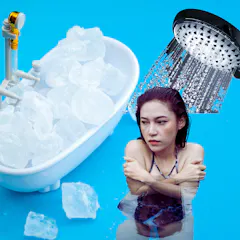
From depression to muscle soreness: what are the potential benefits of cold water therapy?
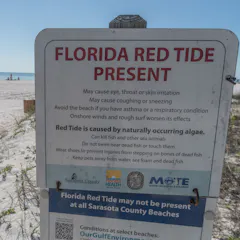
The tiny organisms that cause harmful blooms of algae can have a big impact on your trip to the shore. A toxicologist explains what causes these events and how to keep people and pets safe.
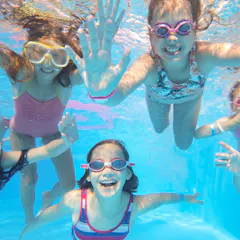
Access to swimming in the UK has been hit by COVID and the cost of living crisis and that has consequences for children and young people.

Why some now talk about ‘meaningful’ rather than fair competition in elite sport.

As well as the joy that comes with swimming, there can also be some dirty risks.
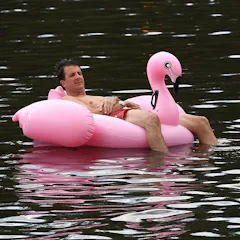
Ensuring a swimming site is safe is key to getting people using it. That means giving people timely information about water quality.
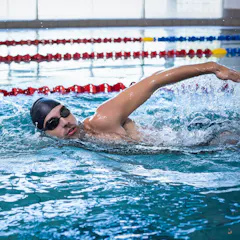
Swimming is great for both heart health and strength.
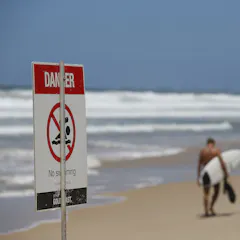
When a loved one is struggling in the water, you might want to rush in to save them. But make sure you stop and think or you could become the one in trouble.

Swimming and surfing in the ocean is fun and invigorating. But sharing the water with animals comes with risks to us and them.
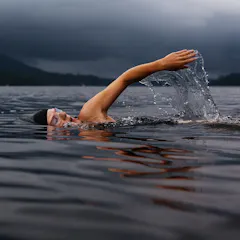
Neanderthals living in Italy swam confidently and In early Egyptian, Greek and Roman images people are shown swimming overarm. But today, only one in four people in low income countries can swim.
Top contributors
-

NHMRC Research Fellow, School of Population Health and Co-founder UNSW Beach Safety Research Group, UNSW
-
Associate Professor in Environmental Science, Western Sydney University
-
Research Fellow in Public Health, The University of Queensland
-
Senior Lecturer, School of Business, Western Sydney University
-
Senior Lecturer, Faculty of Science & Health, School of Sport, Health & Exercise Science, University of Portsmouth
-
Professor in Department of Earth and Environmental Science, and Dean of Science, University of Waterloo
-
Professor, UNSW Beach Safety Research Group, School of Biological, Earth & Environmental Sciences, UNSW
-
Professor of Human and Applied Physiology, University of Portsmouth
-
Vice Chancellor's Senior Research Fellow, RMIT University
-
Professor of Planning and Director of Urban Transformations Research Centre, Western Sydney University
-
Biomechanist (Victorian Institute of Sport), Victoria University
-
Visiting Fellow, Centre for Cultural and Creative Research, University of Canberra, University of Canberra
-
Professor of History, Institute for Humanities and Social Sciences, Australian Catholic University
-
Associate Professor of Sports Technology, Bournemouth University
-
Honorary Associate Professor of History, The University of Queensland